


Best Time to Visit Morocco: Weather and Events (Including Ramadan)
Planning a trip to Morocco? Choosing the right time to visit can make a huge difference in your experience. Morocco offers a wide variety of landscapes, from the bustling medinas of Marrakech and Fes to the sweeping dunes of the Sahara and the rugged Atlas Mountains, each influenced by distinct seasonal weather patterns. Learn more about the climate of Morocco to understand temperature ranges and rainfall across regions.
Morocco is also rich in cultural events and festivals. Timing your visit to coincide with local celebrations, or avoiding periods of extreme heat, can greatly enhance your journey. One important consideration is Ramadan in Morocco, the holy month of fasting, which affects daily life, restaurant hours, and public activities.
This guide will help you plan your visit by highlighting the best seasons for different regions, key cultural events, and practical tips to enjoy Morocco comfortably and fully immerse yourself in its unique experiences.
1. Weather in Morocco: Seasonal Overview
Morocco experiences a diverse climate due to its varied geography, which includes coastal areas, mountains, and desert regions. Understanding the weather patterns can help you choose the best time to visit for your preferred activities. You can also check the climate of Morocco for detailed information about regional temperatures and rainfall.
Spring (March to May)
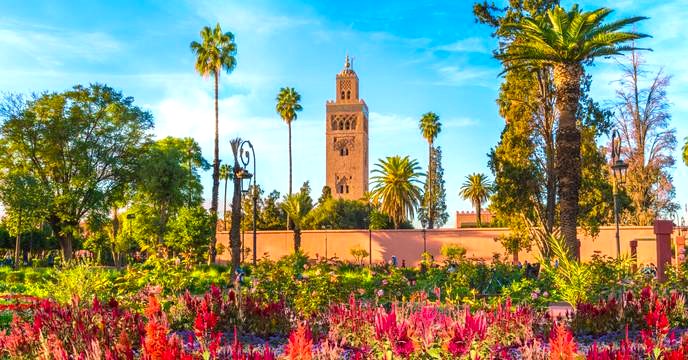
Spring is one of the best times to visit Morocco. Temperatures are mild across most regions, and the landscapes are lush and colorful after winter rains. Coastal cities like Casablanca and Essaouira enjoy comfortable weather for sightseeing, while inland cities such as Marrakech and Fes are warm but not yet unbearably hot. The Atlas Mountains may still have snow at higher altitudes, offering excellent opportunities for trekking or skiing.
Summer (June to August)
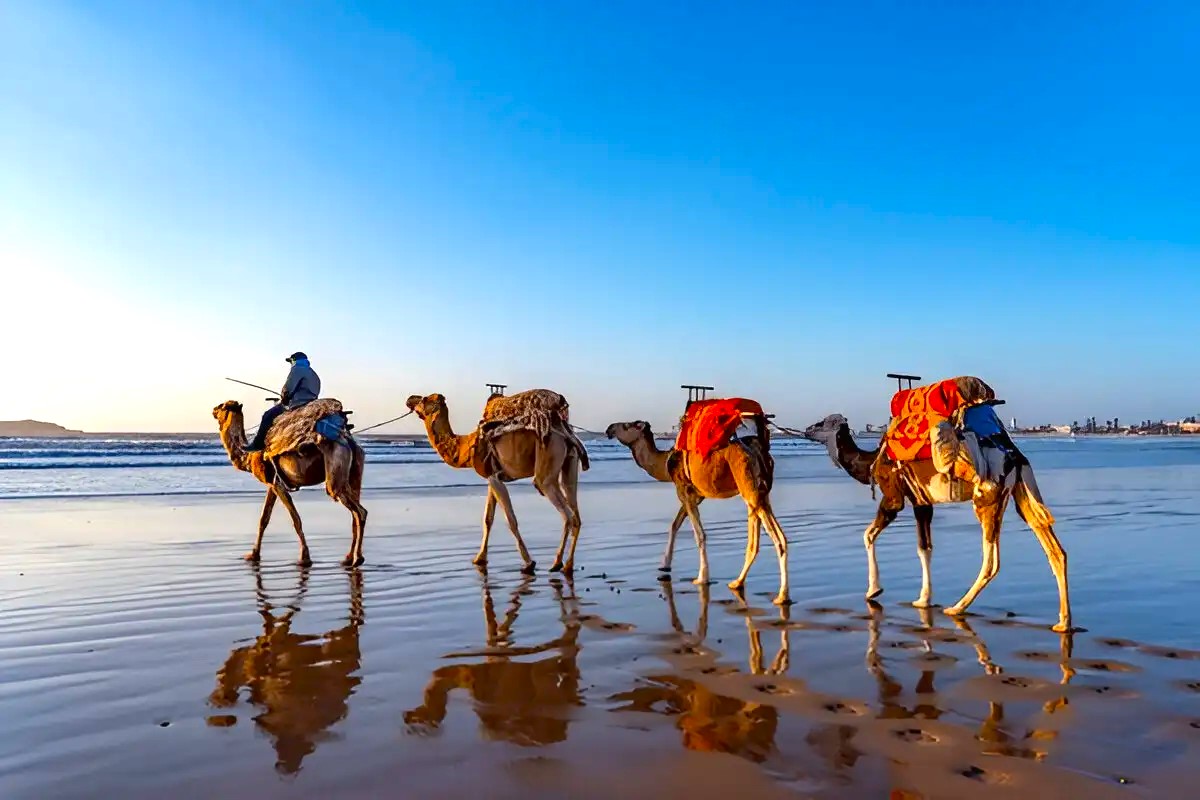
Summer in Morocco can be very hot, particularly in inland areas like Marrakech, Fes, and the Sahara Desert. Temperatures in these regions often exceed 40°C during the day, which can make outdoor activities challenging. Coastal areas, including Agadir and Essaouira, remain cooler thanks to the Atlantic breeze, making them ideal for beach trips. If you plan to explore the desert, early mornings and evenings are the best times to avoid the extreme heat.
Autumn (September to November)
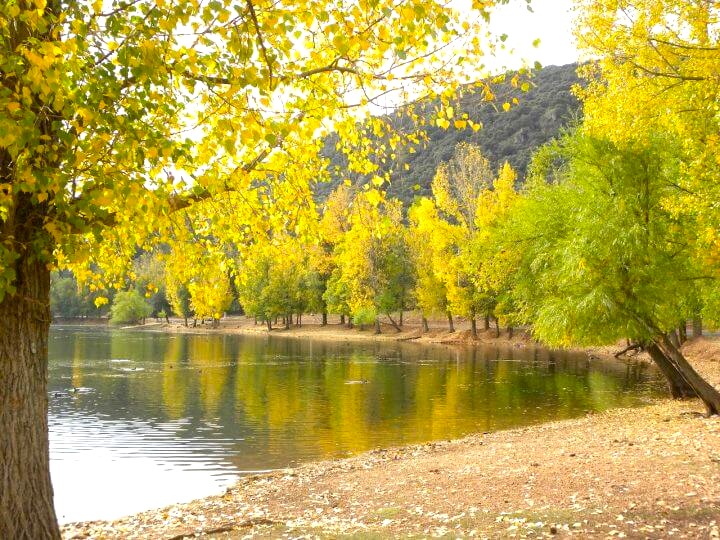
Autumn is another favorable season to visit Morocco. The temperatures are more moderate than in summer, and the summer crowds start to thin out. This period is perfect for exploring cities, trekking in the Atlas Mountains, or visiting the Sahara before the winter chill arrives. Rainfall begins to increase in November, especially in northern regions, so it’s wise to check the local forecasts before planning outdoor excursions.
Winter (December to February)
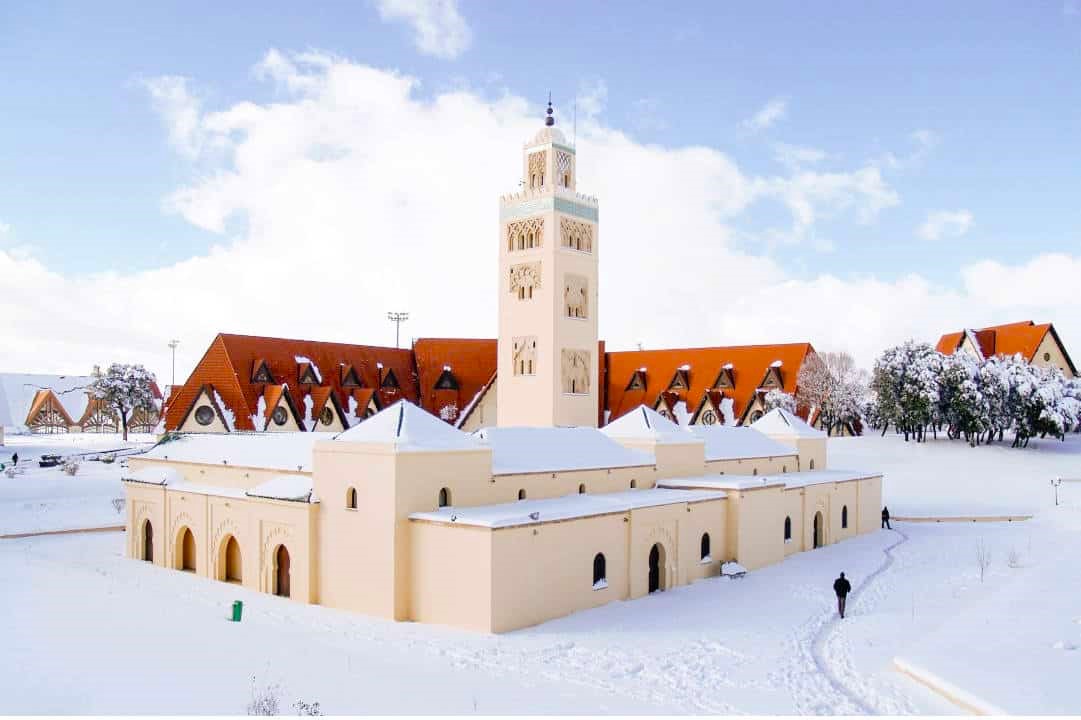
Winter in Morocco brings cooler temperatures, particularly in the mountains and inland areas. Snow is common in the Atlas Mountains, which creates excellent conditions for skiing at resorts like Oukaïmeden. Coastal cities experience milder temperatures, and southern desert regions remain relatively warm during the day, though nights can be cold. Winter is also a quieter season for tourists, offering a more peaceful travel experience.
2. Major Festivals and Events in Morocco
Morocco is a country of vibrant culture, and its festivals and events are a highlight of any visit. Timing your trip to coincide with these celebrations can provide a deeper understanding of Moroccan traditions and a unique travel experience.
2.1 Ramadan
Ramadan, the Islamic month of fasting, is observed nationwide and affects daily life across Morocco. During this period, Muslims refrain from eating and drinking from dawn to sunset. While restaurants may have limited hours during the day, evenings come alive with communal meals called Iftar, when families and communities gather to break the fast. Visiting Morocco during Ramadan offers a unique cultural experience, but travelers should plan ahead to adjust their schedules for dining and sightseeing. You can find the expected dates for Ramadan each year here.
2.2 Eid al-Fitr and Eid al-Adha
Eid al-Fitr marks the end of Ramadan and is celebrated with feasting, family gatherings, and special prayers. Eid al-Adha, also known as the Festival of Sacrifice, is another major Islamic holiday observed with traditional rituals and community meals. Both events offer travelers insight into Moroccan culture and religious practices.
2.3 Cultural and Music Festivals
Morocco hosts a variety of cultural and music festivals throughout the year. The Fes Festival of World Sacred Music is a renowned event that brings together artists from around the globe to celebrate music and spirituality. Similarly, the Marrakech International Film Festival showcases international cinema and attracts global filmmakers and audiences. Attending these festivals provides a rich cultural experience alongside sightseeing.
2.4 Seasonal Events
Other seasonal events include traditional harvest festivals, local markets, and celebrations tied to historical or religious occasions. For example, the Rose Festival in Kelaat M’Gouna in May celebrates the annual rose harvest with parades, music, and crafts, offering a colorful glimpse into Moroccan rural life.
3. Best Time to Visit by Region
Morocco’s diverse geography means that the best time to visit can vary depending on the region you plan to explore. Understanding the local climate and seasonal conditions will help you make the most of your trip.
3.1 Coastal Cities
Coastal cities such as Casablanca, Rabat, and Essaouira enjoy a mild Mediterranean and Atlantic climate. The spring months (March to May) and autumn months (September to November) are ideal for visiting, with pleasant temperatures and lower humidity. Summers can be warm, but the Atlantic breeze keeps the coast comfortable, making it perfect for beach activities and seaside exploration. More details on the climate along the Moroccan coast are available.
3.2 The Sahara Desert
The Sahara Desert offers a unique experience, but the climate requires careful planning. The best time to visit the desert is during the cooler months, from October to April, when daytime temperatures are warm but not extreme. Summer months can be extremely hot, with temperatures exceeding 40°C, making travel challenging. Nights in the desert can be chilly even in summer, so packing layers is essential. Learn more about Sahara weather conditions for travelers planning a desert adventure.
3.3 The Atlas Mountains
The Atlas Mountains are ideal for trekking, hiking, and winter sports. Spring and autumn provide mild weather for outdoor activities, while winter brings snow, creating opportunities for skiing in areas like Oukaïmeden and Michlifen. The mountain climate can vary significantly with altitude, so always check local weather forecasts before setting out. For detailed seasonal conditions, see the Atlas Mountains climate overview.
3.4 Inland Cities
Cities like Marrakech, Fes, and Meknes experience hot summers and mild winters. Spring and autumn are the most comfortable times for sightseeing and exploring the medinas, palaces, and markets without facing extreme heat. Winter is also manageable, with cooler temperatures and fewer tourists, offering a quieter experience of Morocco’s historic cities.
4. Practical Tips for Visiting Morocco
Visiting Morocco requires some preparation to ensure a comfortable and enjoyable experience. One of the most important considerations is clothing. Morocco is a predominantly Muslim country, so dressing modestly is respectful, especially when visiting religious sites and rural areas. Lightweight, breathable fabrics are recommended for hot seasons, while layers are essential for cooler nights in the desert or during winter in the Atlas Mountains.
Travelers should also pay attention to local customs during Ramadan. Many restaurants and cafes may be closed or operate only after sunset. Participating in Iftar, the evening meal to break the fast, can be a unique cultural experience, but it’s important to plan meals and sightseeing around daytime restrictions.
When packing, consider the diversity of Morocco’s landscapes. Comfortable walking shoes are essential for exploring the medinas, markets, and historical sites, while hats, sunglasses, and sunscreen are recommended for desert excursions and summer travel. For winter trips, especially in the Atlas Mountains, warm clothing and waterproof jackets are necessary for snow and rain.
It’s also useful to stay informed about seasonal weather and regional conditions. Coastal cities are mild in spring and autumn, the Sahara Desert is best visited from October to April, and the Atlas Mountains offer trekking and skiing opportunities depending on the season. Checking detailed weather information for each region, such as the climate of Morocco, can help you plan your itinerary efficiently.
By following these practical tips, travelers can navigate Morocco comfortably, respect local customs, and enjoy the country’s diverse landscapes and rich culture throughout the year.
Conclusion
Choosing the best time to visit Morocco depends on your interests, the regions you plan to explore, and your tolerance for heat or crowds. Spring and autumn offer mild weather across most regions, making them ideal for sightseeing, trekking, and cultural exploration. Summer is best suited for coastal trips, while winter provides opportunities for skiing in the Atlas Mountains and enjoying quieter inland cities.
Timing your visit around cultural events, such as Ramadan, Eid festivals, or local celebrations, can provide unique insights into Moroccan traditions. By planning according to weather patterns and seasonal activities, you can enjoy Morocco’s medinas, mountains, deserts, and beaches to the fullest.
For more information and to plan your Moroccan adventure, visit Morocco Travel Road and start your journey with confidence. By considering climate, festivals, and regional differences, you can experience Morocco at its best, making memories that will last a lifetime.
If you’re ready to plan your visit, the team at Morocco Travel Road can help you schedule your trip around Morocco’s weather, festivals, and cultural events for an unforgettable experience.
Book your Moroccan adventure at the perfect time!
Contact us and immerse yourself in Morocco’s seasonal charm and vibrant celebrations.
