

Getting Around Moroccan Cities: Walking and Taxis
Exploring Moroccan cities like Marrakech, Fes, Casablanca, and Essaouira is an adventure filled with vibrant streets, historic architecture, bustling markets, and lively squares. One of the best ways to experience these cities is by walking, which allows you to soak in the atmosphere, discover hidden alleys, and interact with locals. For longer distances or when your feet get tired, taxis provide a convenient and affordable alternative.
Navigating urban areas efficiently involves understanding the city layout, public streets, and the local transportation system. Moroccan urban transport includes pedestrian-friendly zones, road networks, and various taxi options that make it easy to move around safely and comfortably. By combining walking with short taxi rides, travelers can explore city highlights, visit markets, and enjoy cultural sites without hassle.
1. Exploring Moroccan Cities on Foot
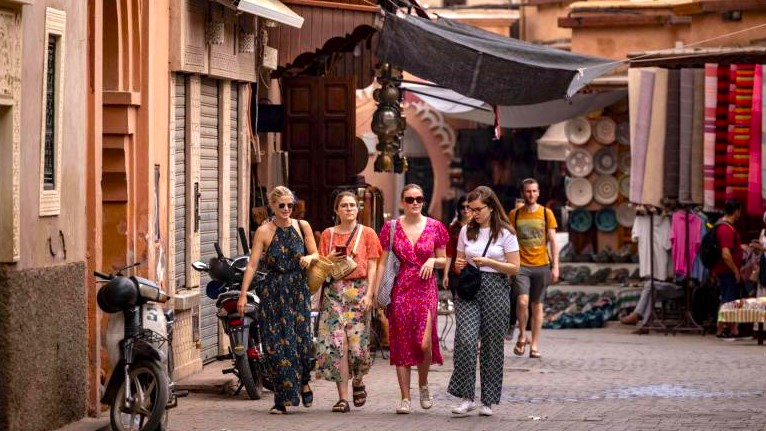
Walking is one of the most rewarding ways to explore Moroccan cities. Narrow alleys, historic medinas, bustling markets, and vibrant squares are best experienced at a slow pace, allowing you to notice architectural details, street art, and local life that might be missed when using vehicles. Cities like Marrakech, Fes, and Essaouira have pedestrian-friendly areas where walking is safe and convenient, letting travelers fully immerse themselves in the local culture.
Many attractions, such as traditional riads, souks, public gardens, and historic monuments, are clustered within walking distance, making foot travel efficient. Walking also allows you to stumble upon hidden gems, small cafés, artisan workshops, and scenic courtyards, that are not always highlighted in travel guides. Additionally, combining walking with knowledge of the city’s urban transport network ensures that longer distances can be covered efficiently when needed.
For safety and comfort, it’s advisable to wear comfortable shoes, stay hydrated, and plan routes in advance, especially in crowded areas. By exploring Moroccan cities on foot, travelers enjoy an authentic experience, connecting with the sights, sounds, and atmosphere that define each city.
2. Using Taxis in Moroccan Cities
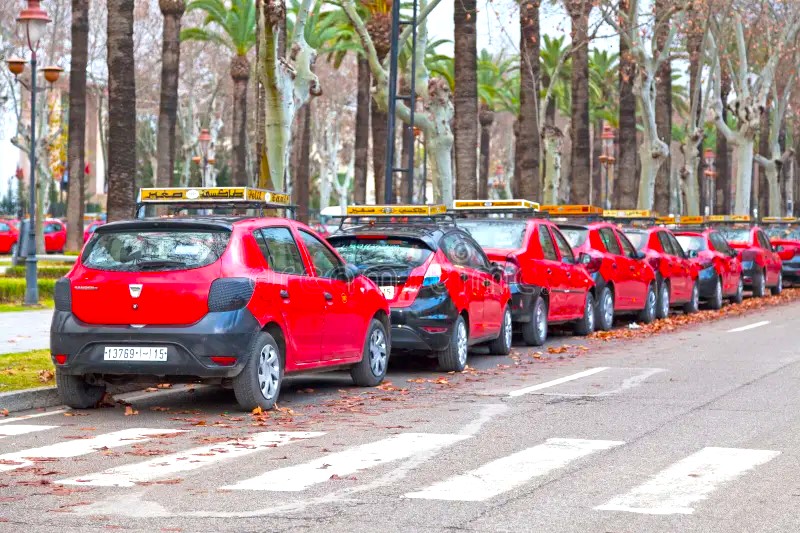
Taxis are a convenient and affordable way to navigate Moroccan cities, especially for longer distances or when you need to move quickly between neighborhoods. There are two main types: petit taxis and grand taxis. Petit taxis are small, metered vehicles designed for short trips within city limits. They are ideal for reaching medinas, markets, and tourist attractions, but it’s important to confirm that the meter is running or to agree on a fare beforehand to avoid misunderstandings. Grand taxis are larger vehicles, often shared with other passengers, and they typically operate on fixed routes between towns or across city outskirts.
Understanding how to use the city’s taxi system helps travelers navigate efficiently. Carrying small denominations of cash is essential, as drivers may not provide change for larger bills. In addition, negotiating politely is common practice when hiring a grand taxi privately or traveling beyond standard routes. By combining walking with strategic taxi use, travelers can explore Moroccan cities conveniently, covering both short urban distances and longer trips to peripheral areas while enjoying a smooth and safe experience.
3. Tips for Efficient Urban Travel in Morocco
Getting around Moroccan cities efficiently requires a combination of walking, using taxis, and understanding local traffic patterns. Planning your routes in advance helps you maximize time, especially in dense medinas where streets can be narrow and winding. Combining walking with short taxi rides allows you to cover longer distances without fatigue, making sightseeing more enjoyable.
When using taxis, it’s important to know the city’s transportation system, including metered rates for petit taxis and shared routes for grand taxis. Carrying small bills ensures smooth transactions and avoids misunderstandings with drivers. Observing local traffic etiquette, avoiding rush hours when possible, and using pedestrian-friendly streets in medinas can save time and improve safety. Travelers can also benefit from planning visits to attractions that are close to each other, minimizing the need for multiple taxi rides.
By combining walking, strategic taxi use, and knowledge of the urban transport system, you can navigate Moroccan cities efficiently, enjoy authentic experiences, and make the most of your time exploring the country’s cultural and historical treasures.
Conclusion
Getting around Moroccan cities is best experienced by combining walking and taxis. Walking allows travelers to immerse themselves in vibrant medinas, historic streets, and local markets, while taxis provide a convenient solution for longer distances, quick transfers, or carrying luggage. Understanding the city’s urban transport system, including petit and grand taxis, helps navigate efficiently, safely, and affordably.
By planning routes, carrying small bills, and knowing when to walk versus taking a taxi, travelers can explore Marrakech, Fes, Casablanca, and Essaouira with ease. Combining these transportation methods not only makes urban travel practical but also offers an authentic glimpse into Moroccan daily life. For those looking to plan their city explorations and enjoy hassle-free travel, mastering walking routes and taxi usage is key to a memorable Moroccan adventure.
If you’re ready to plan your visit, the team at Morocco Travel Road can assist with guided tours, accommodations, and tailored itineraries, ensuring a smooth and memorable excursion.
Book your Ouzoud Waterfalls adventure today !
Contact us and experience one of Morocco’s most spectacular natural wonders.