

Jebel Toubkal: Trekking North Africa’s Highest Peak in the Atlas Mountains
Standing at 4,167 meters, Jebel Toubkal is not only the tallest peak in Morocco but also the highest in all of North Africa. Located in the High Atlas Mountains, it draws adventurers from around the world seeking a combination of challenging treks, stunning landscapes, and authentic cultural encounters.
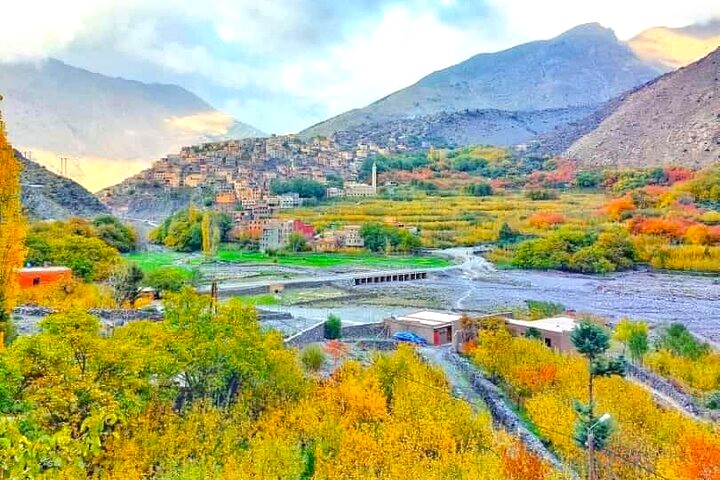
The journey to Toubkal begins in the Imlil Valley, where traditional Amazigh villages welcome trekkers with warm hospitality, aromatic mint tea, and the promise of breathtaking vistas. Each step upward reveals changing landscapes — cedar forests give way to rocky alpine terrain, and snow-capped peaks dominate the horizon, offering an unforgettable Moroccan mountain experience.
Whether you are an experienced hiker or a moderately fit traveler, trekking Jebel Toubkal promises not only adventure but also a deep connection to the Atlas Mountains’ natural and cultural heritage.
Preparing for Your Jebel Toubkal Trek – Tips, Gear, and Itinerary
Trekking Jebel Toubkal requires thoughtful preparation. While the trail is accessible to moderately fit travelers, the altitude and changing mountain weather can make the ascent challenging. Most treks begin in Imlil, a picturesque valley dotted with traditional Amazigh villages. Spending a day or two here allows your body to acclimate and gives you a glimpse into local life, from terraced fields to clay-and-stone homes.
Packing the right gear is essential. Sturdy hiking boots and layered clothing are non-negotiable, as temperatures can swing dramatically between the valley and the summit. Gloves, hats, and sunglasses protect against cold and glare at higher altitudes. Water bottles and high-energy snacks are crucial, especially if you plan to make the standard two-day ascent without stopping at a mountain refuge. For those interested in an overnight experience, staying in Toubkal Refuge offers comfort, shelter, and the chance to meet trekkers from around the world.
Hiring a local guide is highly recommended. Not only do guides ensure safety and navigation, but they also enrich your journey with insights into Amazigh culture, history, and the natural environment. Guides often know the best vantage points for sunrise and sunset views, and they help facilitate encounters with villagers along the trail. For detailed trekking tips, see our main article on Atlas Mountains Morocco, which covers preparation and sustainable travel practices in the region.
Timing your trek wisely is important. The most popular months are April to June and September to October, when snow is minimal on the trail, temperatures are moderate, and visibility is clear. Winter ascents are possible but require mountaineering experience and equipment due to snow and ice near the summit. Summer months can be hot in the valley, but the higher altitude often provides a refreshing escape from Morocco’s lowland heat.
The Trek Experience – From Imlil to the Summit
The journey to the summit of Jebel Toubkal begins in Imlil, a charming mountain village surrounded by terraced fields and orchards. As you leave the village behind, the trail winds through pine and cedar forests, offering glimpses of Amazigh homes and the daily rhythm of mountain life. The air grows crisper with each ascent, carrying the scent of wild herbs and cedar wood.
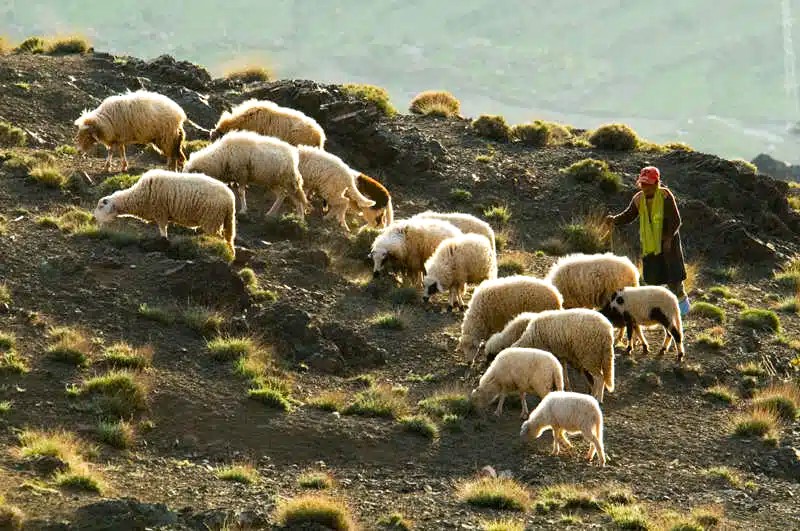
As you gain altitude, the landscape transforms dramatically. Verdant valleys give way to rocky ridges, and the distant peaks of the High Atlas reveal themselves against the horizon. Along the way, small streams and waterfalls punctuate the path, providing natural resting points and moments to pause and admire the scenery. Hikers often encounter local shepherds and their flocks, reminding travelers that the mountains are a living, working environment as well as a destination.
Many trekkers choose to spend the night at the Toubkal Refuge, a rustic mountain lodge perched near the 3,200-meter mark. The refuge offers warmth, shelter, and a communal space where climbers share stories and plans for the next day. Watching the sun set over the surrounding peaks from the refuge terrace is an experience many describe as unforgettable a moment of serenity and awe before the final push to the summit.
The last stretch to the summit is challenging but rewarding. Early morning departures allow hikers to reach the top in time for sunrise, when the mountains glow in shades of gold and pink. At 4,167 meters, the panoramic views stretch across the High Atlas, distant valleys, and even toward the Sahara on exceptionally clear days. The sense of achievement, combined with the stark beauty of the alpine environment, makes reaching the summit a highlight of any trip to Morocco.
Descent usually follows the same route, giving trekkers a chance to notice details missed on the way up, delicate wildflowers, rock formations, and the daily life of villagers continuing uninterrupted below. By the time you return to Imlil, the mountains feel both familiar and profoundly transformative, leaving memories that linger long after the trek ends.
Flora Around Jebel Toubkal
The slopes of Jebel Toubkal are rich with plant life shaped by altitude and seasons. At lower elevations, dense cedar and oak forests provide shade and shelter, interspersed with aromatic herbs such as thyme, rosemary, and wild mint. As the trail climbs, the landscape opens into alpine meadows filled with delicate wildflowers, many endemic to the High Atlas. These plants not only brighten the trekking routes but also support the traditional Amazigh herbal practices, still used in villages nestled in the mountains. The Atlas Mountains’ unique vegetation is part of the region’s remarkable flora of Morocco, recognized for its ecological and cultural significance.
Fauna Around Jebel Toubkal
The area around Jebel Toubkal hosts diverse wildlife, adapted to the high-altitude environment. In the cedar forests, hikers may encounter the Barbary macaque, North Africa’s only wild monkey species, along with foxes, wild boars, and a variety of birds including eagles and vultures. Streams and mountain valleys provide habitat for amphibians and small mammals that thrive in the alpine climate. The combination of rugged terrain and protected areas within Toubkal National Park ensures that this wildlife remains relatively undisturbed, making it a prime location for eco-conscious travelers and nature enthusiasts.
Practical Travel Tips and Safety for Toubkal Trekkers
Preparing for a trek up Jebel Toubkal requires both physical readiness and cultural awareness. The journey starts in Imlil, where travelers can acclimate to altitude and experience the rhythm of Amazigh village life before ascending the high peaks. Hiring a local guide is highly recommended, as they provide essential knowledge of the terrain, help with navigation, and share insights into mountain culture and traditions. Internal links to related topics, such as Atlas Mountains Morocco and Amazigh villages in the High Atlas, provide more context for travelers planning their journey.
Packing the right gear is essential. Layered clothing, sturdy boots, gloves, and hats protect against changing temperatures. Trekking poles can aid stability on rocky or snowy paths, while carrying enough water and high-energy snacks ensures endurance. Staying overnight at the Toubkal Refuge allows hikers to rest, socialize with other trekkers, and enjoy sunrise views over the High Atlas.
Timing the trek wisely is also important. The most popular periods are spring (April to June) and autumn (September to October), when trails are clear and weather is moderate. Winter ascents require experience and snow equipment, while summer brings warmer valley temperatures but generally cool mountain air. Following local advice and respecting village customs ensures a safe and culturally sensitive experience.
Travelers should also embrace responsible tourism. Avoid littering, respect sacred sites, support local guesthouses, and purchase crafts directly from Amazigh artisans. These practices help preserve the mountain environment while sustaining the local economy and culture.
Why Trekking Jebel Toubkal Should Be on Your Morocco Adventure List
Trekking Jebel Toubkal is more than just reaching North Africa’s highest peak. It is an immersive journey through the High Atlas Mountains, offering stunning landscapes, encounters with Amazigh villages, and the chance to experience Morocco’s natural and cultural heritage firsthand.
From the dense cedar forests and alpine meadows to the rocky high-altitude trails and panoramic summit views, every step on Toubkal provides a deeper connection with the mountains. Staying in mountain lodges like the Toubkal Refuge allows travelers to share stories, meet fellow trekkers, and appreciate the simple mountain life.
With proper preparation, respect for local customs, and awareness of environmental and cultural sustainability, trekking Toubkal is an unforgettable adventure — a perfect blend of nature, culture, and challenge. Whether you are a seasoned hiker or an adventurous traveler, Jebel Toubkal promises memories that last a lifetime.
If you’re ready to plan your visit, the team at Morocco Travel Road can assist with guided tours, accommodations, and tailored itineraries, ensuring a smooth and memorable excursion.
Book your Jebel Toubkal Trekking today!
Contact us and experience one of Morocco’s most spectacular natural wonders.