

Moroccan Traditional Caftan: A History of Beautiful Fashion
Origins of the Moroccan Caftan
The Moroccan caftan has a history that stretches back centuries, blending influences from various cultures and civilizations. Its roots can be traced to the medieval Islamic world and Andalusian traditions, which arrived in Morocco during the migration of Muslims and Jews from Spain in the 15th century. Over time, the caftan evolved into a distinctly Moroccan garment, reflecting the country’s regional diversity, social hierarchy, and artistic creativity.
Initially, caftans were worn by royalty and the elite, made from luxurious fabrics like silk and adorned with intricate embroidery. These early caftans were symbols of wealth and status, designed to impress in both appearance and craftsmanship. As the centuries passed, the caftan gradually became a part of everyday ceremonial attire, particularly for weddings, religious celebrations, and important cultural events.
Regional variations also emerged, with different cities like Fez, Marrakech, and Casablanca developing unique styles, embroidery patterns, and color schemes. Each version of the caftan tells a story of the wearer’s social standing, local traditions, and Morocco’s rich tapestry of history.
Cultural Significance of the Moroccan Caftan
The Moroccan caftan is much more than a beautiful piece of clothing; it is a cultural emblem woven into the very fabric of Moroccan life. Traditionally, caftans are worn during life’s most important celebrations, from weddings and religious festivals to family gatherings and formal ceremonies. In these moments, the caftan symbolizes elegance, respect, and the wearer’s connection to Moroccan heritage.
Colors, patterns, and embroidery on a caftan often carry symbolic meanings. For example, gold and silver threads signify wealth and prestige, while vibrant colors like red, green, and royal blue are associated with joy, vitality, and protection. Regional styles also reflect local traditions: a Fez caftan may showcase delicate, intricate embroidery, whereas a Marrakech style might favor bold patterns and vivid colors.
Beyond ceremonial occasions, the caftan represents Moroccan identity and pride. It connects generations, as artisans pass down their skills and techniques from mother to daughter, preserving a living tradition. Whether worn by a bride on her wedding day or displayed in a fashion show, the caftan remains a powerful symbol of Morocco’s artistic and cultural legacy.
Craftsmanship and Materials
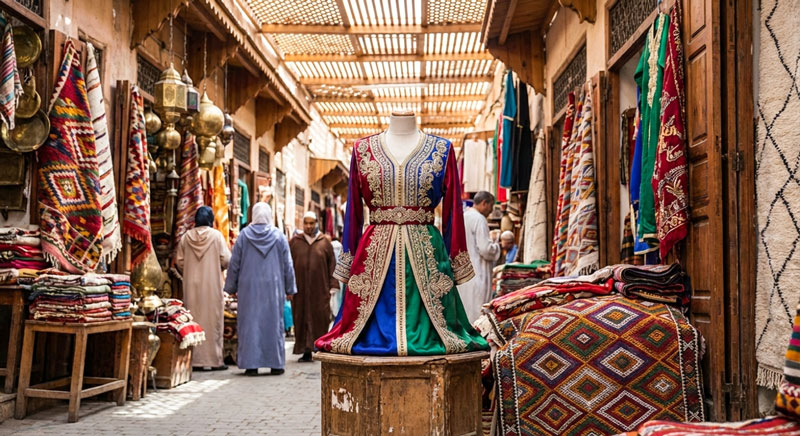
One of the most captivating aspects of the Moroccan caftan is the extraordinary craftsmanship behind each piece. Skilled artisans dedicate weeks, sometimes even months, to creating a single caftan, combining traditional techniques with meticulous attention to detail. This level of craftsmanship is what sets Moroccan caftans apart from ordinary garments.
Traditional caftans are made from luxurious fabrics such as silk, velvet, satin, and brocade, chosen for their elegance, texture, and ability to showcase intricate embroidery. The embroidery itself is an art form; delicate threads of gold, silver, or colored silk are used to create stunning patterns along the neckline, sleeves, and hem. Techniques like sfifa (braided trim) and majboud (gold thread embellishment) are signature elements of Moroccan caftan design, reflecting generations of expertise.
Each caftan tells a story through its design. Some patterns are symbolic, inspired by Moroccan architecture, nature, or geometric motifs, while others are personal, reflecting the wearer’s family traditions or social status. The result is a garment that is not only visually stunning but also rich in cultural meaning, a true masterpiece of Moroccan heritage.
Evolution in Modern Fashion
While deeply rooted in tradition, the Moroccan caftan has gracefully adapted to the modern world, evolving into a symbol of contemporary fashion while preserving its cultural essence. Today, designers blend classic craftsmanship with modern aesthetics, creating caftans that appeal to both younger generations and international audiences.
Modern Moroccan caftans often experiment with new fabrics, cuts, and embellishments, while still honoring traditional embroidery and patterns. Designers showcase these creations in fashion shows around the world, bringing Moroccan artistry to global runways and attracting celebrities, influencers, and fashion enthusiasts.
This evolution has also led to practical adaptations: lighter fabrics for summer events, minimalist designs for casual occasions, and fusion styles that combine Moroccan motifs with Western silhouettes. Despite these innovations, the caftan remains a proud symbol of Moroccan heritage, a garment that bridges the past and present, tradition and modernity, local culture and international style.
Famous Moroccan Caftans and Designers
Moroccan caftans have not only captivated local audiences but have also earned international recognition, thanks to talented designers who have elevated this traditional garment to global fashion icon status. Designers such as Fadila El Gadi, Fawziya Bouaouina, and Zhor Raïs are celebrated for their ability to blend traditional craftsmanship with contemporary style, creating caftans that resonate on both Moroccan and international stages.
These designers often draw inspiration from Morocco’s rich history, regional embroidery techniques, and luxurious fabrics, resulting in creations that are both authentic and innovative. Their work has been showcased at prestigious fashion weeks, cultural exhibitions, and even on red carpets, cementing the caftan’s reputation as a symbol of elegance and sophistication.
Celebrities and public figures have also contributed to the caftan’s global fame. From international film stars wearing Moroccan caftans at gala events to royal weddings in Morocco, these appearances highlight the caftan’s versatility and timeless beauty. Each celebrated caftan tells a story of tradition, artistry, and Morocco’s enduring influence in the world of fashion.
Join Us for an Unforgettable Moroccan Shopping Adventure!
How to Wear and Style a Caftan Today
The Moroccan caftan is no longer limited to ceremonial occasions; it has seamlessly entered modern wardrobes, offering both elegance and versatility. Today, you can wear a caftan at weddings, cultural events, formal dinners, or even upscale casual gatherings, depending on the style and fabric.
Styling tips include:
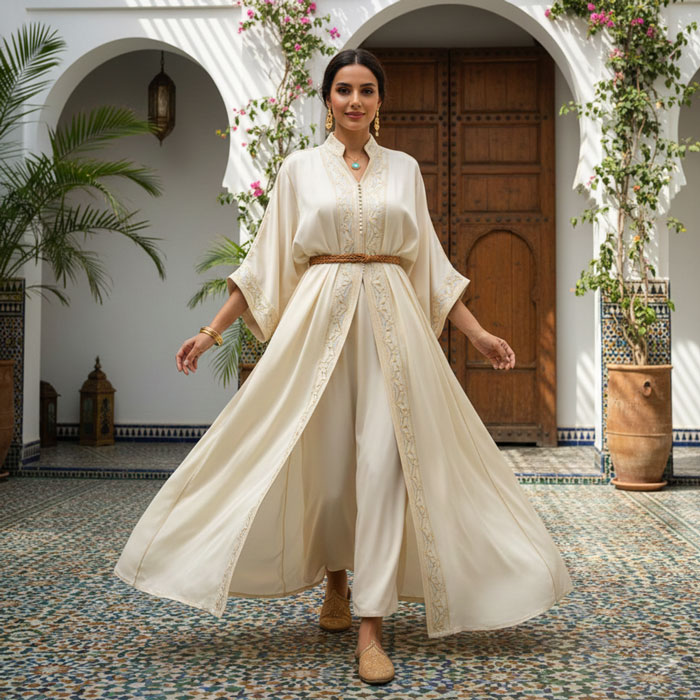
- Accessorize wisely: Pair your caftan with delicate jewelry, statement earrings, or a bold belt to accentuate the waist.
- Footwear choices: Traditional slippers (babouches) or modern heels can complement the outfit, depending on the occasion.
- Hair and makeup: Elegant updos or loose waves, along with subtle or bold makeup, can enhance the overall look.
- Mixing modern and traditional: Contemporary caftans with minimalistic cuts, lighter fabrics, or subtle embroidery are perfect for casual or semi-formal events.
For tourists or visitors to Morocco, wearing a caftan is also a unique way to connect with local culture. Many artisans and boutiques offer custom fittings, allowing you to experience the authenticity and craftsmanship firsthand. By embracing the caftan, you not only wear a beautiful garment but also carry a piece of Moroccan history and artistry.
Conclusion
The Moroccan caftan is far more than a traditional garment; it is a living testament to Morocco’s rich history, artistry, and cultural identity. From its origins in royal courts to its evolution on modern fashion runways, the caftan continues to captivate with its intricate embroidery, luxurious fabrics, and timeless elegance.
Wearing or admiring a caftan is not just about fashion; it is about experiencing a piece of Moroccan heritage, honoring the skill of generations of artisans, and celebrating the beauty of tradition in a modern world. Whether you encounter it in a bustling Moroccan souk, a wedding celebration, or on a global runway, the caftan remains a symbol of grace, culture, and creativity that transcends time.
By exploring the world of Moroccan caftans, we gain a deeper appreciation for the artistry, history, and enduring charm of this iconic fashion treasure.
