


Must-Try Moroccan Dishes: Tagine, Couscous, and More
Morocco is a paradise for food lovers. Its rich culinary traditions reflect centuries of cultural influences, blending Berber, Arab, Andalusian, and Mediterranean flavors into dishes that are as vibrant as the country itself. From hearty stews and aromatic couscous to sweet pastries and refreshing mint tea, Moroccan cuisine is a sensory journey that every traveler should experience.
Exploring Moroccan dishes offers more than just delicious flavors, it’s a way to connect with local culture, history, and traditions. Each region has its own specialties, influenced by the ingredients available, climate, and historical trade routes. This guide highlights the must-try Moroccan dishes, including tagine, couscous, pastilla, and traditional street foods, along with tips on where to find authentic flavors.
1. Tagine: Morocco’s Iconic Stew
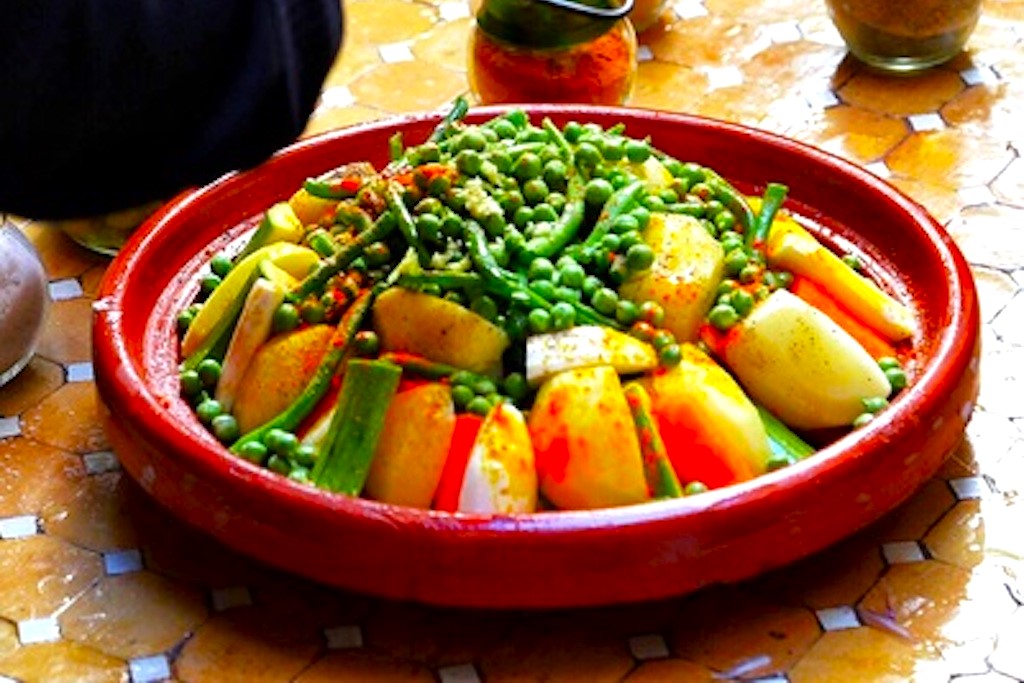
Tagine is arguably the most iconic of all Moroccan dishes. Named after the traditional clay pot in which it is slow-cooked, tagine combines meat, vegetables, dried fruits, and aromatic spices to create a rich, flavorful meal. Common varieties include lamb with prunes, chicken with preserved lemons and olives, or vegetable tagines, all simmered to perfection over low heat.
The slow-cooking method allows the ingredients to meld together, producing tender textures and deep flavors. Spices such as saffron, cinnamon, cumin, and ginger add warmth and complexity to each dish, reflecting Morocco’s centuries-long spice trade and culinary heritage. Tagine is not only a staple in homes but also a signature offering in restaurants across the country.
Visitors can enjoy tagine in cities like Marrakech and Fes, where traditional restaurants, called riad kitchens, serve it alongside freshly baked bread. For a more authentic experience, local cooking classes allow travelers to prepare their own tagine while learning about Moroccan cooking techniques and cultural traditions.
Tagine exemplifies Morocco’s ability to combine simplicity with sophistication, making it a must-try dish for anyone exploring the country’s culinary landscape.
2. Couscous: A staple Moroccan Dish
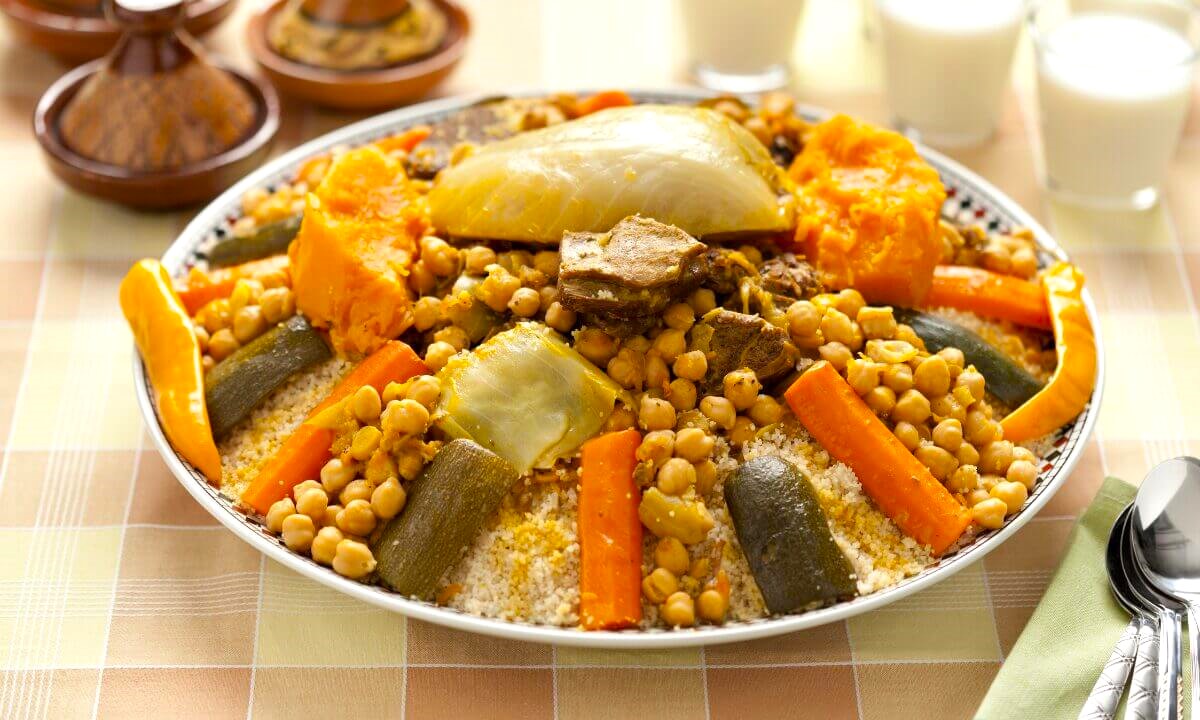
Couscous is another essential element of Moroccan dishes, known for its versatility and cultural significance. Traditionally made from steamed semolina grains, couscous is often served with a rich stew of meat, vegetables, and aromatic spices. It is a central part of family meals and festive occasions, particularly on Fridays and during religious celebrations such as Eid al-Fitr.
Couscous dishes vary by region. In northern Morocco, it may be paired with seafood, while in the interior, lamb or chicken is more common. The combination of fluffy grains and flavorful stew allows each bite to offer both texture and depth of taste. Couscous is often garnished with chickpeas, raisins, and almonds, highlighting Morocco’s love of balancing savory and sweet flavors.
For travelers, enjoying couscous in a traditional setting provides insight into Moroccan hospitality. Many riads and local restaurants serve it as part of a multi-course meal, often accompanied by refreshing Moroccan mint tea, which complements the spices and enriches the culinary experience.
Couscous is not just a dish; it is a reflection of Morocco’s history, regional diversity, and communal dining traditions, making it a must-try for anyone exploring the country’s rich gastronomy.
3. Pastilla: The Sweet and Savory Delight
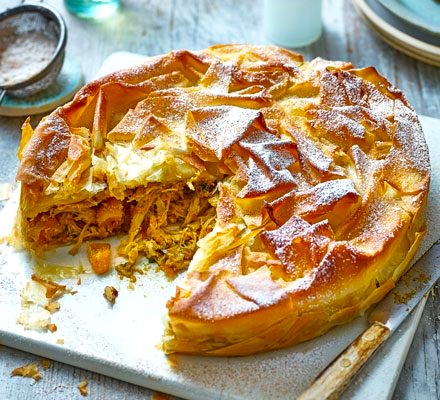
Pastilla is a unique and indulgent Moroccan dish that perfectly balances sweet and savory flavors. Traditionally made with pigeon or chicken, almonds, eggs, and a mix of spices, the filling is wrapped in thin, flaky pastry and dusted with powdered sugar and cinnamon. This combination creates a complex flavor profile that is both rich and delicate, reflecting Morocco’s diverse culinary influences, including Andalusian traditions.
Pastilla is often served during special occasions and celebrations, symbolizing hospitality and sophistication. The dish requires meticulous preparation, from slow-cooking the filling to layering the pastry just right, which is why it is highly regarded among Moroccan specialties. In cities like Fes and Marrakech, travelers can find pastilla in traditional restaurants, where chefs showcase their mastery of this intricate dish.
For adventurous eaters, tasting pastilla is an unforgettable experience. The contrast between the crispy, golden pastry and the rich, spiced filling makes each bite a celebration of Moroccan flavors. Pastilla exemplifies the country’s ability to blend complex tastes into a single, harmonious dish, making it a must-try for food lovers exploring Morocco.
4. Street Foods and Snacks: A Taste of Local Life
Exploring Moroccan dishes is not complete without experiencing the country’s vibrant street food culture. From bustling markets to quiet alleyways, street vendors offer a variety of affordable and flavorful snacks that give travelers a taste of local life. Popular options include sfenj, a Moroccan doughnut, and briouats, small pastry parcels filled with meat, cheese, or vegetables.
Other street favorites include grilled meats, fresh salads, and Moroccan-style sandwiches, often sold in medinas and souks. Enjoying these foods in the bustling atmosphere of a market allows travelers to immerse themselves in the daily rhythm of Moroccan communities while sampling authentic flavors. Pairing these snacks with traditional mint tea adds a refreshing and aromatic complement to the experience.
Street food in Morocco is more than a quick bite, it is a gateway into the country’s culinary traditions, social interactions, and regional diversity. Sampling these foods provides a dynamic and memorable way to understand the local palate, making it an essential part of any gastronomic adventure in Morocco.
5. Desserts and Sweets: Moroccan Treats
Moroccan cuisine is celebrated for its rich and flavorful desserts and sweets, which often blend nuts, honey, and aromatic spices. Classic treats such as chebakia, a sesame cookie fried and coated with honey, and almond-filled pastries are popular during celebrations like Ramadan. These delicacies reflect Morocco’s love of combining textures and flavors, offering a satisfying conclusion to any meal.
Baklava-style pastries, fruit-filled pancakes, and sweet mint-infused tea accompany these desserts in many households and traditional cafés. Moroccan sweets are often shared with family and friends, highlighting the country’s communal dining culture. Visiting local markets or patisseries allows travelers to sample fresh, handmade sweets while observing traditional preparation techniques.
Indulging in Moroccan desserts is more than a culinary treat — it’s a way to connect with Moroccan culture, history, and hospitality. Every bite tells a story of the country’s rich heritage, making sweets a must-try component of any gastronomic journey in Morocco.
6. Practical Tips for Enjoying Moroccan Cuisine
Exploring Moroccan dishes can be an exciting culinary adventure, but a few practical tips can help travelers get the most authentic and safe experience. First, trying food at local markets, street stalls, and family-run restaurants often provides the most genuine flavors. Cities like Marrakech, Fes, and Essaouira feature bustling markets where travelers can sample a variety of tagines, couscous, and pastries.
It’s also helpful to be aware of portion sizes and spices. Moroccan cuisine can be rich, sweet, or heavily spiced, so asking about ingredients or requesting milder flavors is common and welcomed. Trying regional specialties, such as seafood dishes in coastal towns or lamb tagines in the Atlas Mountains, enhances the experience.
For street food, paying attention to freshness and hygiene is important. Selecting busy stalls with high turnover ensures the food is freshly prepared. Pairing dishes with traditional Moroccan mint tea or fresh juice enhances the meal and provides a refreshing balance to the spices.
Lastly, participating in a cooking class can be a rewarding way to deepen understanding of Moroccan cuisine. Learning to prepare dishes like tagine or pastilla under the guidance of local chefs provides insight into techniques, ingredients, and cultural traditions, turning a meal into a full culinary experience.
Savor the Flavors of Morocco
Moroccan cuisine offers a vibrant and unforgettable culinary journey. From the slow-cooked richness of tagine and the fluffy comfort of couscous to the sweet and savory layers of pastilla and the lively street food culture, Moroccan dishes are a reflection of the country’s history, culture, and diversity. Exploring these dishes allows travelers to engage with Morocco in a truly immersive way, tasting the traditions and flavors that have been perfected over centuries.
Whether indulging in desserts, sampling street food, or learning to cook in a traditional kitchen, every bite tells a story of Moroccan heritage and hospitality. Food in Morocco is more than nourishment, it is an experience that connects you with the heart of the country.
If you’re ready to embark on a culinary adventure, the team at Morocco Travel Road can help you plan a gastronomic journey, from local markets and cooking classes to guided dining experiences.
Start your Moroccan food adventure today!
Contact us and savor the authentic flavors of Morocco, from tagines and couscous to sweets and street food delights.
