

Getting Around Moroccan Cities: Walking and Taxis
Visiting Moroccan souks is a sensory adventure filled with vibrant colors, aromatic spices, handcrafted goods, and the lively chatter of vendors and locals. These traditional markets, found in cities such as Marrakech, Fes, and Essaouira, are not just places to shop—they are cultural hubs where centuries-old trading traditions come alive. One of the most essential skills for any traveler in these markets is bartering, a practice that turns shopping into an engaging and interactive experience.
Navigating and shopping in Moroccan souks requires preparation, awareness, and an understanding of local customs. From carpets and ceramics to spices, leather goods, and jewelry, every stall offers unique treasures. Knowing how to approach vendors, negotiate prices respectfully, and identify quality items enhances both the shopping experience and cultural immersion.
In this guide, we will explore the art of bartering, share practical tips for negotiating with vendors, highlight common mistakes to avoid, and provide insights into how to make the most of your time in Moroccan souks. Whether you are a first-time visitor or a seasoned traveler, mastering these skills will help you navigate the markets confidently and leave with authentic Moroccan souvenirs at fair prices.
1. Understanding the Culture of Moroccan Souks
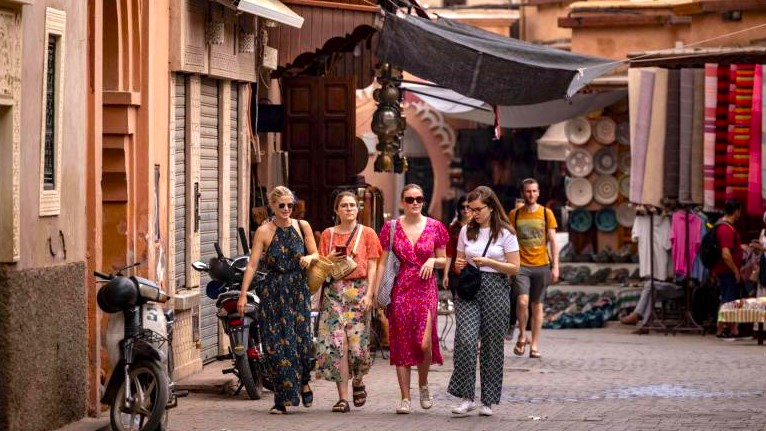
Moroccan souks are much more than shopping destinations; they are living museums of culture, tradition, and social interaction. Each market reflects the city’s history and local craftsmanship, offering a window into Moroccan daily life. Navigating and shopping in Moroccan souks is an immersive experience where the art of bartering plays a central role, as vendors expect negotiation and interaction.
Historically, souks were vital hubs along trade routes connecting North Africa, Europe, and the Middle East. Merchants sold spices, textiles, ceramics, and handcrafted goods, creating a rich environment of commerce and cultural exchange. Today, these traditions continue, and bargaining remains a respected practice. Visitors who approach the markets with an understanding of this cultural context often enjoy more authentic and rewarding experiences.
Souks are organized by the types of goods sold, with sections dedicated to carpets, leather, metalwork, spices, and jewelry. Understanding this layout helps travelers navigate efficiently, locate items of interest, and engage with vendors more effectively. By appreciating the cultural significance behind each stall and product, you can enter each negotiation with respect, making shopping in Moroccan souks both enjoyable and meaningful.
2. Practical Tips for Bartering in Moroccan Souks
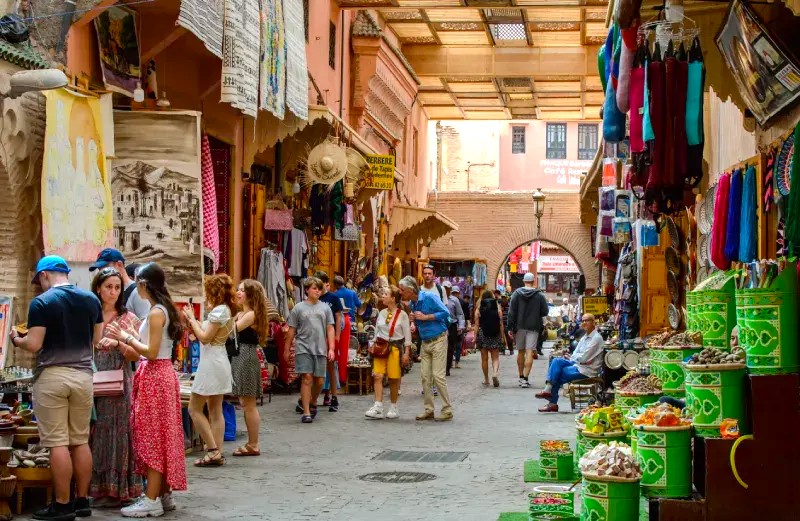
Mastering the art of negotiation is essential when navigating and shopping in Moroccan souks. The first step is to understand the typical pricing. Vendors often quote higher prices initially, anticipating that buyers will negotiate. Knowing the general market value of items such as Moroccan rugs, leather goods, spices, and ceramics gives travelers a baseline for fair pricing and increases confidence during bargaining.
Politeness and friendliness are key. A respectful tone, combined with a smile, can create a positive rapport with vendors and make negotiations more successful. Begin by offering a price lower than your target, leaving room for compromise. It’s common for the bargaining process to take several rounds of offers and counteroffers, so patience is essential. Walking away occasionally can also encourage vendors to reconsider their price.
When shopping in Moroccan souks, it is also helpful to carry small denominations of cash. Many vendors do not accept cards and may not provide change for large bills. Additionally, taking the time to explore the market before purchasing allows you to compare prices and quality, ensuring you make informed decisions. By applying these strategies, travelers can enjoy the full experience of bartering in Moroccan markets, securing authentic products at fair prices while engaging respectfully with local artisans.
3. Common Mistakes to Avoid While Bartering
When navigating and shopping in Moroccan souks, there are several common mistakes that travelers should avoid to ensure a smooth and enjoyable experience. One frequent error is accepting the first price offered. Vendors in markets like Marrakech and Fes often quote higher prices, anticipating that buyers will negotiate. Accepting the initial offer can result in overpaying and missing the opportunity to fully engage in the cultural experience of bartering.
Another mistake is being too aggressive or disrespectful. Haggling is a dialogue rather than a confrontation. Displaying frustration, raising your voice, or appearing rude can offend vendors and limit the chance of reaching a fair deal. Instead, maintaining a friendly, polite tone and showing genuine interest in the craftsmanship encourages a positive exchange.
Travelers also often fail to carry small denominations of cash, which can complicate transactions, as many vendors cannot provide change for larger bills. Additionally, not walking around and comparing prices before committing to a purchase is a common oversight. By avoiding these mistakes, travelers can confidently navigate Moroccan souks, enhance their cultural experience, and ensure they receive fair prices for authentic Moroccan handicrafts.
4. Benefits of Mastering the Art of Bartering
Mastering the art of negotiation while navigating and shopping in Moroccan souks offers more than just financial savings—it enhances your overall travel experience. Successfully bargaining allows travelers to purchase authentic Moroccan goods at fair prices, from intricately woven Moroccan rugs to handcrafted leather products, jewelry, and ceramics. By understanding how to negotiate, visitors gain access to high-quality items without overspending.
Beyond monetary benefits, bartering provides an opportunity for cultural immersion. Engaging with vendors, learning about traditional craftsmanship, and participating in a centuries-old practice deepens your understanding of Moroccan culture. It transforms shopping from a simple transaction into a meaningful social interaction, creating memorable experiences that go beyond the souvenirs themselves.
Moreover, mastering bartering can boost confidence and communication skills, as it requires patience, persuasion, and observation. Travelers often leave Moroccan souks not only with unique products but also with a sense of accomplishment and a richer understanding of local customs. By embracing the art of negotiation, you can navigate the markets more effectively, connect with local artisans, and make your shopping experience both enjoyable and rewarding.
Conclusion
Navigating and shopping in Moroccan souks is an unforgettable experience that combines culture, tradition, and adventure. By mastering the art of bartering, travelers can secure authentic Moroccan handicrafts at fair prices, connect with local vendors, and gain a deeper appreciation for the country’s rich artisanal heritage. Approaching the markets with respect, patience, and practical negotiation strategies ensures a smooth, enjoyable, and culturally immersive shopping experience.
Whether wandering the colorful alleys of Marrakech, exploring the historic medina of Fes, or discovering artisan stalls in Essaouira, bartering allows travelers to engage fully with the local culture. Combining careful observation, polite negotiation, and knowledge of typical prices ensures you leave the souks with both memorable souvenirs and meaningful experiences. For a comprehensive approach to planning your Moroccan shopping adventures, practicing bartering is essential for every visitor seeking authenticity, value, and cultural immersion.
If you’re ready to plan your visit, the team at Morocco Travel Road can provide guidance on walking tours, city navigation, and taxi usage for a seamless urban exploration.
Book your city adventure today!
Contact us and explore Morocco’s vibrant medinas and historic streets with ease.