


The Art of Bartering in Moroccan Souks
One of the most fascinating experiences in Morocco is wandering through its bustling souks, the traditional markets where vibrant colors, spices, textiles, and crafts create an unforgettable atmosphere. Beyond admiring the sights and smells, the real adventure lies in the art of bartering, a skill that has been practiced for centuries in Moroccan marketplaces.
Bartering is more than just negotiating a price, it’s a cultural ritual that combines respect, patience, and clever strategy. Learning how to haggle effectively allows travelers to not only save money but also engage with local vendors, understand Moroccan traditions, and enjoy a more immersive shopping experience. Whether you are in Marrakech, Fes, or Essaouira, mastering the etiquette of bargaining is an essential part of exploring Moroccan souks.
In this guide, we’ll walk you through practical tips, cultural insights, and strategies to confidently navigate Moroccan markets, helping you enjoy the full experience of buying souvenirs, handicrafts, and unique treasures without overspending.
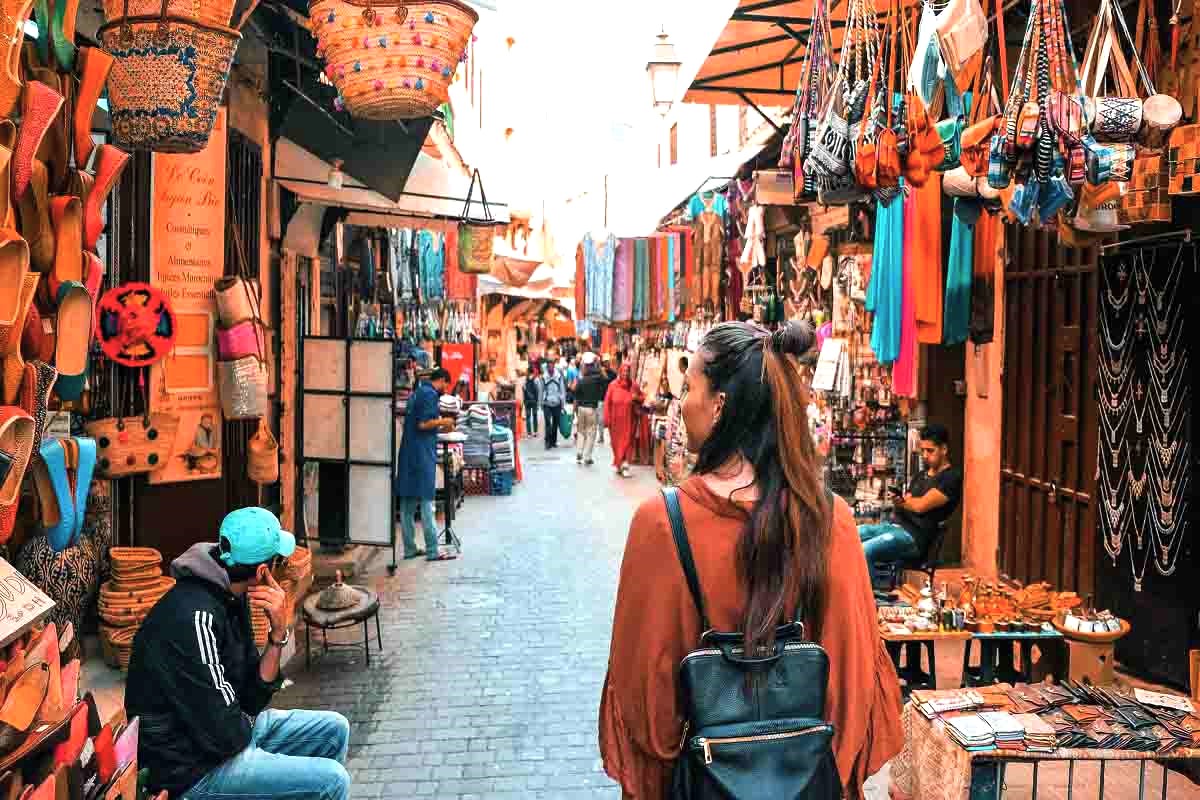
1. Understanding the Culture Behind Bartering
Bartering in Moroccan souks is more than a financial transaction—it is a deeply rooted cultural practice that reflects the country’s traditions, history, and social interactions. In Morocco, vendors expect customers to negotiate, and haggling is considered both normal and polite. Entering a souk without attempting to barter can be seen as unusual, and engaging in this practice shows respect for local customs.
The art of bartering is rooted in Morocco’s long history of trade, where merchants would travel along caravan routes to sell spices, textiles, and other goods. Today, this tradition continues in cities like Marrakech, Fes, and Essaouira, where markets teem with artisans selling carpets, pottery, jewelry, and leather products. Understanding that the initial price is often inflated for bargaining is key. Vendors typically quote higher prices, anticipating that buyers will negotiate, making the process a friendly dialogue rather than a rigid exchange.
Cultural awareness is crucial. Bartering is not just about getting the lowest price—it’s about building rapport, showing appreciation for the craftsmanship, and enjoying the interaction. Politeness, humor, and patience go a long way in Moroccan markets. Knowing a few local phrases, such as “Bessaha” (cheers) or “Shukran” (thank you), can enhance the experience and demonstrate respect for the culture.
By appreciating the cultural significance of bartering, travelers can approach Moroccan souks with confidence, turning shopping into an engaging and memorable adventure.
2. Common Mistakes to Avoid While Bartering
While bartering in Moroccan souks is a rewarding experience, there are common mistakes that travelers should avoid to ensure a smooth and enjoyable shopping experience. One of the most frequent errors is accepting the first price offered. Vendors in markets like Marrakech and Fes typically quote higher prices expecting negotiation. Accepting the initial offer means you are likely overpaying and missing out on the cultural experience of bargaining.
Another mistake is being too aggressive or disrespectful. Haggling is a dialogue, not a confrontation. Raising your voice, showing frustration, or appearing rude can offend the seller and potentially prevent a fair deal. Instead, maintain a friendly tone, use humor, and show interest in the craftsmanship to create a positive atmosphere for negotiation.
Travelers also often fail to carry small denominations of cash. Moroccan markets may not provide change for large bills, and relying solely on cards or large notes can complicate transactions. Having smaller bills allows smoother and faster payments.
Finally, not knowing when to walk away can be a misstep. Sometimes, leaving a stall politely can encourage the seller to offer a better price. However, walking away aggressively or abruptly may offend the vendor. Understanding these nuances, along with patience and respect, ensures that bartering remains enjoyable and effective.
By avoiding these mistakes, travelers can navigate Moroccan souks confidently, secure fair prices, and fully appreciate the cultural richness of the markets.
3. Benefits of Mastering the Art of Bartering
Mastering the art of bartering in Moroccan souks offers more than just financial savings; it enriches your travel experience in multiple ways. First, successful negotiation allows you to purchase authentic Moroccan goods at fair prices, whether it’s a handmade Moroccan rug, traditional ceramics, leather bags, or jewelry. This ensures that you get quality items without overpaying, making your shopping experience both rewarding and economical.
Beyond the monetary aspect, bartering fosters cultural immersion. Engaging in friendly negotiation helps travelers connect with local vendors, learn about the craftsmanship behind each product, and gain insight into Moroccan customs and social interactions. This interaction adds depth to your journey, transforming shopping from a simple transaction into a meaningful cultural experience.
Additionally, mastering bartering can boost confidence and communication skills. Negotiating prices requires patience, persuasion, and an understanding of human behavior, which are valuable skills both while traveling and in everyday life. Travelers often leave Moroccan markets not only with souvenirs but also with a sense of accomplishment and a memorable story to share.
Overall, embracing the art of bartering in Moroccan souks allows travelers to enjoy authentic products, connect with local culture, and gain practical life skills, making it an essential part of any Moroccan adventure.
Conclusion
Bartering in Moroccan souks is more than just negotiating prices—it is a cultural tradition, a skill, and an immersive experience that adds depth to any trip. By understanding the customs behind haggling, practicing patience, and employing practical strategies, travelers can purchase authentic Moroccan crafts, spices, textiles, and souvenirs at fair prices. Mastering this art allows you to connect with local vendors, gain insight into Moroccan culture, and enjoy a richer, more engaging travel experience.
Whether you are wandering the medinas of Marrakech, exploring the markets of Fes, or discovering artisan shops in Essaouira, bartering adds excitement and authenticity to your journey. By approaching it with respect, patience, and good humor, you can leave with unique treasures and unforgettable memories. For more tips on navigating Moroccan markets and planning your trip, visit Morocco Travel Road and start your adventure today.
If you’re ready to plan your visit, the team at Morocco Travel Road can guide you through Morocco’s vibrant souks, offering tips on bartering and connecting you with authentic local artisans.
Book your market adventure today!
Contact us and experience the excitement and culture of Morocco’s traditional markets.
