
The Hammam Ritual in Marrakech: 7 Cultural Secrets Behind Morocco’s Timeless Cleansing Tradition
If you are visiting Marrakech and want to understand the city beyond its souks, rooftops, and palaces, the hammam is one of the most revealing places you can go.
A hammam is not just a bathhouse. In Marrakech, it is a ritual, a social habit, a place of cleansing, and a space where daily life slows down long enough for the body and mind to reset. For locals, the hammam is not an exotic experience reserved for travelers. It is part of the rhythm of life. For visitors, it can feel unfamiliar at first, then deeply memorable once you understand what is happening.
This is where washing becomes culture.
This is where heat becomes medicine.
This is where community becomes visible.
If you want to know what the hammam in Marrakech really means, you have to look at more than steam and soap. You have to look at how people use it, why they trust it, and why it still matters in a city that blends old customs with modern living.
The Hammam Ritual in Marrakech: Cleansing, Culture, and Community
What Is a Hammam in Marrakech?
A hammam is a traditional bathhouse that uses steam, hot water, soap, and scrubbing as part of a cleansing routine. Across Morocco, hammams are found in neighborhoods, near mosques, in old medinas, and in hotel or spa settings that adapt the tradition for visitors.
In Marrakech, the hammam usually falls into one of two categories:
Neighborhood or local hammams
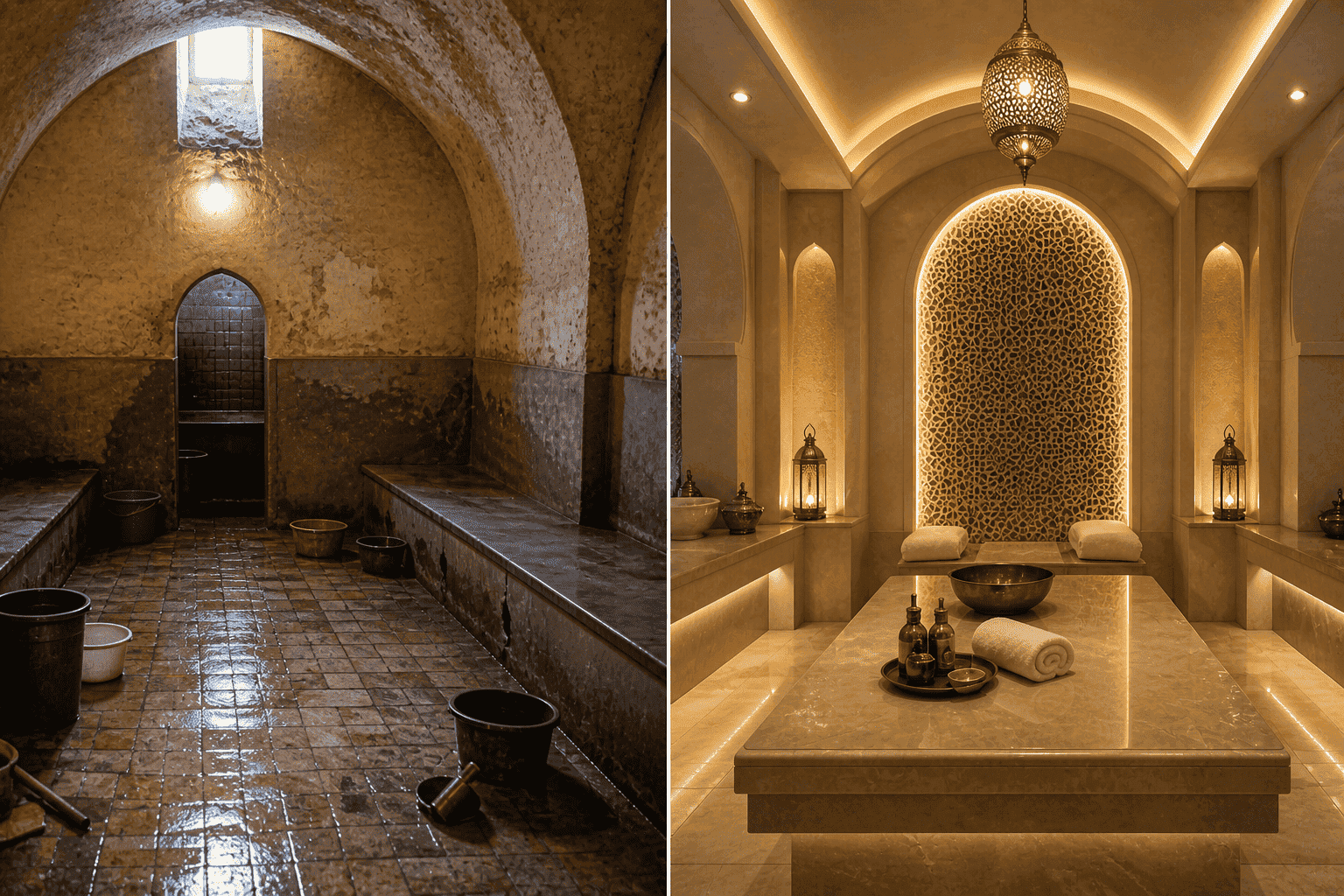
These are the public bathhouses used by residents for regular washing and social routine. They are often simple, practical, and separated by gender and time of day.
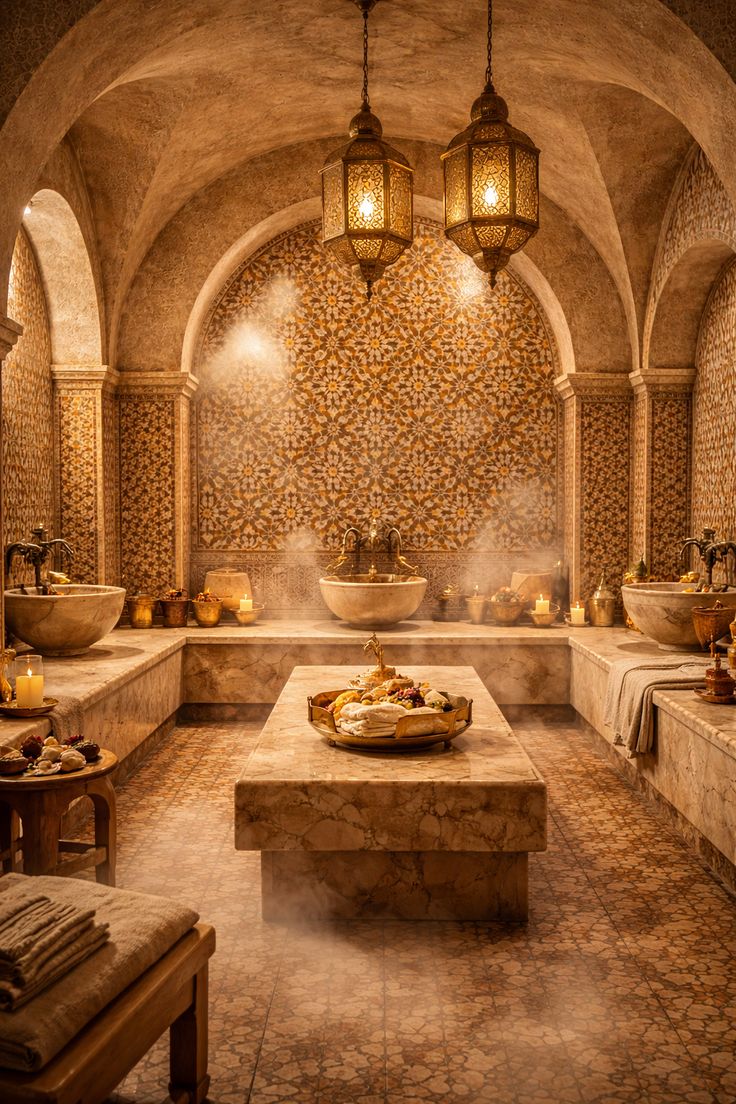
Spa-style or luxury hammams
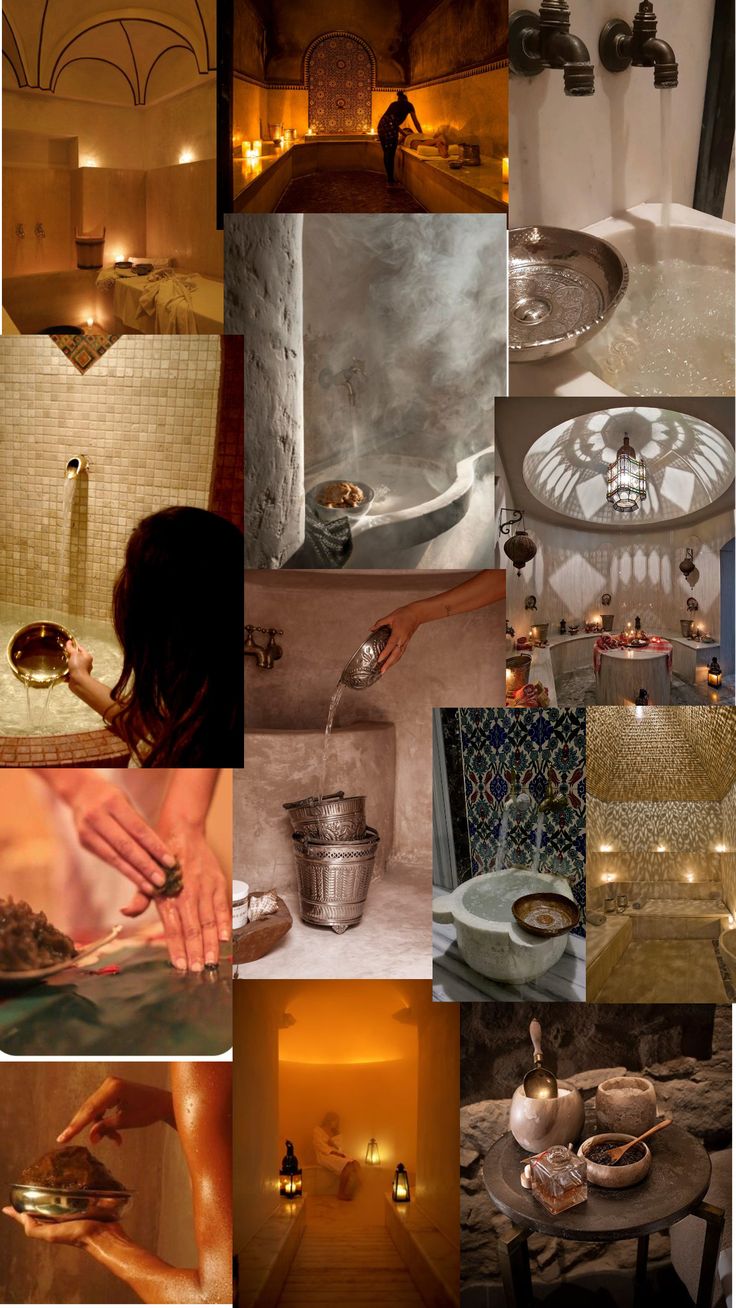
These are designed for travelers and higher-end clients. They often keep the essential elements of the ritual, but present them in a more polished setting with extra services, oils, massage, and private treatment rooms.
Both versions are rooted in the same tradition. The difference is not the ritual itself, but the setting, level of privacy, and the role of the person receiving it.
Why the Hammam Is Important in Moroccan Culture
The hammam is important in Morocco because it serves several roles at once.
- It is a place for washing.
- It is a place for health.
- It is a place for preparing the body before prayer, family events, or religious occasions.
- It is a place for gossip, conversation, and neighborly connection.
- It is a place where generations overlap.
- It is also a place of ritual care.
In many homes, especially in older neighborhoods, bathrooms may be small or not always suited to the kind of deep washing people want to do regularly. The hammam fills that gap. But it also goes beyond practicality. The act of going to the hammam says something about self-respect, family life, and shared customs.
It is one of those Moroccan traditions that feels simple until you notice how much is built into it.
Plan Your Morocco Road Journey!
Long-distance driving in Morocco becomes safer and more enjoyable when planned according to seasonal conditions. Understanding the best time of year for long-distance road travel helps drivers avoid extreme heat, mountain hazards, and heavy traffic.
Select the right season, prepare your vehicle, and explore Morocco’s diverse landscapes with confidence!
A Ritual That Begins Before You Enter
For locals, a hammam visit does not start at the door. It starts with preparation.
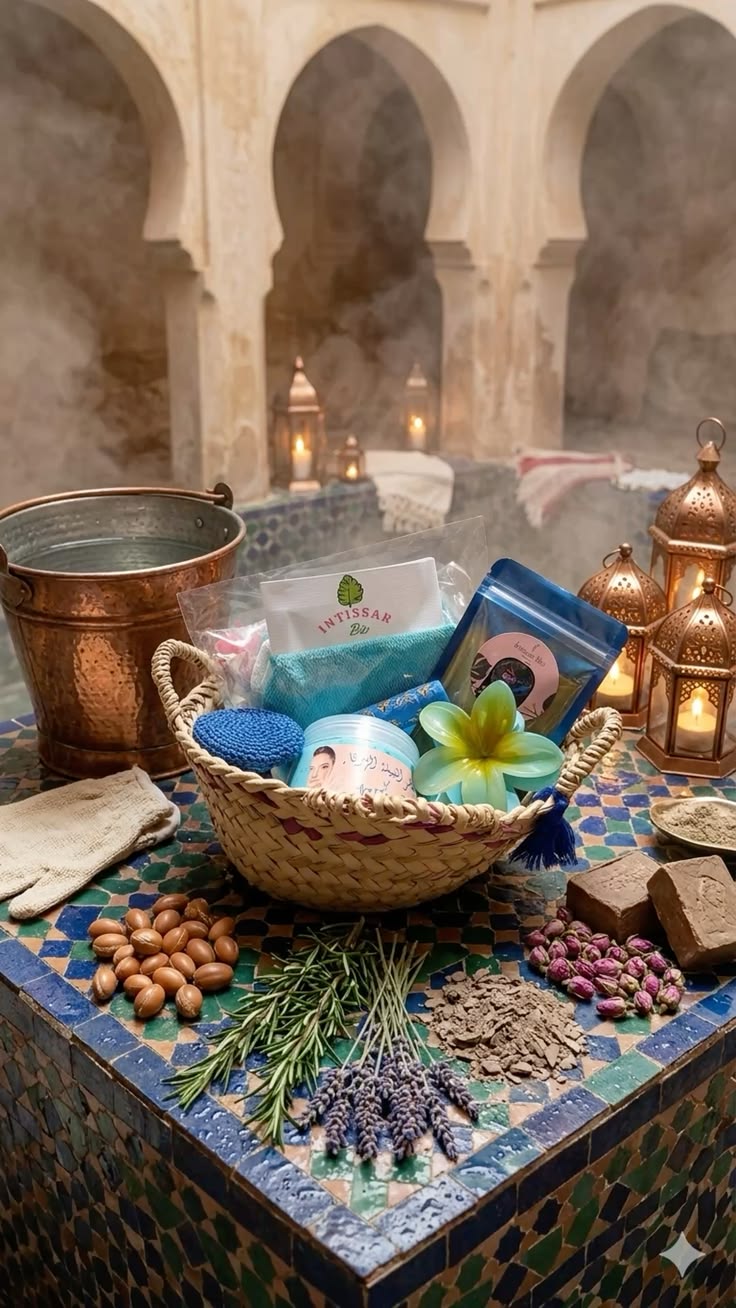
People often bring:
- soap
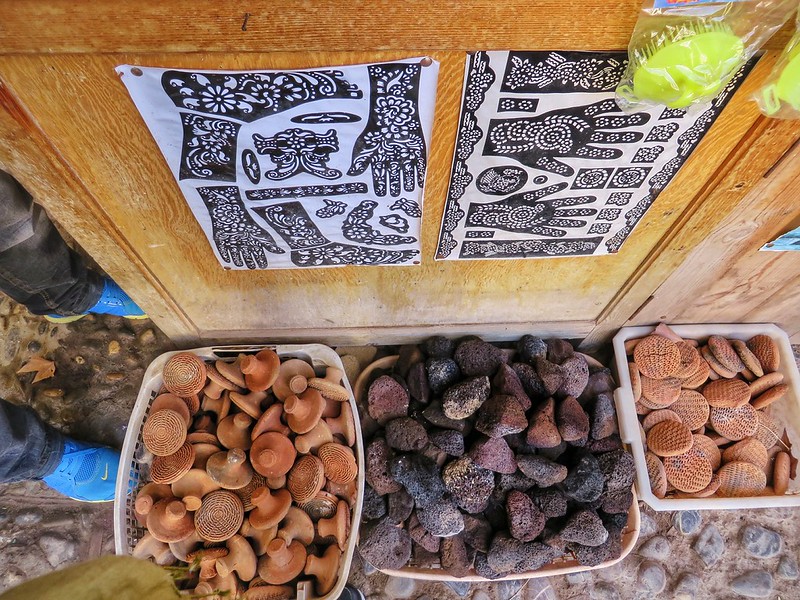
- a scrub glove, called a kessa
- a bucket or bowl
- shampoo
- a towel
- clean clothes
- sometimes a change of sandals or flip-flops
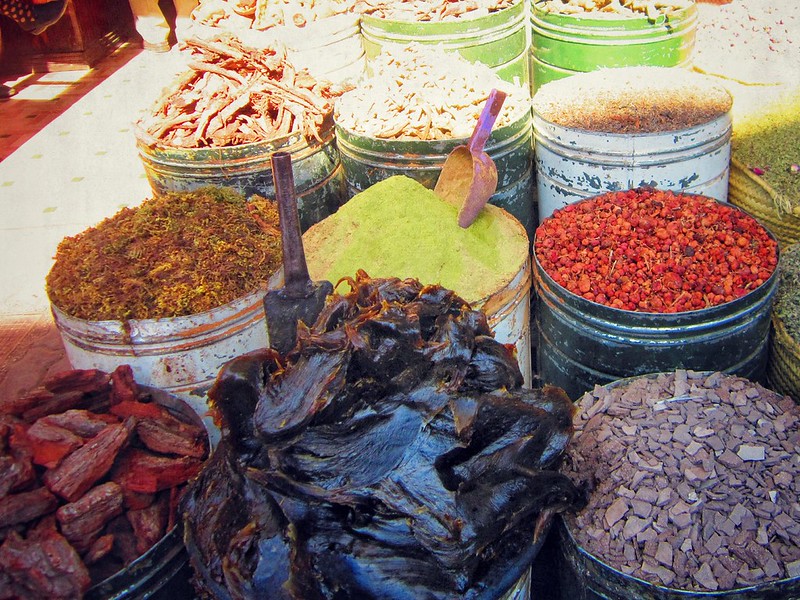
- sometimes black soap or natural products for the skin
The purpose is practical, but also deliberate. You are not just showing up to wash quickly. You are entering a process.
That process usually includes:
- warming the body
- softening the skin
- scrubbing off dead skin
- rinsing thoroughly
- resting between stages
- sometimes finishing with oils or massage
In this sense, the hammam is not rushed. It is built around patience.
The Traditional Hammam Ritual Step by Step
If you have never been to a hammam in Marrakech, the experience can feel mysterious. Here is what usually happens.
Arrival
You check in, pay, and receive or carry your supplies. In a local hammam, you may go to the section appropriate for your gender and time slot. In a luxury hammam, staff may guide you through the process more directly.
Heating up
You enter a warm room or steam-filled area. The air is hot and moist. Your body begins to relax almost immediately. The heat is part of the cleansing, but it also prepares you for the deeper wash to come.
Soap and soak
Traditional black soap, often made from olive oil, is applied to the body and allowed to sit for a moment. This helps soften the skin and open the pores.
Scrubbing
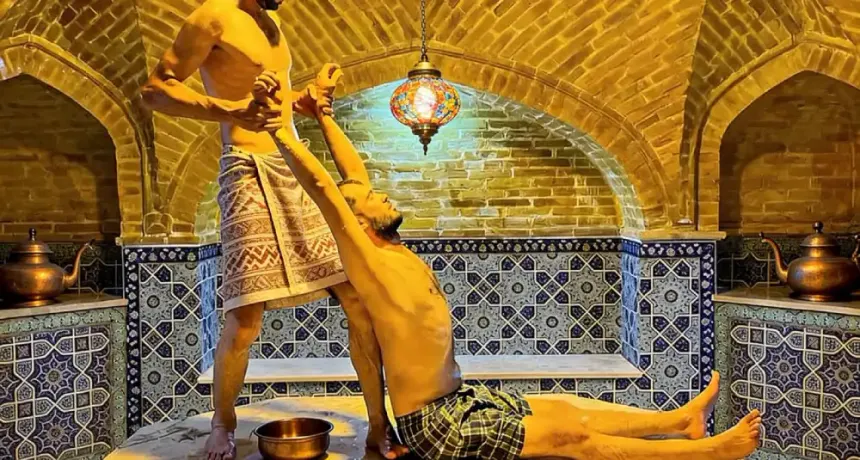
This is the part many people remember most. Using a rough mitt, the skin is scrubbed to remove dead skin and impurities. The process can be intense. That is normal. A good scrub is not supposed to be gentle in the spa-only sense. It is meant to work.
Rinsing
Buckets or showers are used to rinse away the soap and residue. This can happen several times. Water is part of the reset.
Rest and finish
After the scrubbing, some people stay a little longer to cool down and relax. In more polished hammams, oils or massages may follow. In local settings, people may simply clean up, dress, and leave feeling refreshed.
Cleansing as more than hygiene
In Marrakech, cleanliness is not only about bodily care. It is tied to dignity, habit, and religious life.
The hammam often aligns with:
- preparation for prayer
- Friday routines
- before weddings
- after travel
- after illness
- before family gatherings or celebrations
- periodic deep cleaning of the body
That means the hammam is both ordinary and meaningful. You might go because your skin needs a scrub, but you are also participating in a long-standing rhythm of care that many Moroccans recognize instinctively.
This makes the hammam different from a standard spa. A spa is about relaxation. A hammam is about cleansing first, relaxation second. It is practical, cultural, and symbolic all at once.
Community and Conversation in the Hammam
One of the most overlooked parts of the hammam is the social layer.
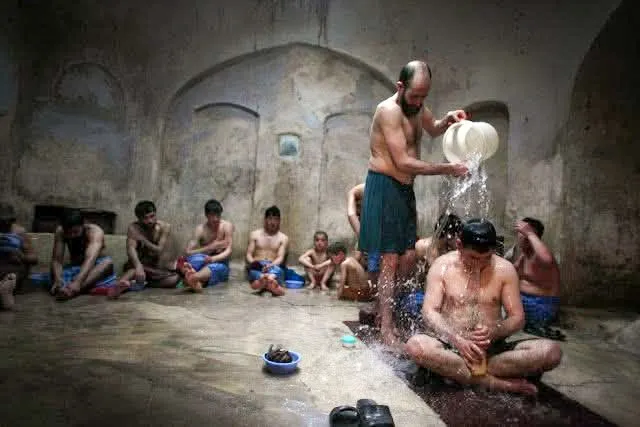
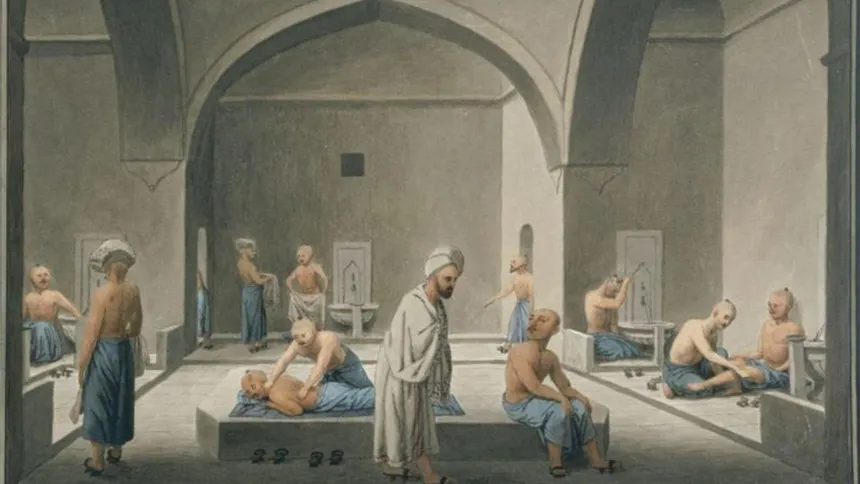
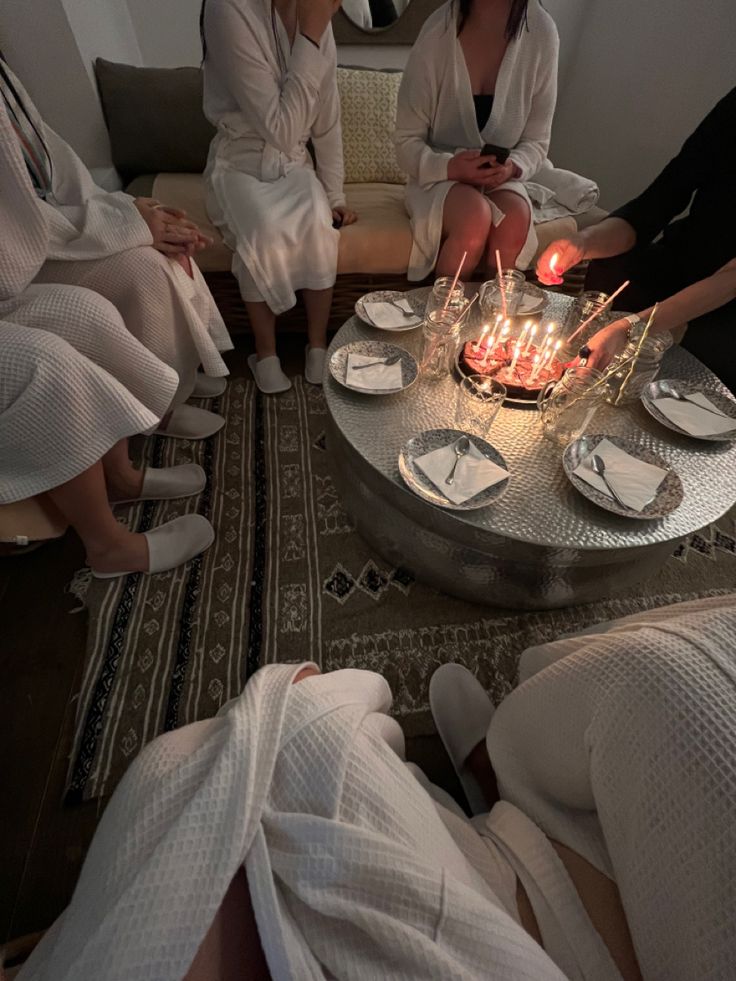
In neighborhood hammams, people do not always arrive in silence. They talk. They compare soaps. They ask about family members. They gossip. They laugh. They swap advice. They reconnect with neighbors and friends.
For many women, in particular, the hammam has long been a trusted social space. It is a place where women can gather away from the pressure of public streets and family obligations. It creates room for conversation and community in a way that feels natural, not forced.
For men as well, the hammam can be a place of routine and shared habit. It is part of the local calendar. Everyone knows the rhythm. Everyone knows what it means to go.
That social quality matters because it makes the hammam more than a washroom. It becomes a miniature civic space.
The Role of the Hammam in Marrakech Life
Marrakech is a city of movement, trade, hospitality, and performance. But the hammam offers something quieter. It gives people a chance to reset.
That is especially important in a city with:
- busy medina streets
- warm weather
- dust
- long days
- frequent walking
- public energy that can feel intense
After hours in the souks or time spent exploring the medina, the hammam offers contrast. It removes the dirt of the city in a literal sense, but it also offers a mental break from the pace of the city.
This is one reason so many visitors remember their hammam in Marrakech as one of the most grounding experiences of the trip. It interrupts the tourist rhythm and places you inside a local one.
Local Hammam vs Luxury Hammam in Marrakech
Visitors often ask which kind of hammam they should try. The answer depends on what you want.
Local hammam
If you want a more authentic, everyday experience, a neighborhood hammam offers that. It may be less polished and more basic, but it gives you a direct look at how many Moroccans actually use the space.
Luxury hammam
If you want comfort, guidance, and less uncertainty, a spa-style hammam is easier. These places are usually designed for international guests and often include private changing areas, calmer environments, and added treatments.
There is no single right choice. Both are valid. Both are Moroccan in different ways. The luxury version does not cancel the cultural meaning. The local version does not make the experience better by default. It depends on your comfort level, expectations, and willingness to participate.
If you are nervous, a spa hammam is a good first step. If you are curious about local habits, a neighborhood hammam will teach you more.
What to Expect as a First-Time Visitor
If you are visiting a hammam in Marrakech for the first time, a few things may surprise you.
- The heat can feel stronger than expected.
- The scrubbing can be intense.
- The experience is more physical than many visitors imagine.
- Silence and privacy are not always part of the local setting.
- The bathing rhythm may feel unfamiliar at first.
- That is all normal.
The key is to arrive with flexibility. Do not expect a Western spa treatment. Expect a real tradition with its own logic. If you can relax into that, the experience becomes far more rewarding.
It also helps to ask questions before you go. Good hammams, especially those used to visitors, can explain what to bring, what happens in each room, and what is included.
What the Hammam Says About Moroccan Values
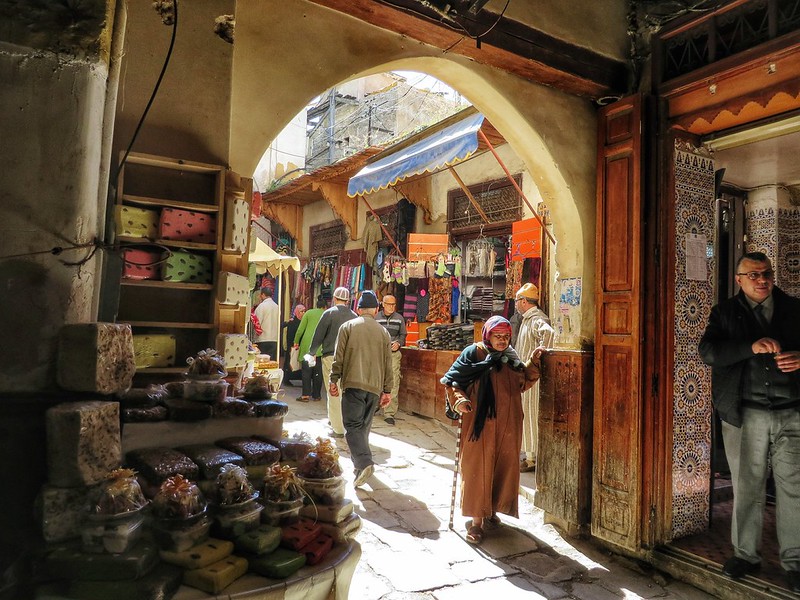
The hammam reflects a number of values that matter in Moroccan life.
Respect for the body
The body is cared for, cleaned, and prepared properly.
Respect for ritual
Washing is not random. It follows a rhythm that many people recognize.
Respect for privacy and shared space
The hammam balances communal use with personal boundaries.
Respect for community
It is a place where people meet, talk, and belong.
Respect for tradition
Even as modern bathrooms and spas become more common, the hammam still holds its place.
These values explain why the hammam in Marrakech has endured. It is practical, yes, but it is also culturally useful. It fits how people live.
The Social and Cultural Role of the Hammam
One of the strongest associations many Moroccans have with the hammam is women’s community life.
For women, especially in older neighborhoods, the hammam has often been a place of:
- pre-wedding preparation
- postpartum care
- social visits
- shared beauty routines
- informal conversation
generational bonding between mothers, daughters, aunts, and friends
A wedding hammam visit, for example, can be part of the celebration itself. It is not just about getting clean. It is about preparing, honoring the bride, and creating a shared moment before the public ceremony.
That social role gives the hammam a place in family memory. Many Moroccans can recall childhood visits with mothers or grandmothers. That memory layer is part of its power.
The Hammam as a Cultural Experience for Visitors
For travelers, the hammam can be a powerful way to understand Morocco with the body rather than just the eyes.
- You do not just look at a tradition. You feel it.
- You feel the heat.
- You feel the scrub.
- You feel the rinse.
- You feel how the ritual changes your body after a day in Marrakech.
That physical memory tends to stay with people longer than a simple photo. It becomes part of how they remember the city.
It also teaches a useful lesson: local life is not always performative. Some of the most meaningful customs are quiet, repetitive, and deeply practical.
Hammam Etiquette for Visitors in Marrakech
If you plan to visit a hammam in Marrakech, a little etiquette goes a long way.
Arrive prepared and on time.
Bring what is needed, or ask the hammam what they provide.
Respect the gender and privacy rules.
Some hammams are separated by gender or time. Follow the system in place.
Do not treat staff like extras in a show.
They are working people, not props for your experience.
Ask before taking photos.
In most local settings, photography is not appropriate.
Be open to the process.
If the scrubbing feels stronger than expected, stay calm. The tradition is not meant to be gentle in the modern spa sense.
Tip if appropriate.
In spa-style hammams, tipping may be expected. In local settings, small appreciation can still matter.
The better your etiquette, the better your experience.
Why the Hammam Still Matters in Modern Morocco
Some traditions fade when cities modernize. The hammam has survived because it serves real needs and deep social functions.
It remains relevant because it:
- cleans the body effectively
- supports social connection
- offers a routine of care
- works across generations
- adapts to both local and tourist audiences
Marrakech may have modern hotels, private bathrooms, and luxury wellness centers, but the hammam still holds its ground because it offers something those other places do not. It combines culture, health, and community in one ritual.
That combination is hard to replace.
How to Include a Hammam in Your Marrakech Itinerary
If you are building a Marrakech trip, the hammam fits beautifully between more intense activities.
- After the souks, it gives your body a break.
- After a long flight, it helps you reset.
- After a day of sightseeing, it helps you unwind.
- Before a wedding or special dinner, it helps you prepare.
It is one of the few experiences in Marrakech that can feel restorative without being passive. You do something. You participate. You leave different from how you arrived.
That is why so many visitors recommend it to others once they have tried it.
The ritual of the hammam in Marrakech is about much more than washing. It is about care, routine, social life, and the quiet strength of tradition. It reveals how Moroccans think about the body, the home, the neighborhood, and the value of shared customs.
For locals, the hammam is normal. For visitors, it can be eye-opening.
If you are traveling to Marrakech, do not skip it. Choose the version that fits your comfort level, go with respect, and let the experience show you another side of the city. In the heat, steam, and scrub, you will find something that is both very old and still very alive.