

Middle Atlas Cedar Forests: Nature and Adventure
The Atlas Mountains are Morocco’s backbone, stretching from the Atlantic coast in the southwest to the Algerian border in the east. They are a region of breathtaking landscapes, vibrant Amazigh culture, and diverse ecosystems, offering travelers a mix of adventure, history, and immersion in mountain life.
From the soaring peaks of the High Atlas, home to Jebel Toubkal, North Africa’s highest mountain, to the cedar forests and serene valleys of the Middle Atlas, these mountains are intertwined with the lives of Moroccan mountain villages. The Atlas Mountains are not just a destination for hikers and adventurers; they are a living story of culture, nature, and tradition.
For travelers seeking a full experience, this guide will explore the geography, culture, natural beauty, and travel tips that make the Atlas Mountains a must-visit destination in Morocco.
Geography and Regions of the Atlas Mountains
The Atlas Mountains stretch over 2,500 kilometers across Morocco, forming a natural barrier between the Atlantic coast, the Sahara Desert, and the fertile plains of the north. The range is traditionally divided into three main regions, each offering unique landscapes and cultural experiences.
High Atlas
The High Atlas is the tallest and most dramatic section, with peaks exceeding 4,000 meters, including Jebel Toubkal. This region features rugged valleys, glacial lakes, and picturesque Berber villages. It is a favorite destination for trekking, mountaineering, and exploring traditional Amazigh communities.
Middle Atlas
The Middle Atlas is known for its cedar forests, rolling hills, and serene lakes. Villages here maintain a strong Amazigh identity, and the region is rich in cultural festivals, crafts, and mountain agriculture. Towns like Ifrane, Azrou, and Midelt offer gateways to both natural exploration and cultural experiences.
Anti-Atlas
Stretching toward the Saharan edges, the Anti-Atlas features arid landscapes, dramatic rock formations, and oasis valleys. It is less frequented by tourists but offers trekking, historical kasbahs, and ancient trade route villages, revealing a quieter, more rugged side of Morocco’s mountainous terrain.
Understanding these regions helps travelers plan their journeys, whether they seek adventure, nature, or cultural immersion. Each area of the Atlas Mountains offers distinct landscapes, communities, and experiences, making it a versatile and rewarding destination.
Cultural Life in Atlas Mountain Villages
The Atlas Mountains are home to vibrant Amazigh (Berber) communities, whose traditions, crafts, and lifestyles have been preserved for centuries. Villages are often nestled in valleys or perched on hillsides, where stone and clay homes blend seamlessly with the landscape. Life here is guided by agriculture, artisanal crafts, and seasonal festivals, providing a window into Morocco’s living cultural heritage.
Music and dance play a central role in village life. Traditional Ahidous and Ahwach dances are performed during celebrations, weddings, and religious events, often accompanied by drums and poetic chanting. Crafts such as handwoven carpets, pottery, and woodwork are passed down through generations, reflecting both artistic expression and everyday utility.
Festivals in the Atlas Mountains, from the Midelt Moussem of Apples to smaller village gatherings, unite communities and visitors alike. These events celebrate the harvest, marriage, and spiritual rituals, allowing travelers to witness Middle Atlas culture firsthand. Participating respectfully in these traditions offers a meaningful connection to the people and their enduring way of life.
For those exploring the region, guided tours and local experiences, such as those offered by Holiday Morocco Tours, can enrich understanding, providing both cultural context and authentic interactions with villagers.
Azrou forest
Located near the town of Azrou, this forest is one of the most famous cedar woodlands in Morocco. Known for its majestic Atlas cedars, Azrou Forest is also home to Barbary macaques, making it a favorite destination for wildlife lovers and photographers. Visitors can stroll along well-marked trails, enjoy picnic spots, and experience a serene escape surrounded by towering trees.

Tanourdi Forest
Situated in the Midelt area, the Tanourdi Forest is a lesser-known but equally captivating cedar woodland. Its remote trails wind through dense trees and open meadows, providing a sense of seclusion and adventure. The forest is often combined with visits to local Amazigh villages, allowing travelers to connect nature with traditional life.
Ifrane forest
Ifrane Forest
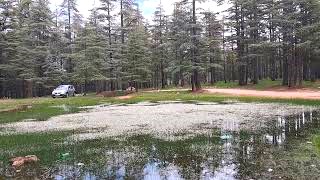
The Ifrane Forest, near the Alpine-style town of Ifrane, offers travelers a tranquil environment with lush greenery and shaded paths. It is ideal for hiking, cycling, and birdwatching, and its proximity to Ifrane town makes it easily accessible for those exploring Middle Atlas culture and nature. The forest is particularly striking in spring, when wildflowers bloom amidst the cedars.
Other cedar forest
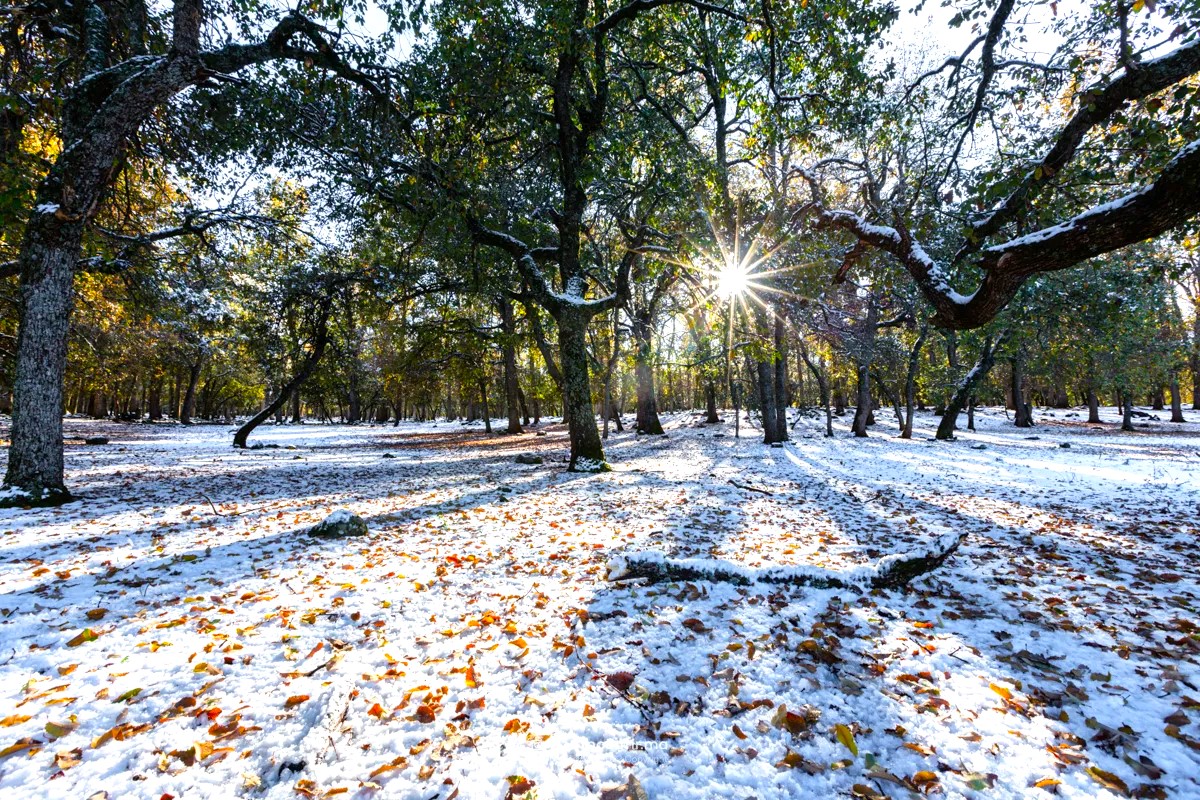
Other beautiful cedar forests include those near Imouzzer Marmoucha, offering rugged landscapes and panoramic mountain views, and the forests around Timahdite, known for their biodiversity and tranquil atmosphere. Each forest has its own character and ecosystem, providing travelers with varied experiences of the Middle Atlas natural heritage.
Cedar Forests of the Middle Atlas
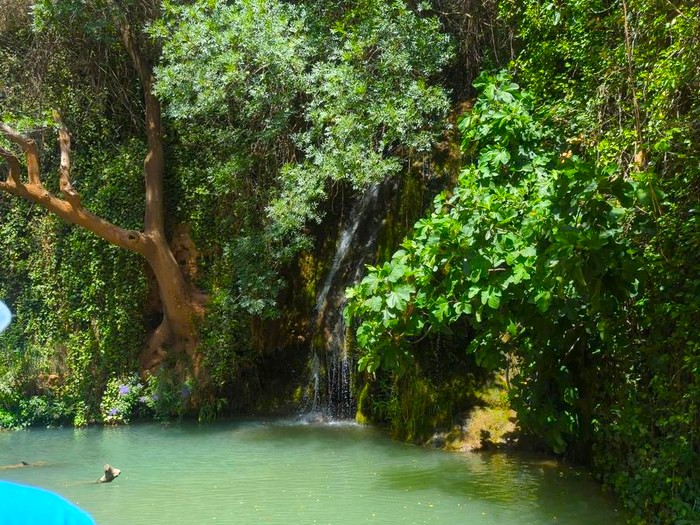
The cedar forests of the Middle Atlas are among Morocco’s most enchanting natural treasures. Dominated by the Atlas cedar, these forests provide not only breathtaking scenery but also critical habitats for wildlife. Among the trees, visitors may encounter the iconic Barbary macaque, various bird species, and small mammals that thrive in this unique ecosystem.
Beyond their ecological significance, these forests are deeply intertwined with Amazigh culture. Local communities have relied on cedars for centuries for timber, firewood, and resin, integrating the forest into traditional crafts and daily life. Hand-carved items, wooden tools, and locally sourced construction materials reflect this intimate relationship between humans and nature.
For travelers, walking through these cedar forests offers a dual experience: an encounter with pristine natural beauty and a window into the cultural practices of Moroccan mountain villages. Whether hiking along shaded trails, observing wildlife, or learning about traditional uses of cedar wood, visitors can appreciate how these forests have shaped both the environment and the lives of the people who call the Middle Atlas home.
Preservation of Cedar Forests in Morocco
The cedar forests of the Middle Atlas are not only natural treasures but also vital ecological and cultural resources, making their preservation a priority for Morocco. These forests face threats from overlogging, grazing, and climate change, which can disrupt delicate ecosystems and endanger species like the Barbary macaque.
Conservation efforts include reforestation programs, sustainable logging practices, and the creation of protected areas. For example, initiatives in the Azrou and Ifrane regions aim to balance local economic needs with environmental stewardship, ensuring that communities can continue to use forest resources without degrading them. Environmental NGOs and the Moroccan government collaborate to raise awareness among villagers and visitors, emphasizing the ecological and cultural importance of the cedar trees.
Sustainable tourism also plays a crucial role in preservation. By encouraging responsible hiking, guided tours, and eco-friendly accommodations, travelers contribute to the protection of the forests while experiencing their beauty. This approach not only safeguards biodiversity but also supports Amazigh communities that depend on the forests for traditional crafts, grazing, and firewood.
Through these combined efforts, Morocco’s cedar forests remain a living symbol of natural heritage and cultural continuity, allowing future generations to enjoy both the wilderness and the traditions it supports.
Experiencing the Middle Atlas as a Traveler
Exploring the Middle Atlas Mountains offers travelers a rare chance to combine adventure, nature, and cultural immersion. Whether trekking through cedar forests, visiting lakes and rivers, or observing wildlife, engaging with the region responsibly enhances both the experience and its sustainability.
For a truly authentic journey, consider hiring a local guide or a trusted agency, such as Holiday Morocco Tours. Guides provide insight into the flora, fauna, and cultural practices, ensuring travelers appreciate the ecological and historical significance of the landscapes they explore.
When visiting villages or forests, it’s important to respect local customs, avoid disturbing wildlife, and minimize environmental impact. Staying in local guesthouses, sampling traditional Amazigh cuisine, and purchasing handmade crafts directly from artisans helps support communities while preserving their way of life.
By combining adventure with respect for Middle Atlas culture and ecology, travelers not only create lasting memories but also contribute to the preservation of Morocco’s natural and cultural heritage.
If you’re ready to plan your visit, the team at Morocco Travel Road can assist with guided tours, accommodations, and tailored itineraries, ensuring a smooth and memorable excursion.
Book your cedar forest adventure today!
Contact us and experience one of Morocco’s most spectacular natural wonders.