

Mint Tea Culture in Marrakech: The Hidden Meaning Behind Morocco’s Most Famous Drink and Why It Matters to Every Visitor
Mint Tea Culture in Marrakech is more than something you order after lunch. It is part welcome, part ritual, part social cue, part habit, and part quiet performance. It arrives in a shiny silver pot, poured from height into small glasses, sweet enough to wake you up, and warm enough to slow you down. A visitor can spend a week in the city and drink mint tea half a dozen times without really noticing what is happening. That would be a mistake.Because in Marrakech, tea means something.
It marks hospitality. It opens conversations. It gives people a reason to sit down instead of rushing past one another. It also says a lot about Moroccan life in general, where the simple act of serving tea can carry generosity, respect, patience, and a sense of occasion. If you are only in Marrakech for a few days, learning the culture around mint tea is one of the easiest ways to understand the city a little better.
This is not just about taste. It is about behavior, timing, manners, and the meaning hidden inside a very ordinary-looking drink.
What Is Mint Tea Culture in Marrakech?
Moroccan mint tea is usually made with green tea, fresh mint, a generous amount of sugar, and boiling water. It is often called “Moroccan whiskey” by travelers, not because it contains alcohol, but because it plays a similar social role: it brings people together, it is served often, and it has a presence that goes beyond the drink itself.
The standard version is sweet, fresh, and fragrant. The green tea gives it a slightly bitter base, the mint adds brightness, and the sugar rounds everything out. The result is strong but smooth, simple but memorable.
What surprises many first-time visitors is how central it is. Tea is not reserved for special occasions only. It shows up after meals, during meetings, when guests arrive, when you stop at a shop, and when a host wants to signal that you are welcome to stay a little longer.
In Marrakech, tea is a gesture before it is a beverage.
Why Mint Tea Matters in Marrakech
Mint Tea Culture in Marrakech reflects hospitality, patience, and social connection.
There are a lot of ways to greet someone in Morocco, but offering tea remains one of the clearest signs of hospitality. In homes, riads, shops, and even some offices, tea is how people create a pause. It softens the mood. It lets the conversation breathe.
That matters in a city like Marrakech, where the pace can feel fast, crowded, and demanding. The medina pulls you in one direction. Shopkeepers call out. Taxis negotiate. Tour guides offer suggestions. Rooftops give you a moment to recover. Tea sits right in the middle of all that motion and says: stop for a minute.
That pause is not random. It reflects a culture that values human contact over speed. A cup of tea can mean:
- You are a guest, not a transaction.
- You are being invited to stay.
- The person across from you is willing to give you time.
- A conversation matters more than efficiency.
For visitors, that can feel strangely generous. In many places, a drink is just a drink. In Marrakech, it often means someone is taking you seriously enough to slow down.
One of the most visible parts of Mint Tea Culture in Marrakech is the traditional pour.
The Mint Tea Pour Is Part of the Story
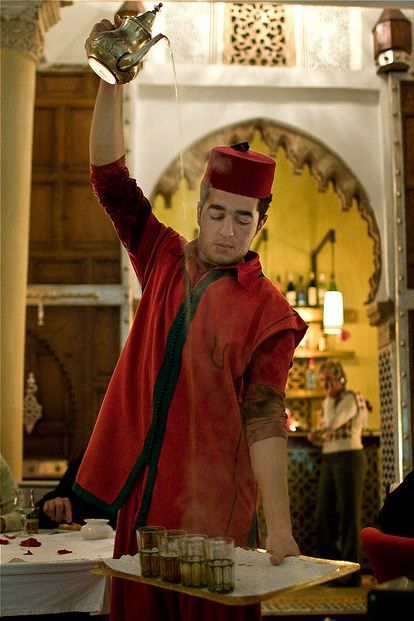
If you have seen Moroccan tea being poured, you probably remember it. The tea is often poured from a height into small glasses, sometimes in a continuous stream, sometimes in a dramatic flourish. It looks elegant, but it is not just for show.
The pour helps mix the ingredients and create a bit of foam on top. It also turns the act into a small performance. That performance matters because hospitality in Morocco is not hidden. It is expressed. It is visible. It has style.
A good pour says the host knows what they are doing. It says care has gone into the preparation. It also gives the drink a bit of ceremony, which makes even a simple tea break feel meaningful.
When tourists first see it, they often treat it like a photo opportunity. Fair enough. It is photogenic. But it helps to remember that the pour is part of a bigger cultural pattern. It is not about impressing visitors only. It is about making the act of serving tea feel complete.
Mint Tea in Moroccan Hospitality
If you are invited somewhere in Marrakech and tea is offered, that is not just politeness. It is how social life works. Refusing too quickly can feel awkward, even if you are not trying to be rude. You do not have to drink endless glasses, but accepting at least one cup is usually the right move.
In homes, tea can signal:
- a warm welcome
- respect for the guest
- a willingness to spend time together
- a break from formality
In shops, tea may be offered as a way to start a conversation, especially if a vendor hopes you might buy something. This can be genuine hospitality, but it can also be part of the sales process. Both things can be true at once. The tea is friendly, but it is also a sign that the seller is building a relationship.
That is normal in Marrakech. Not every cup is a trap. Not every offer is purely generous either. The city tends to blend warmth and commerce in a way that feels natural to locals and confusing to outsiders. The key is to accept the tea in the spirit it is offered, while still staying aware of the context.
How to Drink Mint Tea the Right Way as a Visitor
There is no strict rulebook for tourists, but a few habits will help you fit in more comfortably.
- Accept tea when it is offered, unless you have a clear reason not to. Declining once is fine. Declining with repeated suspicion can make things awkward.
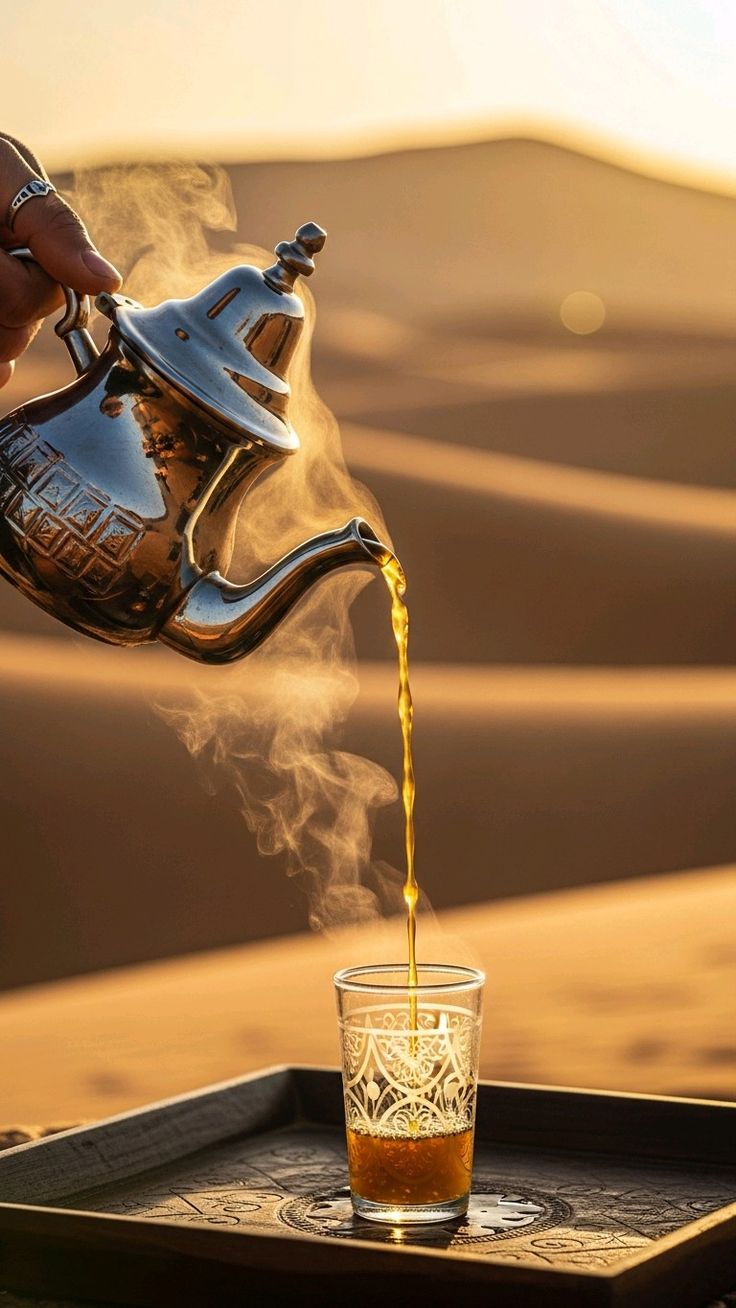
- Hold the glass carefully. Moroccan tea glasses can get hot, and they are small. Sip rather than gulp.
- Do not rush. Tea is meant to create a pause. If you drink it like a shot and stand up immediately, you miss the point.
- If you are in a shop, understand that tea may come before or during a sales conversation. That does not mean you owe anyone a purchase. It does mean the social atmosphere is part of the experience.
- If you are invited to someone’s home, tea is a sign of welcome. Take the moment seriously. Ask a few questions. Compliment the tea if you enjoy it. A small amount of appreciation goes a long way.
The Sweetness Tells You Something Too
One of the first things visitors notice is that Moroccan mint tea is very sweet. Often very, very sweet. People sometimes joke that it tastes like liquid candy. That sweetness is not accidental.
It reflects local taste, but it also fits the role tea plays. This is not a drink for quiet bitterness or minimalist fuss. It is supposed to be comforting, sociable, and full of energy. The sugar helps with that. It makes the tea feel generous and easy to share.
Some travelers ask for less sugar, and that is perfectly normal. But if you want the full local experience, try it the traditional way at least once. You may not love every detail of it, but you will understand why it matters.
Visitors notice Mint Tea Culture in Marrakech everywhere, from riads to rooftops.
Where You Will See Mint Tea in Marrakech
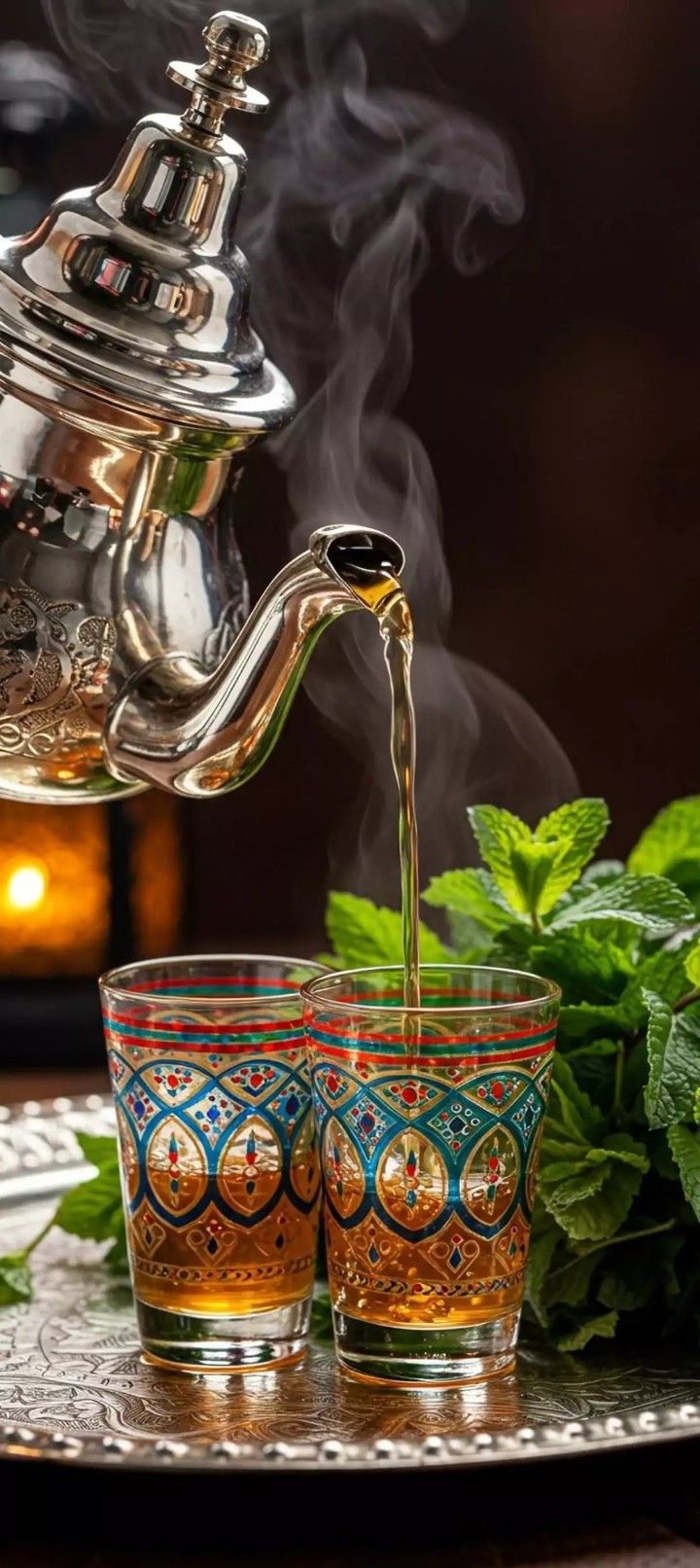
You will encounter mint tea everywhere in Marrakech, but not always in the same form.
In riads, it is often offered on arrival. That first glass is basically the city saying hello.
In cafés and restaurants, it is a standard finish to a meal, especially if you are sitting for a while.
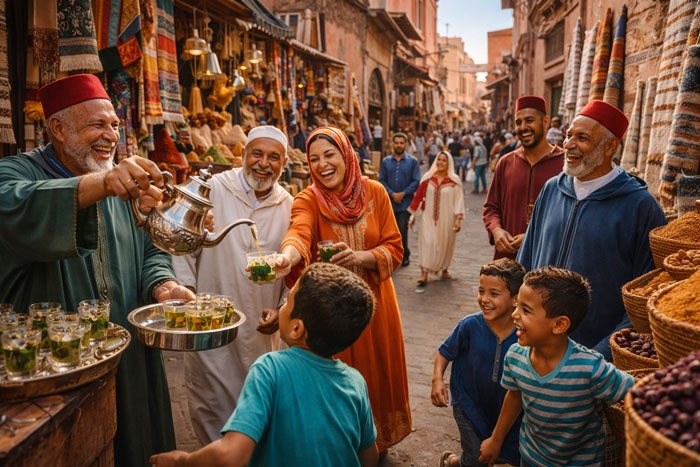
In souks, tea may be offered during a sales pitch, especially by carpet sellers, leather shops, or artisan stores.
In homes, tea is part of daily hospitality and family rhythm.
On rooftops and terraces, it becomes part of the view. Tea plus sunset plus mosque calls in the distance is one of those Marrakech combinations people remember for years.
In all of these settings, tea is doing slightly different work. Sometimes it is a welcome. Sometimes it is a social bridge. Sometimes it is a sales tool. Sometimes it is simply a habit. But it always carries a sense of place.
What Tea Reveals About Marrakech Life
Tea culture gives you a small but useful window into how Marrakech functions.
It shows that relationships matter. Even brief ones. Even transactional ones.
It shows that time is flexible. There is room for a conversation before the business part starts.
It shows that presentation matters. Tea is served in a way that feels cared for, not rushed.
It shows that hospitality is active, not passive. A host does not just say “make yourself at home.” They bring out tea and create the feeling themselves.
That matters because visitors often experience Marrakech first through friction: crowds, bargaining, traffic, direction confusion, unfamiliar customs. Tea is the opposite of friction. It is one of the easiest places to find calm.
Tea as a Social Equalizer
One of the most interesting things about tea in Marrakech is that it crosses social situations easily. A house, a shop, a riad, a business meeting, a family gathering, a roadside stop, a terrace café. The setting changes, but tea still works.
That means tea can function as a kind of social equalizer. It gives people a shared language. You do not need to speak perfect Arabic or French to understand the gesture. You just sit, drink, and acknowledge the moment.
For travelers, this is useful. When a city feels unfamiliar, small shared rituals help. Tea is one of the simplest ways into that shared space.
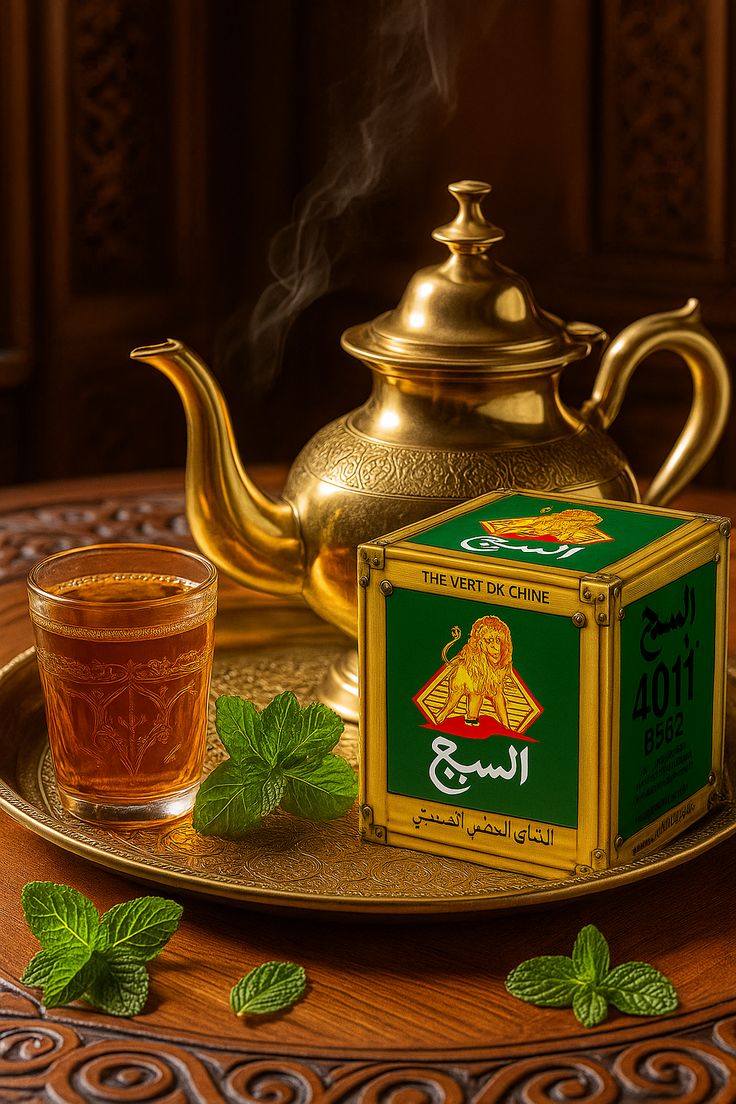
Tea and Time in Marrakech
One of the hidden meanings behind mint tea is how it changes your sense of time.
In Marrakech, tea asks you to pause. It creates a gap between one thing and the next. That may not sound important, but in a city where so much seems fast and energetic, a pause is powerful.
A cup of tea can be the difference between rushing through the medina and noticing the smell of herbs, the sound of a spoon against glass, the patterned tile under your feet, or the way the evening light lands on a rooftop wall.
In that sense, tea is not just a drink. It is a reminder that the city should not be consumed like a checklist. It should be experienced slowly enough to notice what is going on.
How Tea Can Help You Avoid Tourist Mistakes
Mint tea also has a practical side for visitors.
- If you are shopping in the souks, tea can slow the interaction down enough for you to think clearly instead of making a quick, bad purchase.
- If you are feeling overwhelmed, a tea break can reset your mood.
- If you are meeting a guide or driver, tea can create a moment to ask questions and gauge whether you feel comfortable with the person.
- If you are negotiating in a riad or a shop, tea can soften the exchange without removing your ability to say no.
- In short, tea can be a small anchor in a city that otherwise moves quickly.
A Few Unwritten Rules
There are some informal things worth knowing.
- If tea is offered, it is often polite to accept, even if you do not drink much.
- If a host pours you tea, letting them do it is part of the ritual. Do not try to take over unless they ask.
- If you are in a shop and the tea seems tied to a long sales conversation, stay friendly but be clear about your limits.
- If you do not want sugar, it is fine to ask, but do it politely. Some places may not be able to adjust easily, or the tea may already be prepared.
- If you are invited to sit and share tea, do not treat it as wasted time. That sitting is the experience.
Understanding Mint Tea Culture in Marrakech helps travelers connect with local customs.
Why Every Visitor Should Pay Attention to Tea Culture
You can visit Marrakech, take photos, eat tagine, shop in the souks, and leave without ever thinking about mint tea. Plenty of people do.
But if you pay attention to tea culture, your trip changes. You stop seeing the city only as a set of attractions and start noticing how people actually live and connect. You understand why hospitality feels so central. You learn that not every interaction has to be hurried. You see that a simple drink can carry meaning, memory, and trust.
That is useful anywhere, but it feels especially important in Marrakech. The city can be intense. Tea is one of the gentlest ways it welcomes you in.
Mint Tea Culture in Marrakech matters because it reflects welcome, conversation, and shared time. Mint tea in Marrakech is not just famous because it tastes good or looks beautiful in a glass. It matters because it says something true about the city: people here value welcome, conversation, and shared time. The tea is sweet, yes. But the meaning behind it is even richer.
If you’re ready to embark on a culinary adventure, the team at Morocco Travel Road can help you plan a gastronomic journey, from local markets and cooking classes to guided dining experiences.
Start your Moroccan food adventure today!
Contact us and savor the authentic flavors of Morocco, from tagines and couscous to sweets and street food delights.