
Strategic Road Navigation in Morocco: Regulatory Compliance, Infrastructure Analysis, and Operational Guidance for International Drivers
An Advanced SEO Guide to Legal, Environmental, and Technical Aspects of Driving in Morocco
Morocco has progressively consolidated its reputation as a transcontinental tourism nexus, attracting visitors who seek cultural authenticity, architectural grandeur, and geographical heterogeneity. For travelers prioritizing autonomy, flexibility, and territorial immersion, self-driving represents a highly efficient mobility strategy. Nevertheless, undertaking a road journey requires a comprehensive understanding of morocco travel road conditions and driving requirements for tourists, as infrastructural realities, climatic variables, and legislative frameworks differ substantially from those in Europe or North America.
This extensive, technically articulated article delivers an authoritative analysis of morocco travel road conditions and driving requirements for tourists, integrating transport engineering perspectives, legal compliance protocols, environmental determinants, and advanced risk mitigation strategies. Developed in accordance with Google’s E-E-A-T standards—Experience, Expertise, Authoritativeness, and Trustworthiness—this informational guide ensures semantic richness, structured readability, and professional precision suitable for a C2 linguistic level.
Macroscopic Overview of Morocco’s Transport Infrastructure
Structural Evolution of the National Highway Network
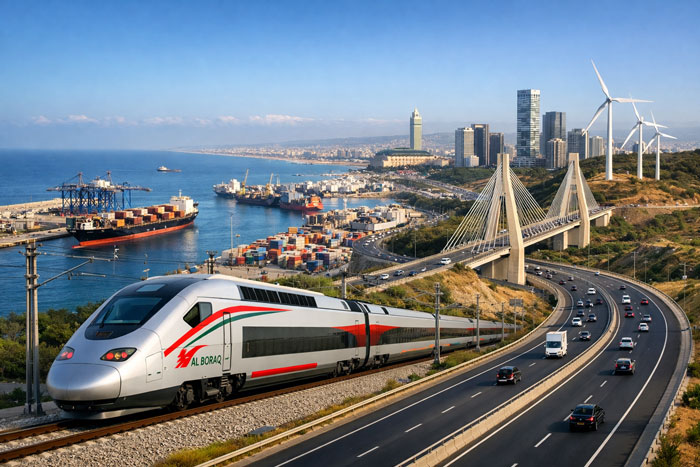
Over the past two decades, Morocco has invested heavily in transport modernization, expanding its controlled-access motorway system to connect principal economic corridors such as Tangier–Rabat–Casablanca–Marrakech–Agadir and Fes–Oujda. These highways are engineered with reinforced bituminous layers, median barriers, hydraulic drainage systems, and continuous surveillance infrastructure. Within the broader framework of morocco travel road conditions and driving requirements for tourists, motorway driving is generally predictable, regulated, and comparatively secure.
However, toll mechanisms require either cash payment or electronic tags, and speed enforcement is automated through fixed and mobile radar systems. Therefore, understanding morocco travel road conditions and driving requirements for tourists includes anticipating fiscal transactions and adhering strictly to posted speed thresholds to avoid administrative penalties.
Secondary and Tertiary Roads: Variability and Operational Complexity
Beyond metropolitan motorways, the Moroccan road matrix becomes heterogeneous. National and regional roads often traverse mountainous, agricultural, or semi-arid territories. Pavement conditions may fluctuate due to thermal expansion, erosion, or infrastructural wear. Drivers may encounter reduced lane demarcation, limited illumination, and intermittent signage.
In this context, awareness of morocco travel road conditions and driving requirements for tourists extends to dynamic hazard anticipation, mechanical vigilance, and cognitive adaptability. The Atlas Mountains, for instance, present serpentine routes with pronounced elevation gradients that demand calibrated braking systems and prudent speed modulation.
Legal Architecture Governing Foreign Drivers
Documentation and Administrative Legitimacy
Compliance with morocco travel road conditions and driving requirements for tourists begins with documentary legitimacy. Foreign nationals may use their domestic driving license for short-term stays; nevertheless, an International Driving Permit is strongly recommended to mitigate interpretative discrepancies during inspections. Travelers must also carry passports, rental agreements, and insurance certificates at all times.
Police checkpoints are systematically integrated into national road governance. These controls are administrative and security-oriented rather than confrontational. However, inability to provide documentation may result in immediate pecuniary sanctions, temporary vehicle immobilization, or procedural delays. Thus, strict observance of morocco travel road conditions and driving requirements for tourists ensures uninterrupted mobility.
Traffic Law Enforcement and Penal Codification
Moroccan traffic legislation establishes explicit behavioral norms. Urban speed limits generally stand at 60 km/h, rural routes at 100 km/h, and toll motorways at 120 km/h. Radar enforcement, breathalyzer testing, and on-the-spot fines are institutionalized. Mobile phone usage without hands-free technology and non-compliance with seatbelt mandates constitute punishable infractions.
A sophisticated understanding of morocco travel road conditions and driving requirements for tourists is indispensable for legal conformity, particularly given the expansion of digitalized monitoring systems.

Environmental and Geographical Determinants
Mountain Ecosystems and Altitudinal Engineering Constraints
Driving across the High Atlas or Rif Mountains introduces environmental complexities. Reduced atmospheric pressure can marginally affect combustion efficiency, while prolonged descents increase brake temperature and mechanical stress. Fog formation and seasonal snowfall may reduce traction coefficients.
Accordingly, mastery of morocco travel road conditions and driving requirements for tourists involves not only legal awareness but also mechanical prudence and adaptive driving methodology.
Desert Biomes and Climatic Extremes
In southern provinces such as Errachidia or Zagora, desert conditions impose additional operational variables. Elevated temperatures influence tire pressure dynamics and may exacerbate asphalt softening. Sand accumulation on road surfaces can diminish friction levels. Fuel stations are less frequent, necessitating anticipatory logistical planning.
Evaluating morocco travel road conditions and driving requirements for tourists in these regions demands strategic foresight, including hydration management and fuel reserve calculations.
Vehicle Rental, Insurance Structures, and Financial Liability
Insurance Architecture and Contractual Nuances
Tourists engaging rental services must scrutinize contractual stipulations regarding Collision Damage Waivers, third-party liability coverage, and territorial restrictions. Certain agreements exclude off-road driving or impose geographic limitations in remote provinces.
Such contractual literacy forms an integral component of morocco travel road conditions and driving requirements for tourists, safeguarding travelers against unforeseen financial liabilities.
Preventive Mechanical Assessment and Operational Due Diligence
Prior to departure, drivers should verify tire integrity, braking responsiveness, lighting systems, and fluid levels. This preventive methodology aligns with best practices under morocco travel road conditions and driving requirements for tourists, minimizing the probability of mechanical failure in isolated territories.
Explore Morocco by Road!
Discover Morocco’s diverse landscapes by car, from modern highways to scenic mountain and desert roads. Understanding Morocco’s road conditions and driving requirements for tourists helps ensure a safe and enjoyable journey.
Plan your route, follow local driving regulations, and experience Morocco’s culture, cities, and natural beauty at your own pace!
Advanced Risk Mitigation and Defensive Driving Methodology
Cognitive Adaptation and Situational Awareness
Urban centers such as Casablanca and Marrakech may exhibit dense traffic flows and assertive driving cultures. Adaptive situational awareness, anticipatory scanning, and safe following distances are critical defensive techniques.
Understanding morocco travel road conditions and driving requirements for tourists therefore encompasses sociocultural acclimatization without compromising international safety standards.
Digital Navigation Systems and Strategic Route Planning
To accelerate moroccan travel effectively, drivers should employ GPS devices with offline mapping capabilities and real-time traffic analytics. Strategic route planning reduces exposure to congestion and enhances compliance with morocco travel road conditions and driving requirements for tourists.
Conclusion:
Driving in Morocco offers unparalleled access to imperial cities, Atlantic coastlines, Saharan dunes, and alpine villages. Nevertheless, successful and secure exploration depends on a multidimensional comprehension of morocco travel road conditions and driving requirements for tourists.
From infrastructural evaluation and legislative compliance to environmental adaptation and insurance literacy, each dimension contributes to a cohesive framework of safe mobility. By mastering morocco travel road conditions and driving requirements for tourists, international visitors can transform autonomous travel into a structured, legally compliant, and enriching experience.
Ultimately, rigorous preparation, regulatory adherence, and technological integration allow travelers to accelerate moroccan travel while preserving safety, efficiency, and operational integrity throughout their journey across Morocco’s diverse and evolving road network.