

What to Eat in Marrakech for First-Time Visitors: 10 Delicious Dishes That Define Moroccan Cuisine
If you’re wondering what to eat in Marrakech for first-time visitors, this guide covers the most delicious Moroccan dishes you should not miss.
You can visit Marrakech for the architecture, the history, the desert tours, the riads. But the thing most people talk about when they get home is the food.
Moroccan cuisine in Marrakech is bold, fragrant, slow-cooked, and layered. It is built on spice, not heat; on time, not shortcuts. Dishes are often cooked for hours, served family-style, and eaten with bread instead of cutlery. You taste sweet with savory, fruit with meat, preserved lemons with olives, honey with almonds. It is familiar enough not to feel strange, but different enough to stay with you.
If you want to eat well in Marrakech and understand what actually defines Moroccan food, these ten dishes form the core. Try them in traditional spots, in modern restaurants, and in simple local eateries. The point is not to tick a list. It is to taste the range.
Savory Delights
What to Eat in Marrakech for First-Time Visitors: Best Traditional Foods
1. Tagine:
The Slow-Cooked Heart of Moroccan Cooking
If there is one dish that sums up Marrakech kitchens, it is tagine.
Tagine is both the name of the dish and the cone-shaped clay pot it is cooked in. Ingredients go into the base, the lid traps steam, and the food slowly braises in its own juices. The result is tender, saucy, and deeply scented.
In Marrakech you will find many versions, but a few stand out:
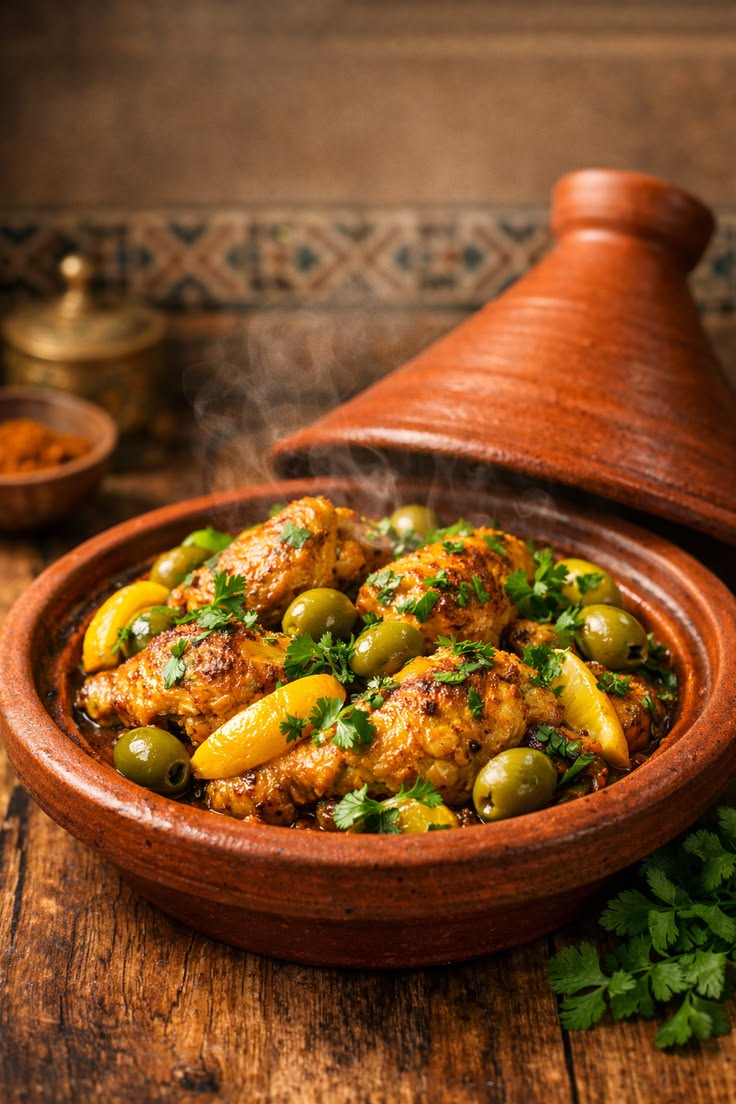
Chicken with preserved lemon and olives
This is the classic. Chicken pieces simmered with onion, garlic, ginger, saffron or turmeric, green olives, and wedges of preserved lemon. The lemon brings sharpness and depth, the olives bring salt, and the sauce begs to be mopped up with bread.
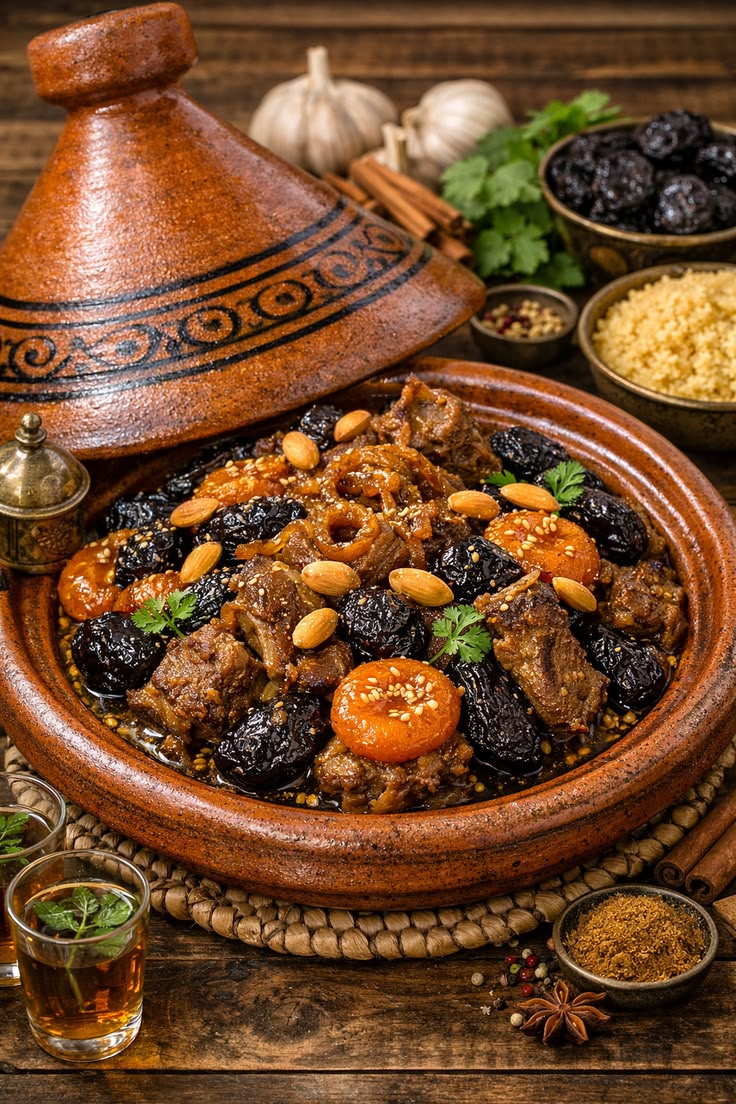
Lamb with prunes and almonds
Richer, sweeter, and more festive. Lamb is cooked until soft, then prunes, honey, and spices like cinnamon are added. Almonds, often fried or toasted, go on top. It is both savory and sweet in the same bite.
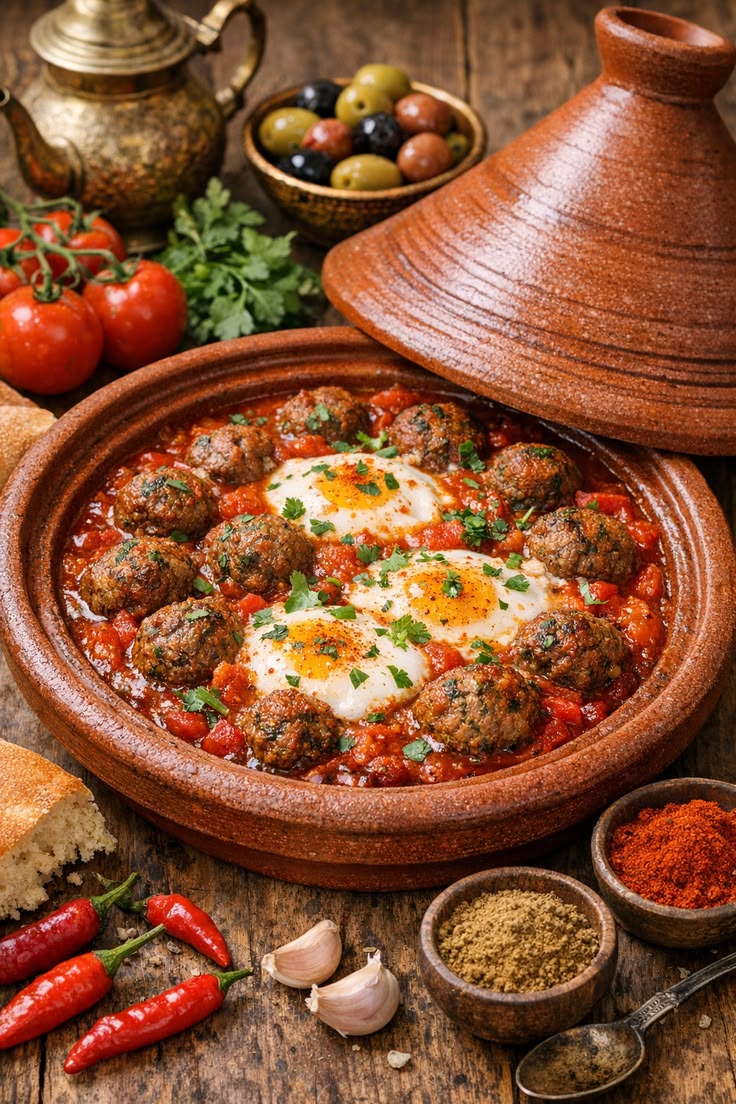
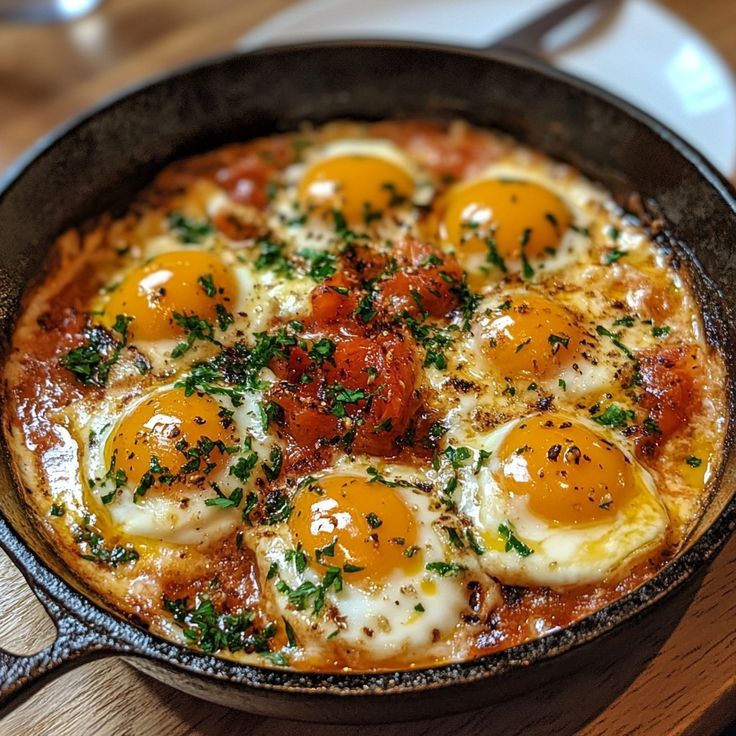
Kefta tagine with eggs
Spiced meatballs simmered in a tomato-based sauce, with eggs cracked in at the end so they gently set on top. It arrives bubbling. Break the yolk and eat it with bread straight out of the pot.
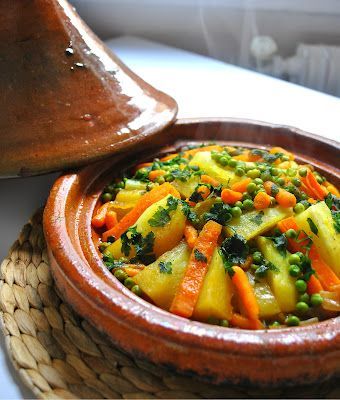
Vegetable tagine
Layers of carrots, potatoes, courgettes, tomatoes, sometimes peas or pumpkin, cooked with spices and olive oil. Simple, but comforting and full of flavor.
How to eat it:
Order one or two tagines to share, plus plenty of fresh bread. Use the bread as your utensil. Tear off pieces, scoop sauce and meat, and skip the knife and fork when you can.
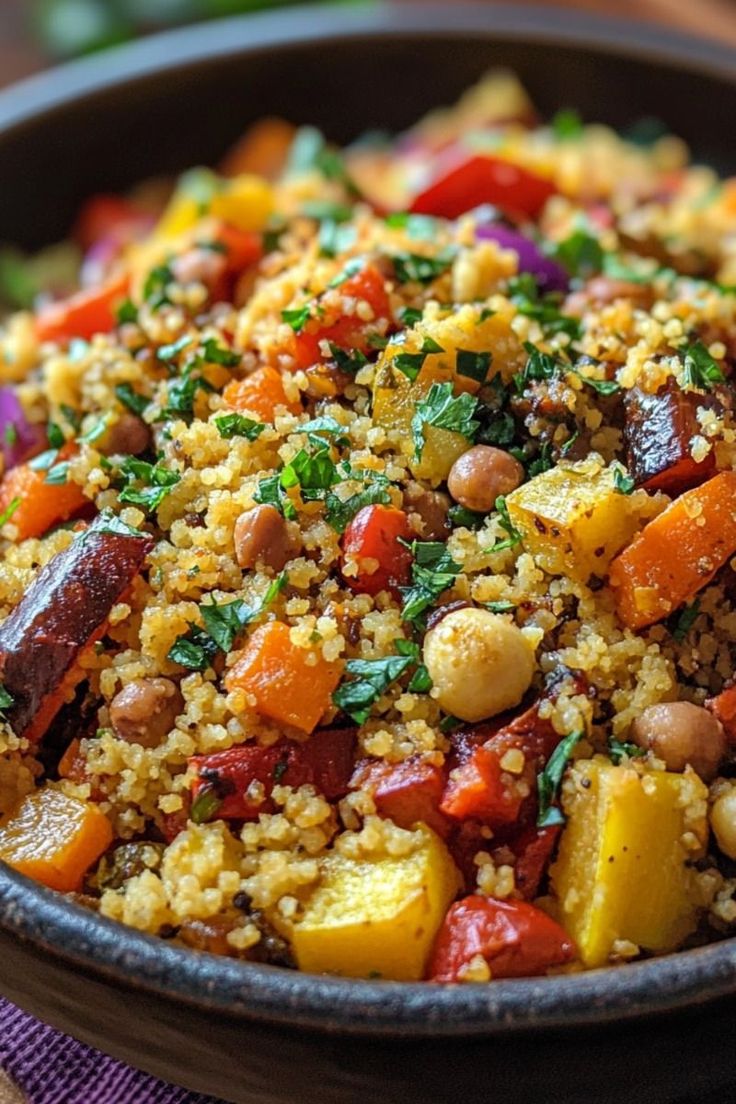
2. Couscous:
Friday’s Family Ritual
Couscous is fine semolina steamed repeatedly until light and fluffy, then topped with meat, vegetables, and broth. In Morocco, it is not just another starch. It is a social dish, strongly associated with Friday lunch, when families gather after prayers.
You will see different versions:
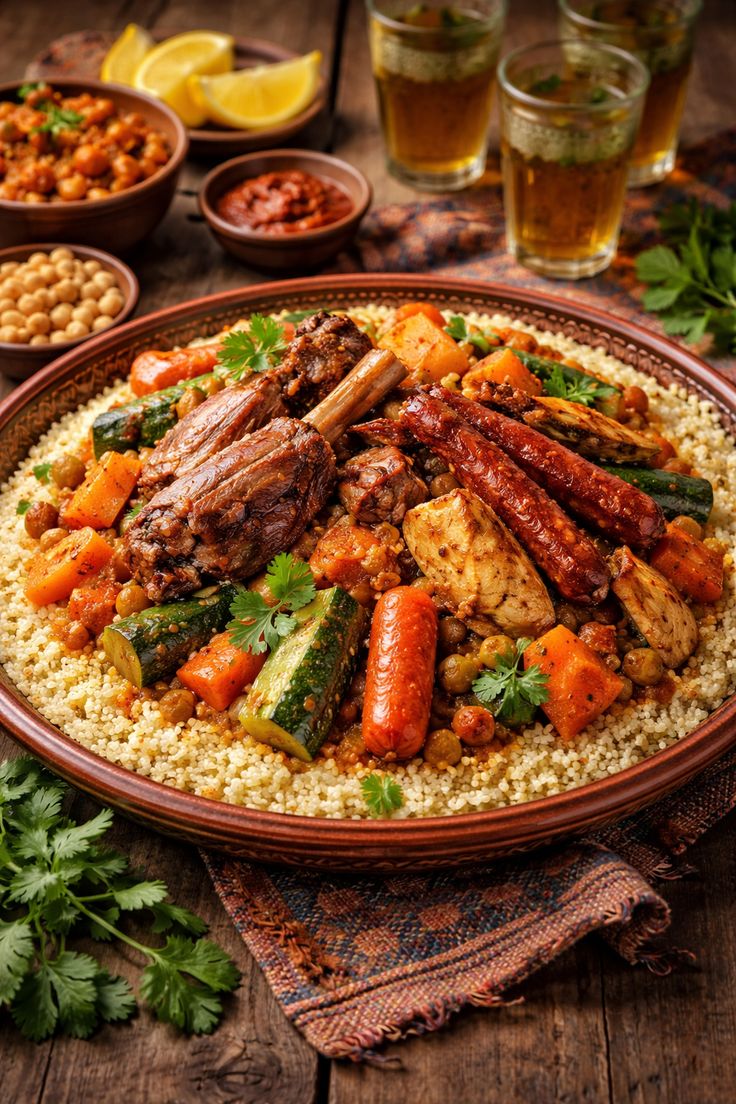
Seven-vegetable couscous
A towering plate of couscous topped with carrots, turnips, courgettes, pumpkin, cabbage, chickpeas, and often a piece of meat (chicken, lamb, or beef) in the center. A bowl of broth is usually served on the side so you can moisten each bite.
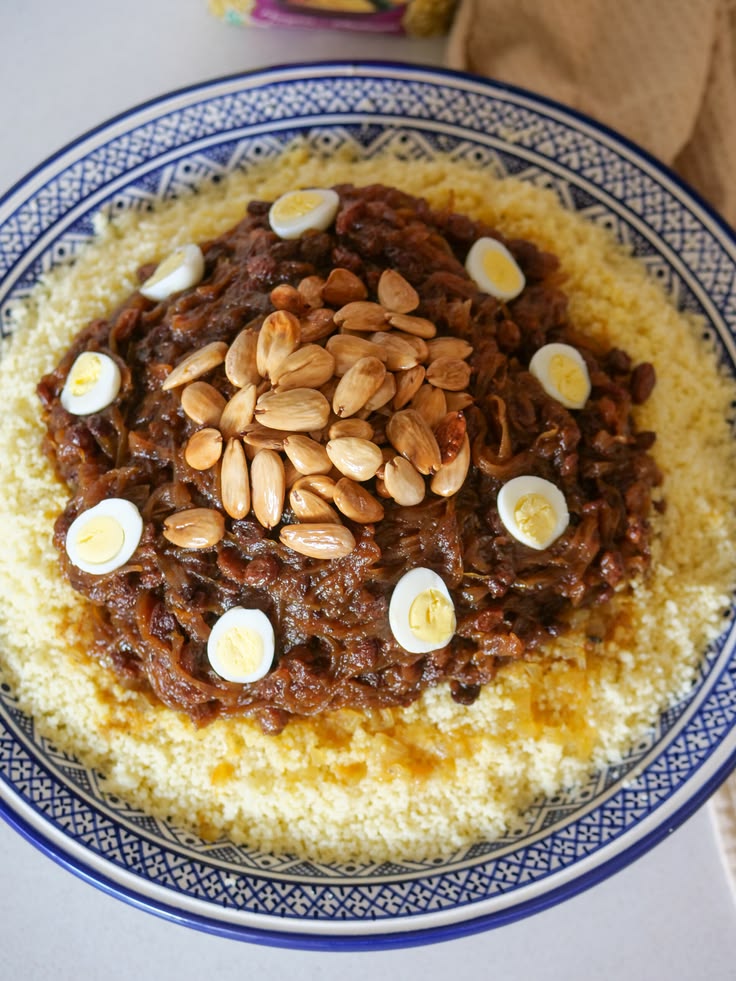
Tfaya couscous
Couscous topped with caramelized onions and raisins, often spiced with cinnamon and sometimes finished with chickpeas. Sweet, dark, and aromatic.
Couscous with meat only
Simpler, often more intense in flavor, focused on slow-cooked chunks of lamb or beef.
How to eat it:
If you can, plan a couscous meal on a Friday at a traditional restaurant or at your riad if they cook. Spoon some broth over your couscous, then mix gently from the edges. Do not stir the whole plate into a paste. Build your bites.
3. Pastilla (Bastilla):
The Sweet-Savory Showpiece
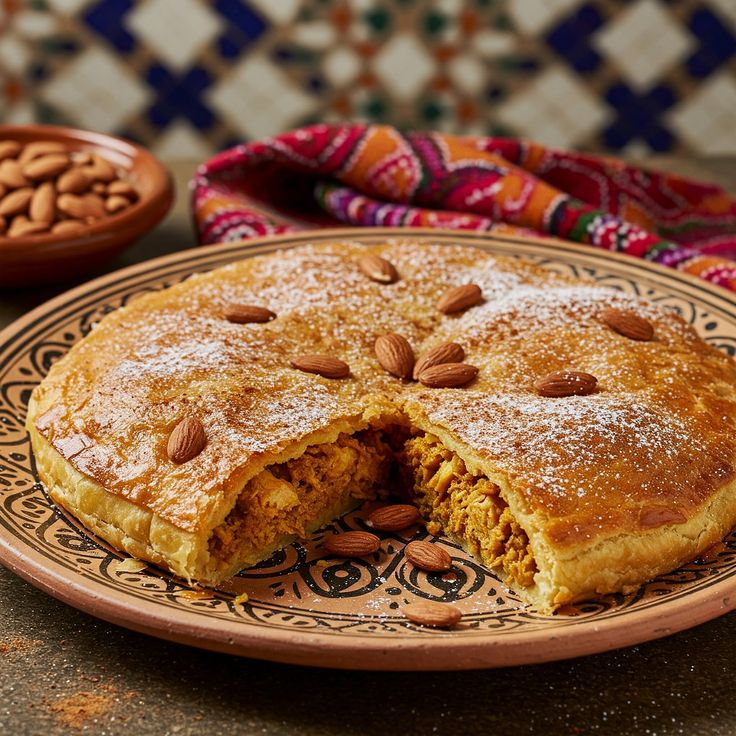
Pastilla is one of Morocco’s most striking dishes, especially if you are used to clear lines between dessert and main course.
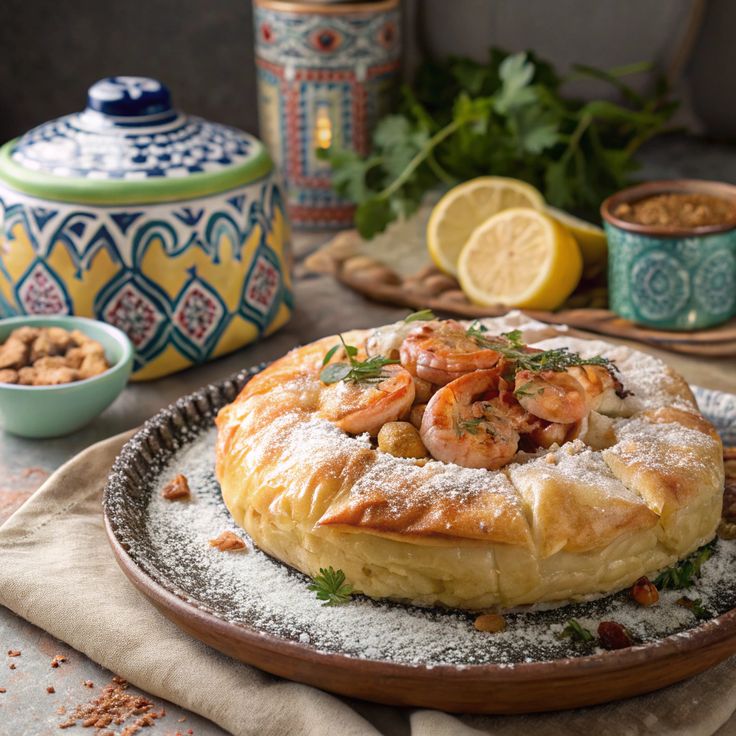
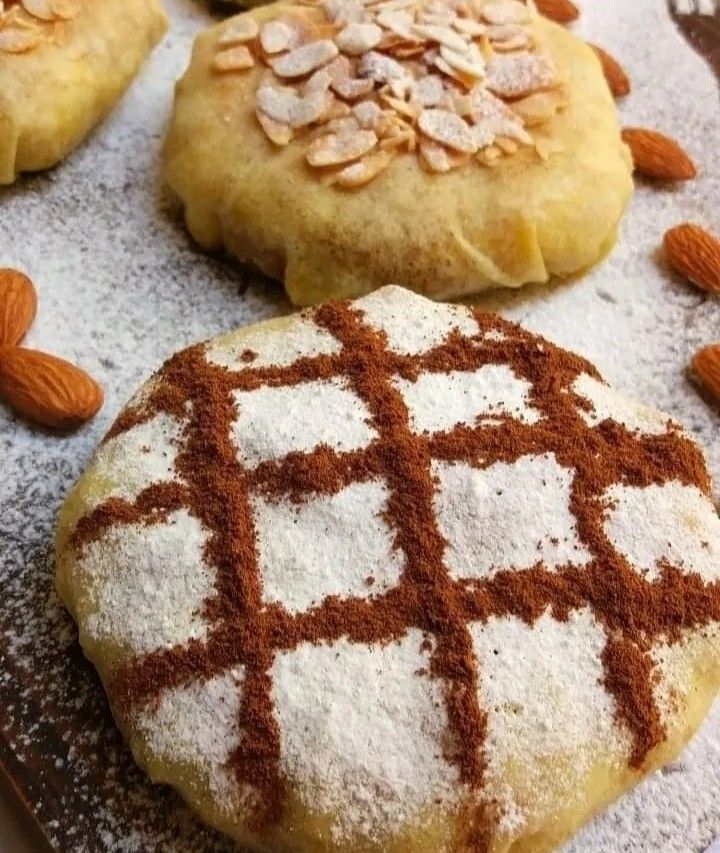
Traditionally, it is a flaky pastry pie made with layers of thin dough (warqa), filled with shredded pigeon or chicken, eggs, onions, almonds, and spiced with saffron, cinnamon, and other warm spices. After baking, it is dusted with powdered sugar and striped with ground cinnamon.
You bite through crisp pastry into a filling that is rich, slightly sweet, and savory at the same time. It sounds strange on paper. It works in practice.
Variations in Marrakech:
Chicken pastilla
The most common version, often served as a starter for special meals.
Seafood pastilla
A newer twist, with shrimp, fish, sometimes calamari, and a creamy filling, usually less sweet than the classic meat version.
Individual pastillas
Smaller, single-serving versions that are easier to share at lunch or as appetizers.
How to eat it:
Order one to share at the beginning of a meal. Pastilla can be rich. A few bites per person are often enough to understand why the dish is so loved.
Many travelers ask what to eat in Marrakech for first-time visitors, and the answer starts with tagine, couscous, and pastilla.
4. Harira: Comfort in a Bowl
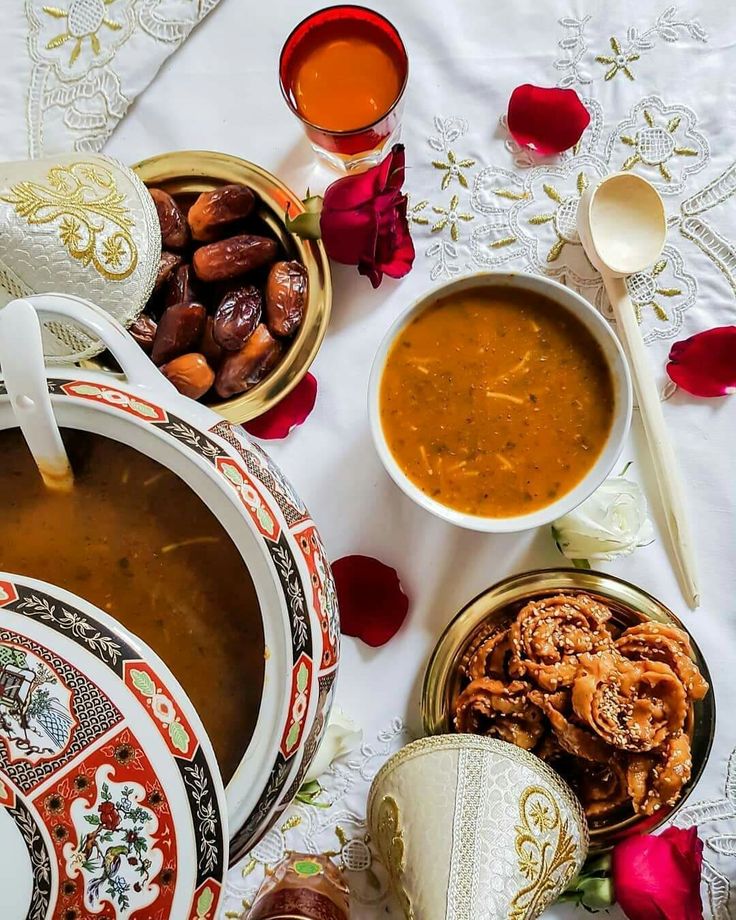
Harira is a thick, hearty soup that plays a central role in Moroccan life, particularly during Ramadan when it is used to break the daily fast. Outside that period, it is eaten as an everyday comfort food.
Typically, it includes:
- tomatoes
- lentils
- chickpeas
- onion
- celery or herbs
- small bits of meat (often lamb or beef)
- a flour and egg mixture that gives it body
- spices like ginger, turmeric, pepper, and cilantro
The result is filling, tangy, and deeply satisfying. It is not a light broth. It is closer to a meal in a bowl.
In Marrakech, harira is sometimes served with:
- dates
- hard-boiled egg
- a sweet pastry like chebakia during Ramadan
How to eat it:
Order it at humble restaurants, evening stands, or as a starter. Eat it slowly with a spoon, and pay attention to how balanced it feels. It tells you a lot about the kitchen.
5. Mechoui: Slow-Roasted Lamb, Marrakech Style
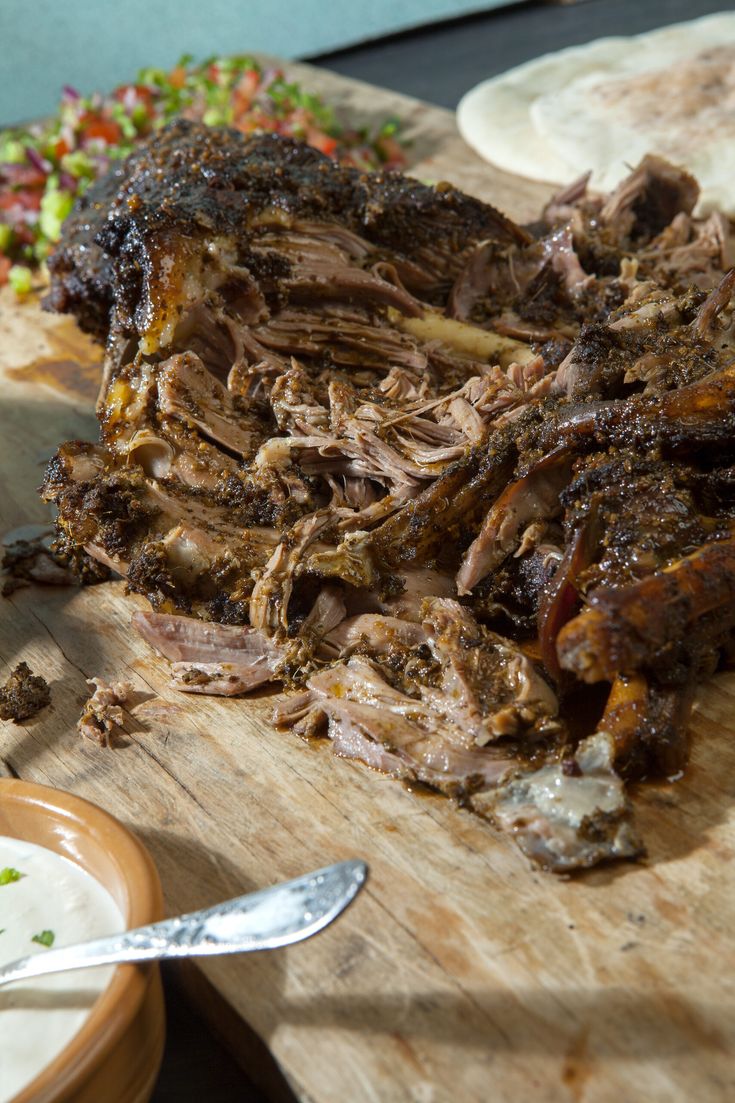
Mechoui is lamb cooked until it almost falls apart, traditionally roasted whole in a clay oven or underground pit. In Marrakech, there are specific spots that specialize in this technique, especially around certain parts of the medina.
The meat is often:
- rubbed with salt and spices
- cooked for hours at low heat
- served in chunks, sometimes with only salt and cumin on the side
It is about texture and natural flavor more than heavy sauces.
How to eat it:
Ask locals or your riad for a mechoui address, especially if you want the traditional version. You may be served simple plates of lamb, bread, and a small pile of salt and cumin. Tear off meat with your fingers, wrap it in bread, dip lightly in the seasoning, and forget about knives and forks for a moment.
6. Tangia: The Quiet Marrakech Classic
Tangia is one of the few dishes that is truly specific to Marrakech. It is often misunderstood or missed by visitors because it is less flashy than tagine, but it is deeply tied to local daily life.
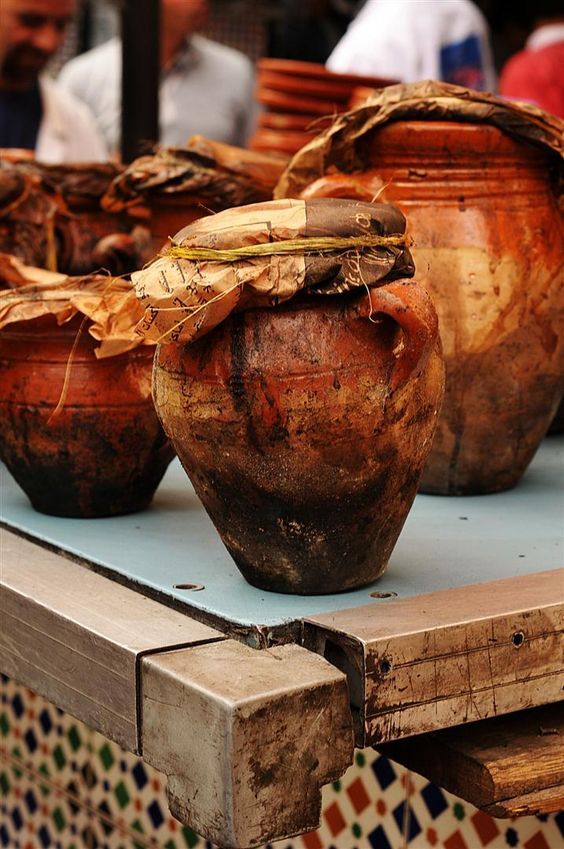
It is made by placing meat (typically beef or lamb) in a clay urn-shaped pot with:
- preserved lemons
- garlic
- olive oil
- spices like cumin and saffron
- sometimes smen, a type of preserved butter
The pot is sealed and taken to a traditional oven, historically the local hammam’s furnace, where it slowly cooks in the residual heat for many hours. The result is meltingly soft meat in a rich, fragrant sauce.
Tangia is:
- more soupy than many tagines
- associated with workers, gatherings, and simple feasts
- a dish people in Marrakech feel strongly attached to
How to eat it:
Look for places that specifically list tangia on the menu, or ask your riad to recommend somewhere. It is best shared with others, eaten with bread straight from the pot. If you care about understanding Marrakech food culture, this one is essential.
Your Morocco Adventure Start Here!
Reserve your tour, day trip, or a special activity. If you would like to customize your trip or have an idea feel free to contact us, via any platform you prefer.
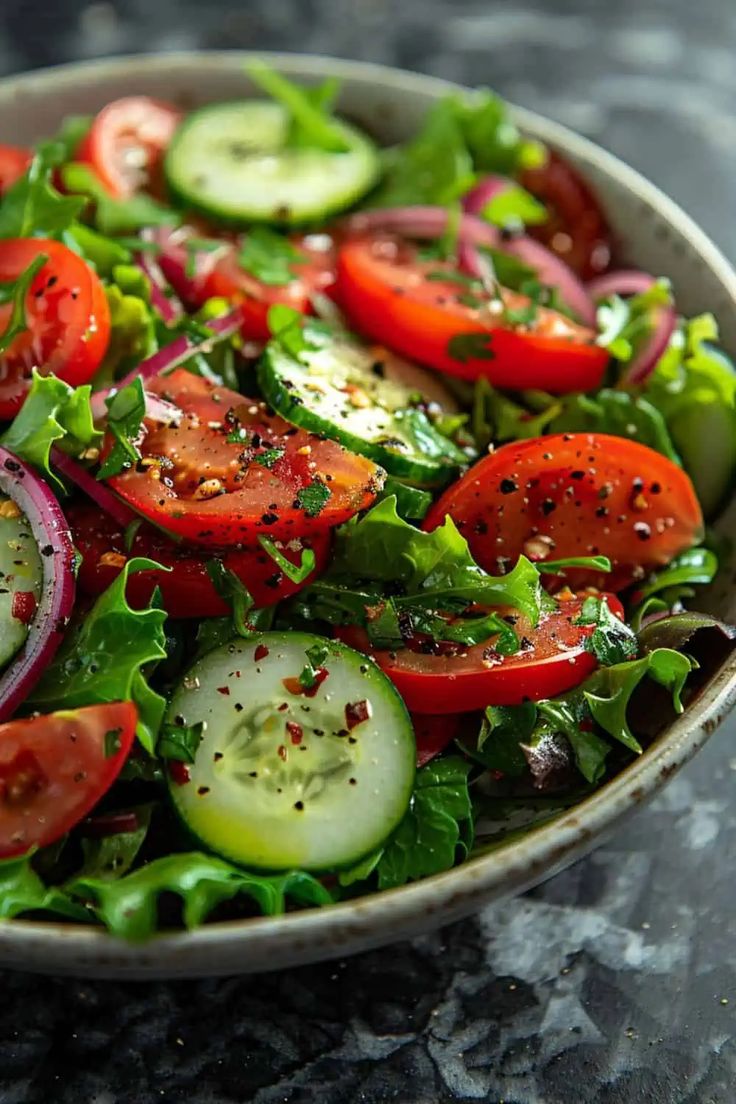
7. Moroccan Salads: More Than Just Starters
In Marrakech, “salads” do not always mean raw greens. They can be warm or cold, cooked or fresh, simple or complex. A typical table might feature several small plates, each with a different taste and texture.
Common examples:
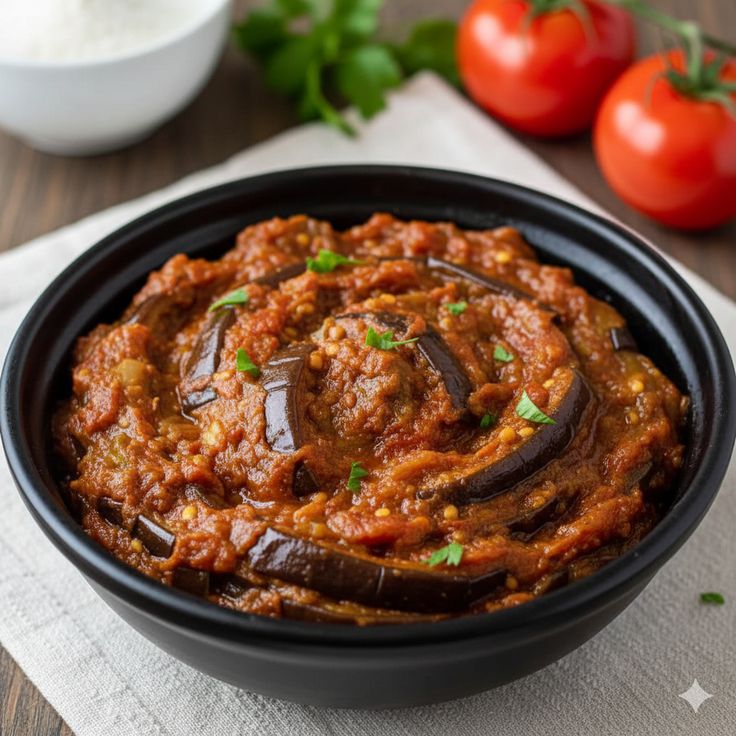
Zaalouk
Cooked eggplant and tomato salad, flavored with garlic, paprika, cumin, and olive oil. Soft, smoky, and often served warm. Many people become slightly obsessed with it.
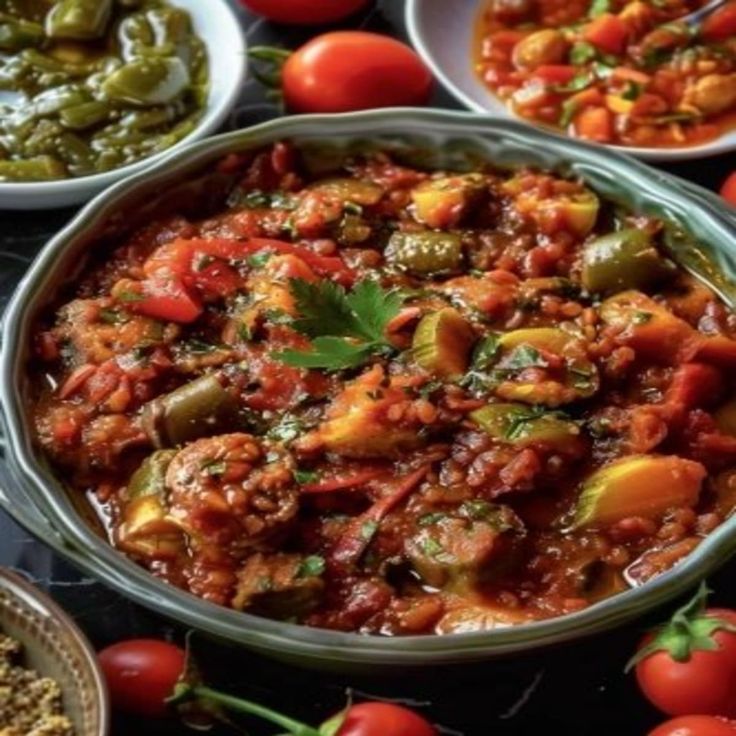
Taktouka
Cooked green pepper and tomato with garlic and spices. A bit lighter and brighter than zaalouk, but in a similar family.
Carrot salad
Carrots cooked and dressed with lemon, cumin, sometimes coriander, and a touch of sweetness.
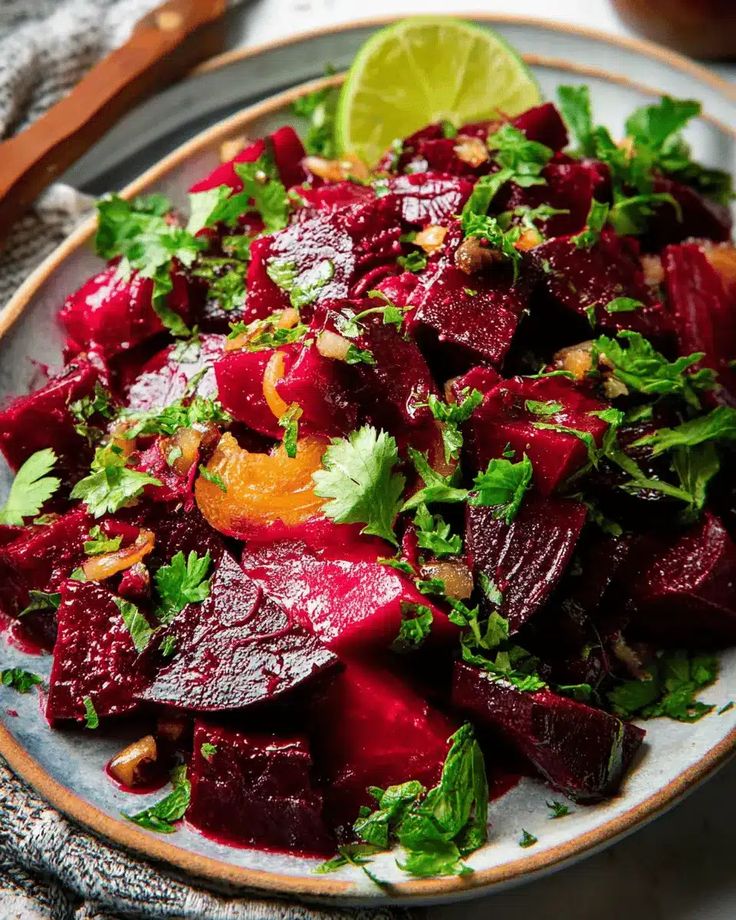
Beet salad
Diced cooked beetroot with a light dressing. Earthy and vibrant.
Fresh salad
Tomato, cucumber, onion, herbs, and dressing, sometimes with olives.
How to eat them:
Order a mix of salads to share at the beginning of a meal. Use bread to scoop, mix different flavors, and treat them as more than just sides. They are a key part of the Moroccan table.
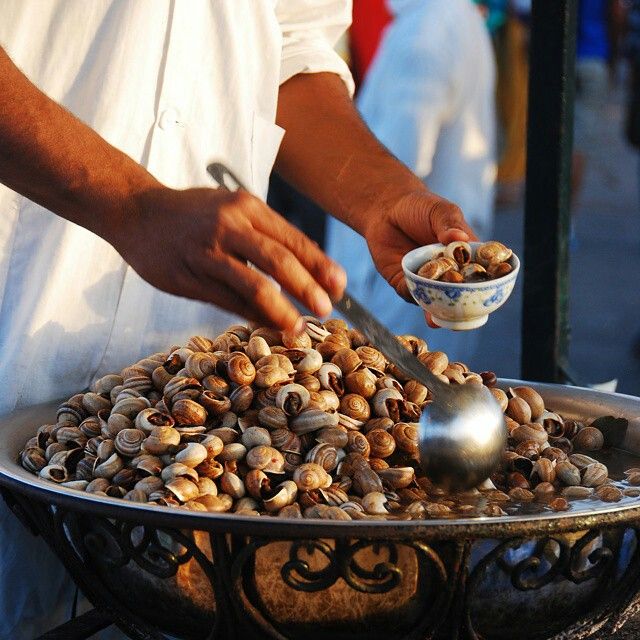
8. Street-Side Staples: Snail Soup, Brochettes, and More
Marrakech street food adds another layer to the picture. Beyond sit-down meals, you will find stalls and carts offering quick, flavorful bites.
Snail soup (babbouche)
Snails served in a spiced broth, eaten with a toothpick. The broth is often infused with anise, cumin, and herbs. People drink the broth as much as they eat the snails. It is an acquired taste, but it is a strong cultural experience.
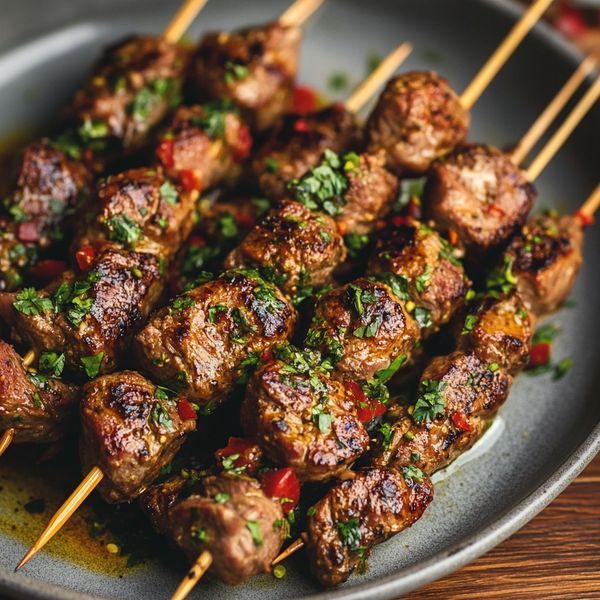
Brochettes
Skewers of meat (beef, lamb, chicken, liver) grilled over charcoal. Often served with bread, onions, and a sprinkle of cumin and salt. Simple, smoky, and satisfying.
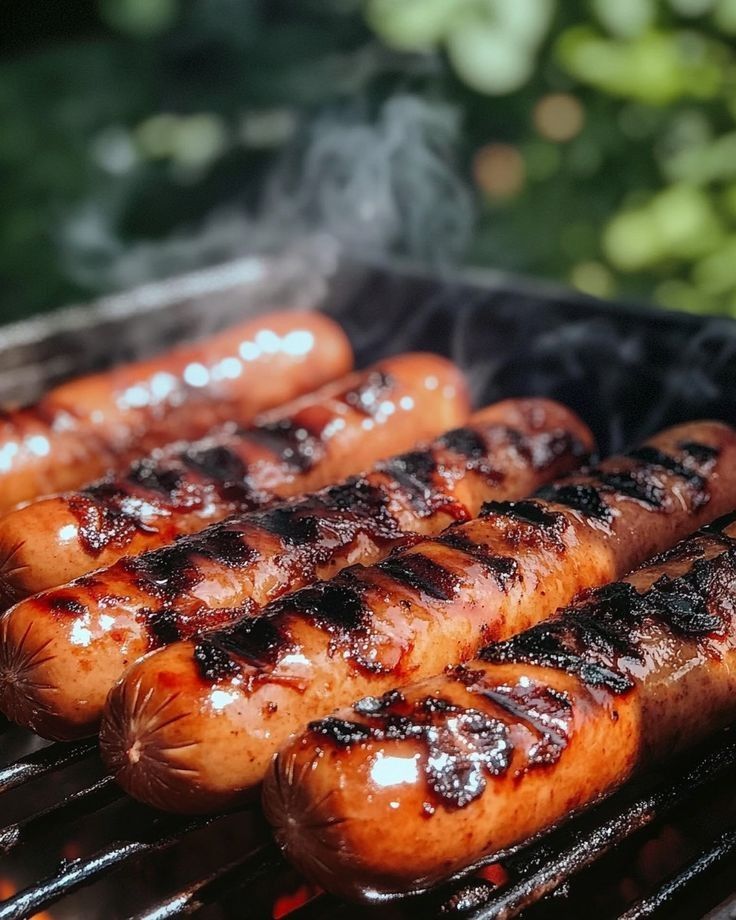
Merguez
Spicy lamb or beef sausages, grilled and served hot, often in sandwiches with bread.
Egg sandwiches and omelettes
Eggs cooked with tomato, onion, herbs, and sometimes khlea (preserved meat), stuffed into fresh bread. A cheap and filling option.
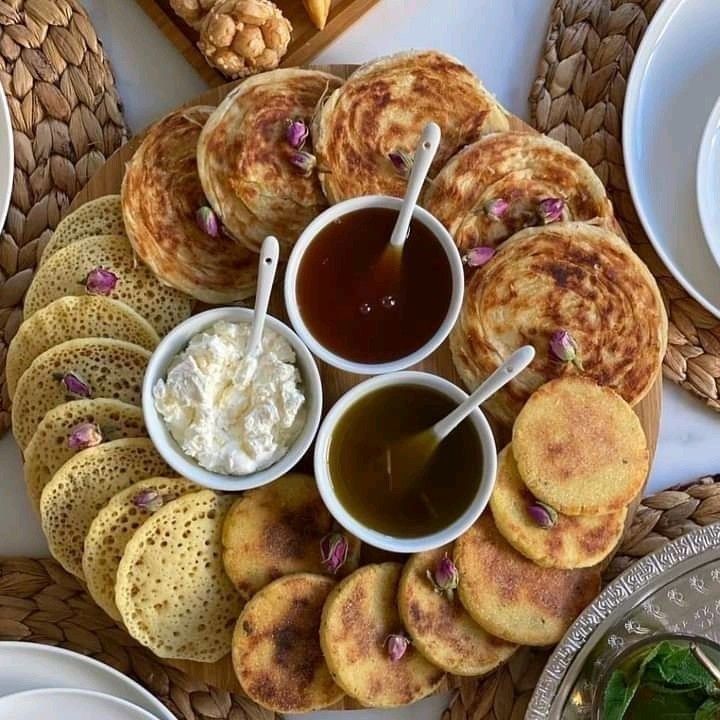
Msemen and harcha
Flatbreads and semolina breads cooked on griddles, sometimes served plain, sometimes with cheese, honey, or jam.
How to eat them:
Follow your nose and your eyes. Look for stalls busy with locals, not just tourists, especially at night near Jemaa el-Fna and in side streets. Always check hygiene as best you can, and start slow if you have a sensitive stomach.
9. Moroccan Sweets and Pastries: Honey, Almonds, and Orange Blossom
Moroccan pastries lean heavily on nuts, honey, and fragrant waters. They are usually small, served as accompaniments to tea rather than big standalone desserts.
Key sweets to look for:
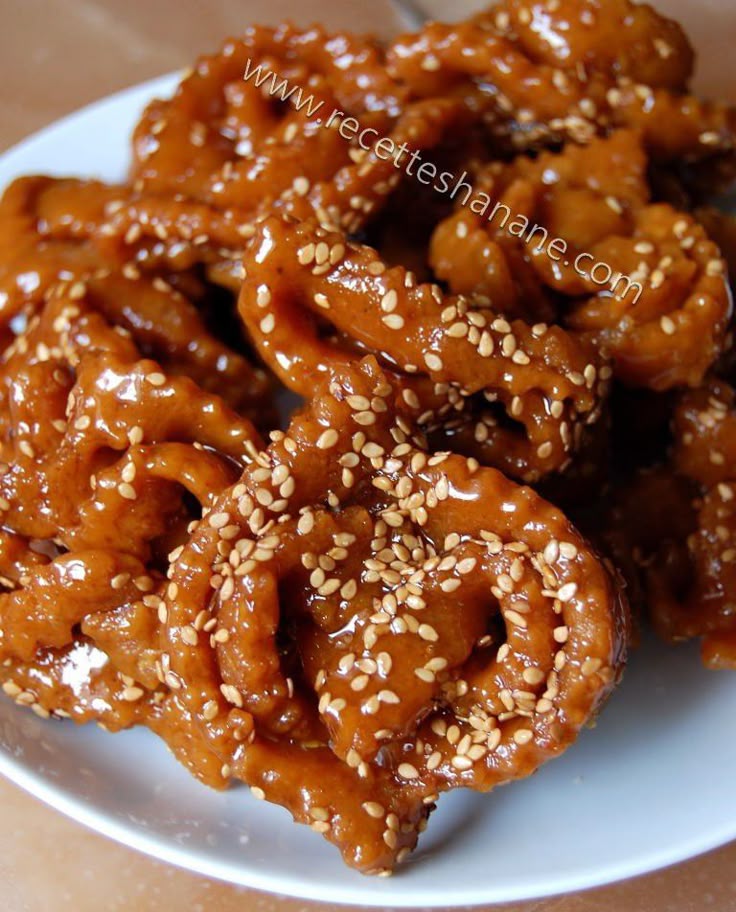
Chebakia
Flower-shaped fried dough coated in honey and sesame seeds. Sticky, crunchy, and strongly flavored with spices, often served alongside harira during Ramadan.
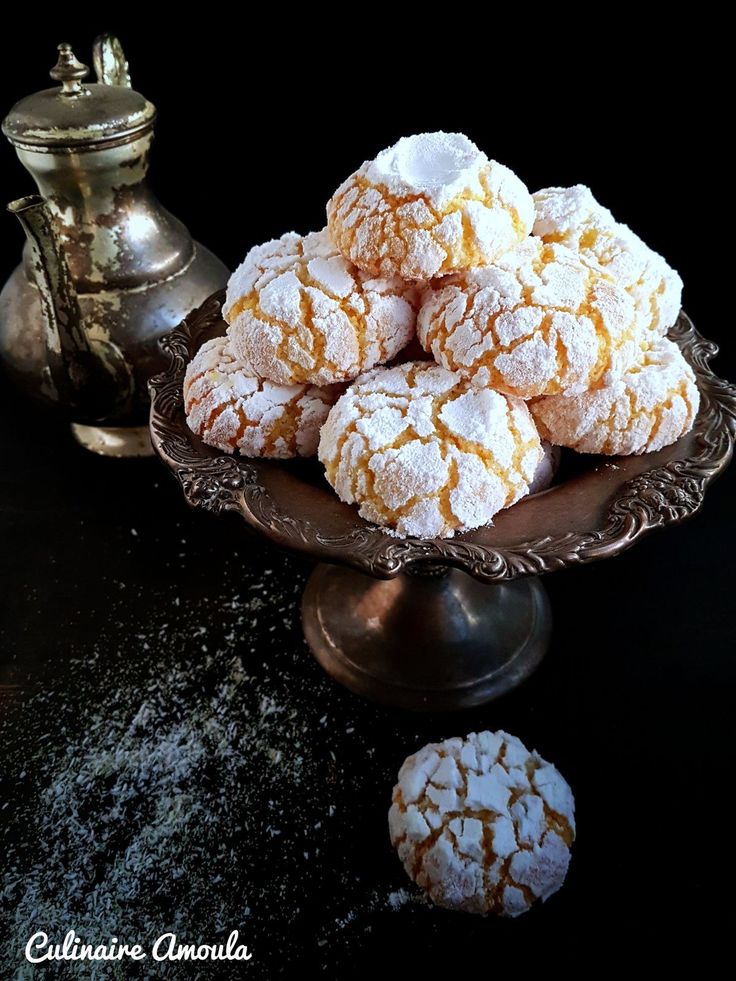
Ghriba
Short, crumbly cookies made with almond, coconut, or semolina, sometimes with a cracked top. Soft and delicate.
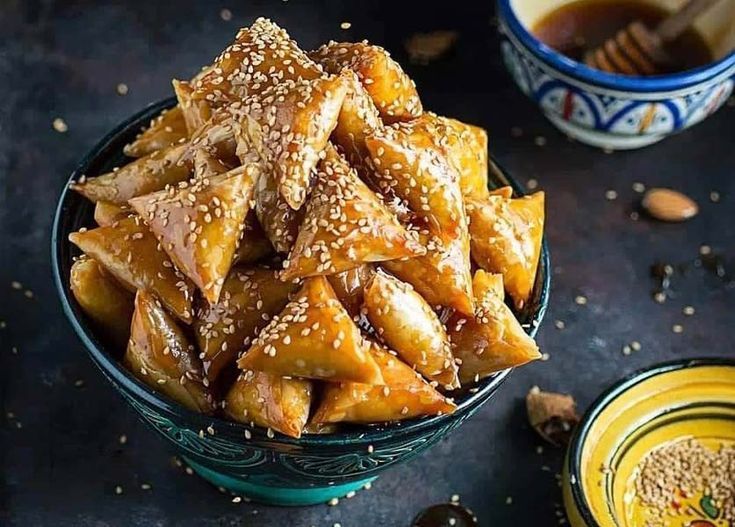
Briouat
Small pastries filled with almond paste or sometimes cheese, then fried and drizzled with honey.
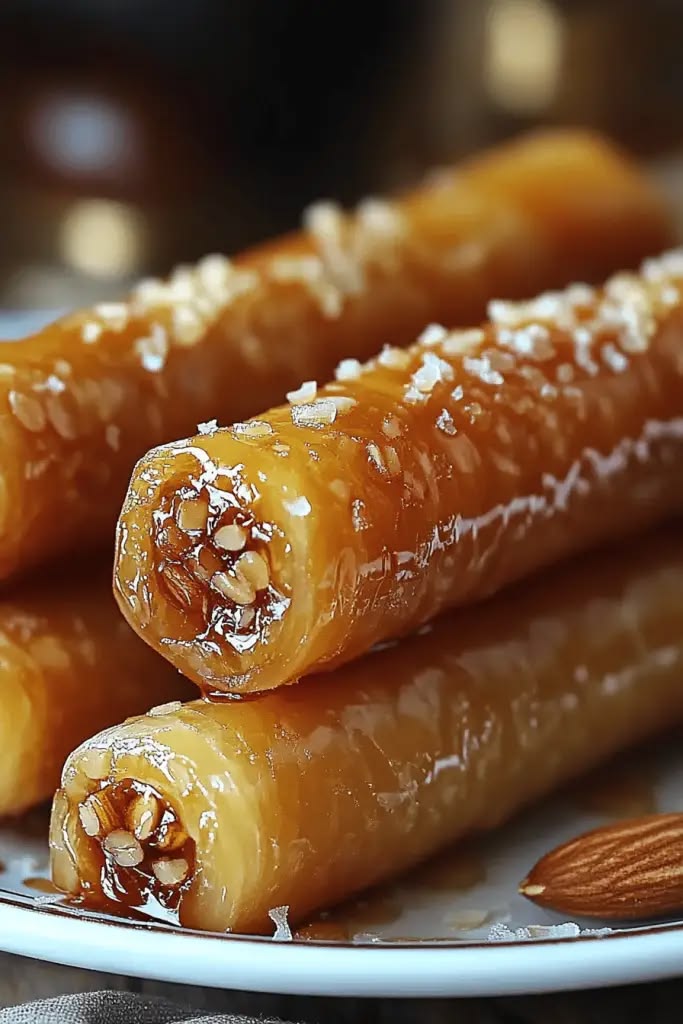
Almond cigars and other nut-based pastries
Various shapes, often using ground almonds, sugar, and orange blossom water, wrapped in thin pastry.
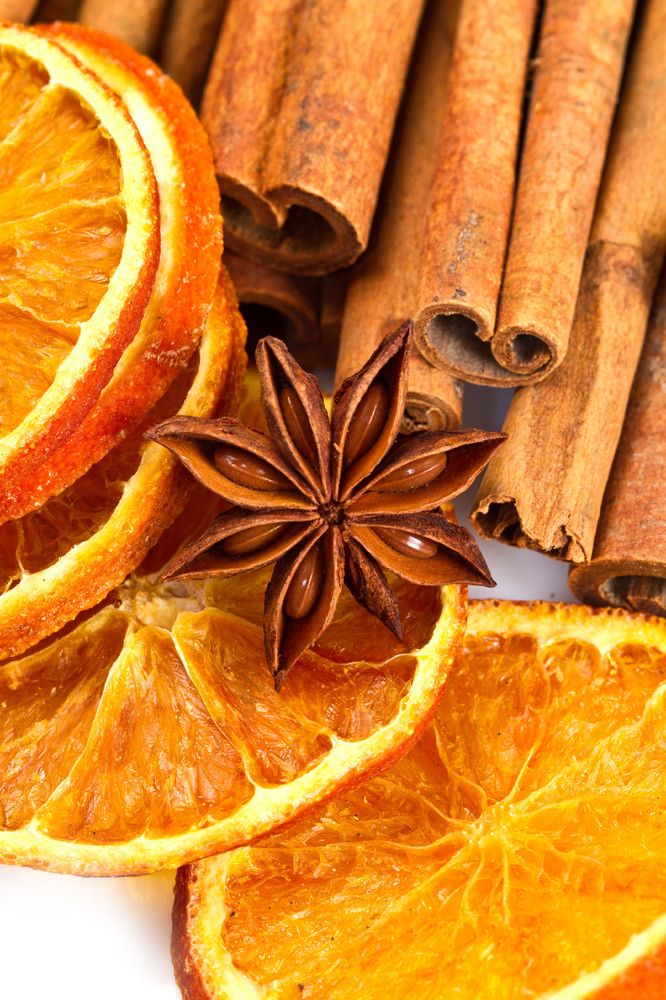
Orange slices with cinnamon
A light, simple dessert: sliced fresh orange sprinkled with ground cinnamon and sometimes a bit of orange blossom water.
How to eat them:
Pair them with mint tea, especially in the afternoon or after dinner. Do not try to eat too many at once; they are rich and sweet. A small selection lets you understand the style without overdoing it.
Refreshing Drinks
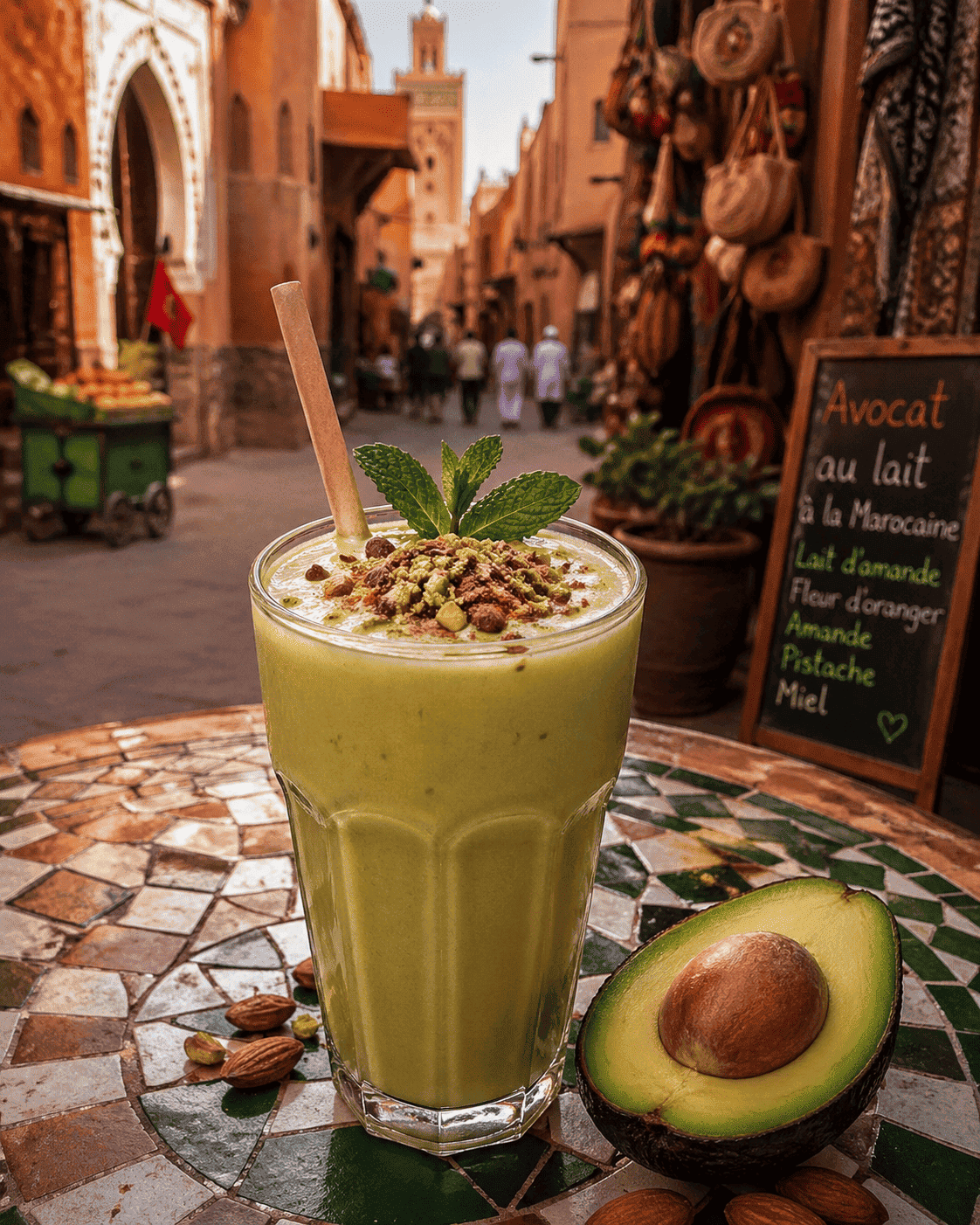
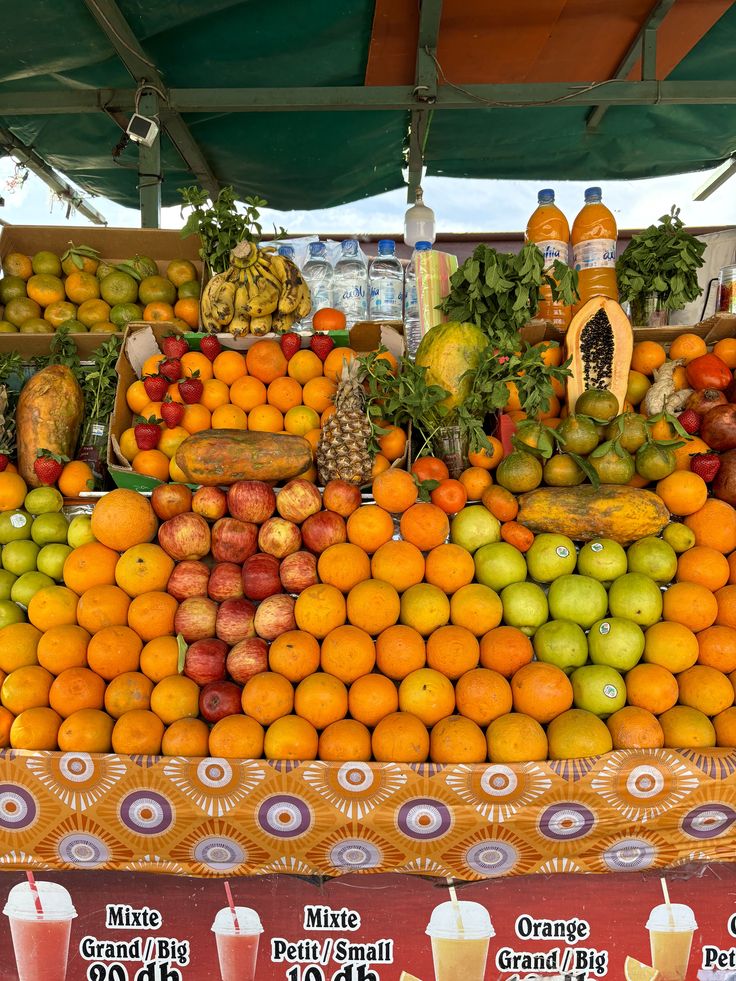
10. Fresh Orange Juice and Avocado Smoothies
Not everything in Marrakech is cooked for hours. Fresh juice culture is also strong, especially around squares and cafés.
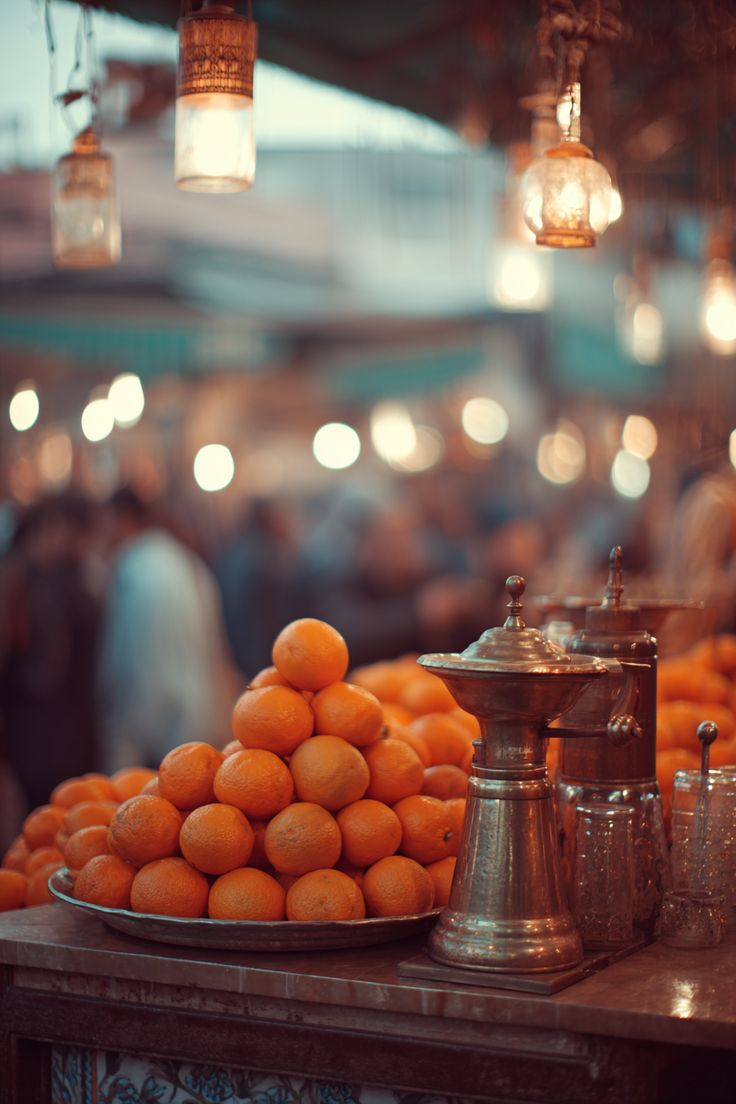
Orange juice
Moroccan oranges are excellent, and fresh orange juice is sold widely, especially around Jemaa el-Fna. It is usually squeezed to order and served without added sugar. It is one of the cheapest and most refreshing things you can drink in the city.
Avocado smoothie (avocat au lait)
A thick blend of avocado, milk, sugar, and sometimes almonds or dates. It is more like a dessert in a glass than a light drink, but many visitors end up returning to it again and again.
Other juices
Pomegranate (in season), mixed fruit, and carrot juices appear in different spots, often in simple cafés and juice bars.
How to drink them:
Use juice stands that squeeze fruit fresh in front of you. Drink slowly; in the heat, a cold glass of orange juice can feel like a complete reset.
Your Morocco Adventure Start Here!
Reserve your tour, day trip, or a special activity. If you would like to customize your trip or have an idea feel free to contact us, via any platform you prefer.
How to Eat Well in Marrakech Without Overcomplicating It
To really understand Marrakech through food, you do not need a strict checklist, but you do need a bit of intention. A few habits help:
- Mix simple and special
Eat in local spots where workers and families go, but also book one or two meals in well-reviewed restaurants or riads. You will see how the same dishes can feel completely different depending on context.
- Share dishes
Portions can be generous. Sharing lets you taste more without wasting food or overfilling yourself.
- Respect the bread
Bread is not just a side. It is the main utensil and one of the foundations of the meal. Pay attention to its texture, warmth, and how it changes the experience of each dish.
- Ask what is traditional
If you are unsure what to order, ask staff for what they feel proudest of, or what is most typical that day. You often get better meals that way than by sticking only to what you recognize on the menu.
- Watch the rhythm of the day
Lunch can be the main meal. Dinner may start later than you are used to. Snacks, tea, and late-night bites fill in the gaps.
Why This Food Matters to Your Trip
- What you eat in Marrakech shapes how you remember the city.
- A tagine is not just a stew. It is hours of slow cooking behind the scenes.
- Couscous is not just grains. It is a Friday tradition and a family centerpiece.
- Mint tea is not just a drink. It is a welcome, a pause, a bridge between people.
- Tangia is not just meat in a pot. It is a workers’ dish that grew into a civic emblem.
- Harira is not just soup. It is how many people break their fast, comfort themselves, and mark daily life.
If you pay attention to these dishes, you do not just get good meals. You get a glimpse of how Marrakech actually works: through patience in the kitchen, generosity at the table, shared plates, and a quiet belief that food is meant to be eaten slowly, together. Now you know what to eat in Marrakech for first-time visitors, from street food favorites to unforgettable traditional meals.


Send a message
Copyright © 2024 Morocco Travel Road. All Rights Reserved. Designed by webdono