
13 Survival Darija for Tourists: Must-Know Expressions Before Traveling to Marrakech
Planning a trip to Marrakech and want to connect better with locals? Learning a few words of Moroccan Arabic (Darija) will change your experience in the city.
French and some English are widely understood in Marrakech, especially in tourist areas, hotels, and many restaurants. But the language you will hear in the streets, souks, taxis, and markets is Darija. Even basic phrases can break the ice, lower tourist prices, and earn you instant goodwill.
This guide gives you practical, survival-level Darija: the expressions you are most likely to use in Marrakech, with simple explanations and tips on how to use them. Survival Darija for tourists can make everyday interactions in Marrakech easier and more enjoyable.
Note: Pronunciation is written in a way that English speakers can approximate. Do not worry about getting it perfect. Locals appreciate the effort more than the accent.
Survival Darija for Tourists in Marrakech
1. Essential Polite Words
If you only learn one group of expressions before traveling to Marrakech, make it these.
Shukran
Meaning: Thank you
Pronunciation: shoo-krahn
You will use this constantly: in restaurants, taxis, shops, riads, and markets. If someone gives you directions or helps you, “Shukran” is the basic polite response.
La, shukran
Meaning: No, thank you
Pronunciation: la shoo-krahn
Very useful in the medina and souks when you are being offered items you do not want to buy, or services you did not ask for. It is short, clear, and respectful.
Afak
Meaning: Please / excuse me
Pronunciation: ah-fak
You can use “Afak” to say “please,” to get someone’s attention, or to say “excuse me” when moving through a crowd. For example:
Afak, wahd at-taxi? – Please, one taxi?
Smah li
Meaning: Sorry / excuse me
Pronunciation: sma7 li (the “7” is a rough h sound from the throat)
Use this if you bump into someone, step on a foot in the souk, or need to excuse yourself. It is soft and polite.
La bas?
Meaning: How are you? / Are you okay?
Pronunciation: la bass
This is a very common greeting. You can respond with:
Labas, hamdullah – I am fine, thanks to God
These are the foundation of survival Darija for tourists visiting Morocco.
2. Basic Greetings in Darija
Greetings matter a lot in Moroccan culture. Even small interactions often start with a short exchange of “hello” and “how are you.”
Salam / Salam alaykum
Meaning: Hello / peace be upon you
Pronunciation: sah-lam / sa-lam ah-lay-koom
“Salam” is informal hello. “Salam alaykum” is the full greeting; you will hear it everywhere. If someone says “Salam alaykum” to you, answer with:
Wa alaykum salam – And peace be upon you
Sbahl khir
Meaning: Good morning
Pronunciation: sba7 l-kheer
Use it before midday in shops, cafés, and riads.
– 7 = that throaty h sound again.
Msa l-khir
Meaning: Good evening
Pronunciation: msa l-kheer
Useful late afternoon and evening.
Bslama
Meaning: Goodbye / bye
Pronunciation: b-sla-ma
Say it when leaving a shop, riad, taxi, or after finishing a conversation.
Greetings are an essential part of survival Darija for tourists in Marrakech.
3. Introducing Yourself
Even a simple introduction in Darija can change the tone of an interaction.
Shnu smitk?
Meaning: What is your name?
Pronunciation: shnoo smit-ək
Smiyti …
Meaning: My name is …
Pronunciation: smee-tee …
For example:
Smiyti Adam. – My name is Adam.
Mnin nta? (to a man) / Mnin nti? (to a woman)
Meaning: Where are you from?
Pronunciation: mneen nta / mneen ntee
Ana mn …
Meaning: I am from …
Pronunciation: ana men …
Example:
Ana mn Ingiltèra – I am from England
Ana mn Amrika – I am from America
Ana mn Fransa – I am from France
Plan Your Morocco Road Journey!
Long-distance driving in Morocco becomes safer and more enjoyable when planned according to seasonal conditions. Understanding the best time of year for long-distance road travel helps drivers avoid extreme heat, mountain hazards, and heavy traffic.
Select the right season, prepare your vehicle, and explore Morocco’s diverse landscapes with confidence!
4. Yes, No, And Other Simple Answers
These tiny words help you handle quick questions all day long.
Ah / Iyyeh
Meaning: Yes
Pronunciation: ah / ee-yeh
Both are used; “ah” is easier.
La
Meaning: No
Pronunciation: la
Mashi
Meaning: Not / no / that is not it
Pronunciation: ma-shee
You will hear it in combinations like:
Mashi hna – Not here
Mashi ghali – Not expensive
Mumkin?
Meaning: Is it possible? / Can I?
Pronunciation: mom-keen
Example:
Mumkin taxi? – Can I get a taxi?
Mumkin tsawer? – Is it possible to take photos?
5. Numbers You Will Actually Use
You do not need to memorize all numbers in Darija for a short trip, but a few basics are extremely useful in taxis, souks, and cafés.
1 – wahd (wa7d)
2 – juj (jooj)
3 – tlata (tlah-tah)
4 – rb3a (r-bah-a, with slight “3” throat sound)
5 – khmsa (khəm-sa)
10 – 3ashra (aash-ra)
For money, you mainly need tens and hundreds:
10 – 3ashra
20 – 3shrīn (aash-reen)
30 – tlātīn
40 – rb3īn (rba-een)
50 – khamsīn
100 – mia (mee-ya)
Typical things you might say or hear:
Shhal?
Meaning: How much?
Pronunciation: sh7al
The seller might reply:
3ashrin dirham – 20 dirhams
Mia u 3ashrin – 120 (100 + 20)
Even if you answer in English (“too much!”) or show the amount on your phone calculator, recognizing the basics helps you follow what is happening.
6. Shopping and Bargaining in the Souks
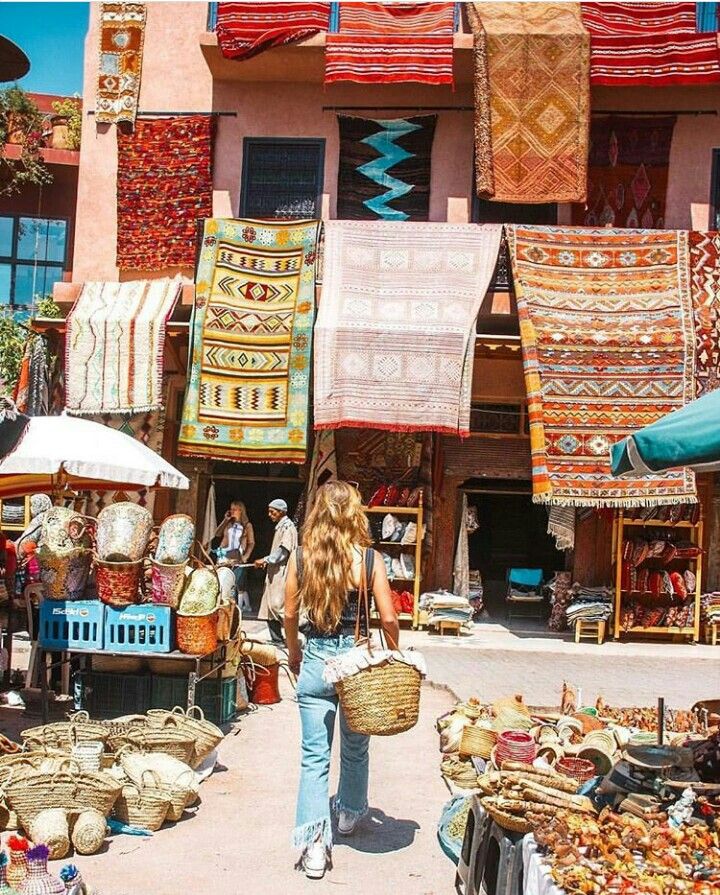
The souks in Marrakech are where Darija becomes most useful. A few expressions can lower tension and show respect.
Shhal hadha / hadhi?
Meaning: How much is this? (masc. / fem.)
Pronunciation: sh7al ha-da / ha-dee
Ghali bzaaf
Meaning: Too expensive
Pronunciation: gha-lee b-zaf
Nqes shwiya
Meaning: Lower it a bit / make it cheaper
Pronunciation: nqes shwee-ya
Aatini thaman mzyan
Meaning: Give me a good price
Pronunciation: a-tee-nee thaman mz-yan
Ma bghitsh
Meaning: I do not want (it)
Pronunciation: ma b-ree-tsh
Use this when you are not interested. It is clear but not rude.
Fakrni shwiya
Meaning: Think of me a bit (give me a kind price)
Pronunciation: fakər-nee shwee-ya
This is a friendly way to say, “Be nice with the price.”
In the end, you can still close with:
Yalla, nikhdu – Okay, we take it.
Or walk away with a smile and:
La, shukran – No, thank you.
Knowing these phrases is key to survival Darija for tourists in the souks.
7. Getting Around: Taxis, Directions, And Streets
Marrakech is a city built for walking, but you will still use taxis and ask for directions.
Fin …?
Meaning: Where is …?
Pronunciation: feen
Examples:
Fin Jemaa el-Fnaa? – Where is Jemaa el-Fnaa?
Fin taxi? – Where is the taxi?
Nssni l … afak
Meaning: Drop me at … please
Pronunciation: nss-nee l … afak
Useful in taxis:
Nssni l-Jemaa el-Fnaa, afak – Drop me at Jemaa el-Fnaa, please.
3ndk compteur?
Meaning: Do you have the meter on?
Pronunciation: 3ndək kom-toor
Most petit taxis in Marrakech have meters, but many drivers prefer to quote a flat price. Asking about the meter in simple Darija shows you know the system.
Sir shwiya bshwiya
Meaning: Go a bit slowly
Pronunciation: seer shwee-ya b-shwee-ya
Useful if you feel the driver is going too fast. Tone matters: say it calmly, with a smile.
Ana daye3 shwiya
Meaning: I am a bit lost
Pronunciation: ana da-ya3 shwee-ya
Locals understand immediately and often try to help.
8. Eating Out: Cafés, Restaurants, And Street Food
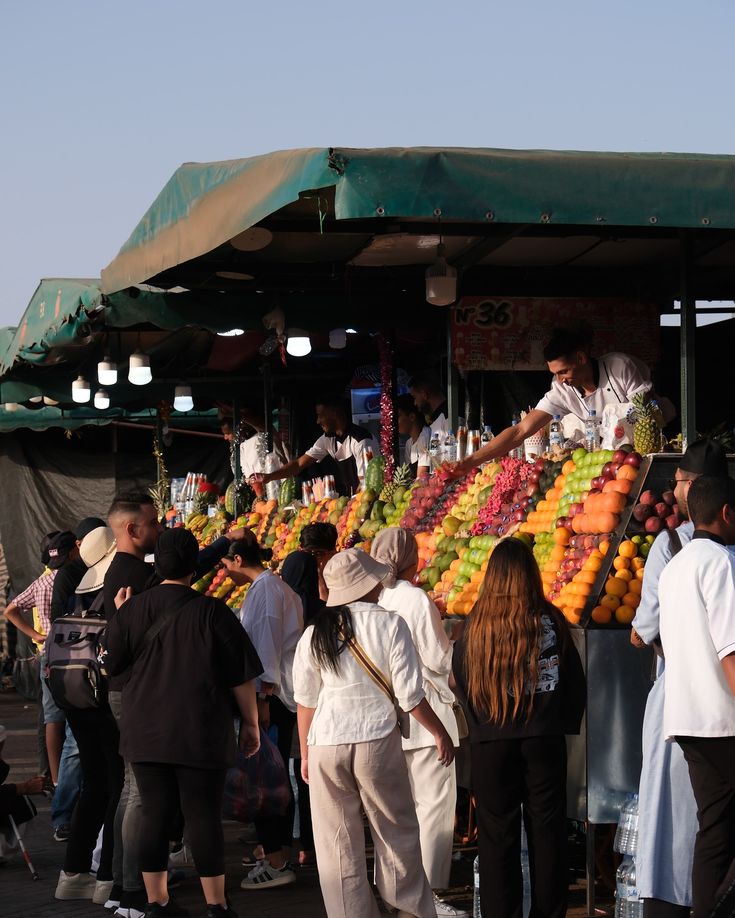
Food is a big part of Marrakech. Basic Darija phrases can make your meals smoother and more fun.
Menu, afak
Meaning: Menu, please
Pronunciation: men-yoo, afak
Maakul halal?
Meaning: Is the food halal?
Pronunciation: ma-a-kool ha-lal
In Morocco, almost all local food is halal, but some visitors still like to ask.
Bghit …
Meaning: I want … / I would like …
Pronunciation: b-gheet
Examples:
Bghit tajine djaj – I want chicken tagine
Bghit atay b-na3na3 – I want mint tea
Ma bghitsh l7ar
Meaning: I do not want it spicy
Pronunciation: ma b-ree-tsh l-harr
“L7ar” means heat from chili, not spices in general.
Bla sukkar, afak
Meaning: Without sugar, please
Pronunciation: bla sukkar, afak
Important if you prefer less sugar in tea or juice.
Hseb, afak
Meaning: The bill, please
Pronunciation: hseb, afak
Or you might hear:
L-addition – many people use the French term as well.
9. At Your Riad or Hotel
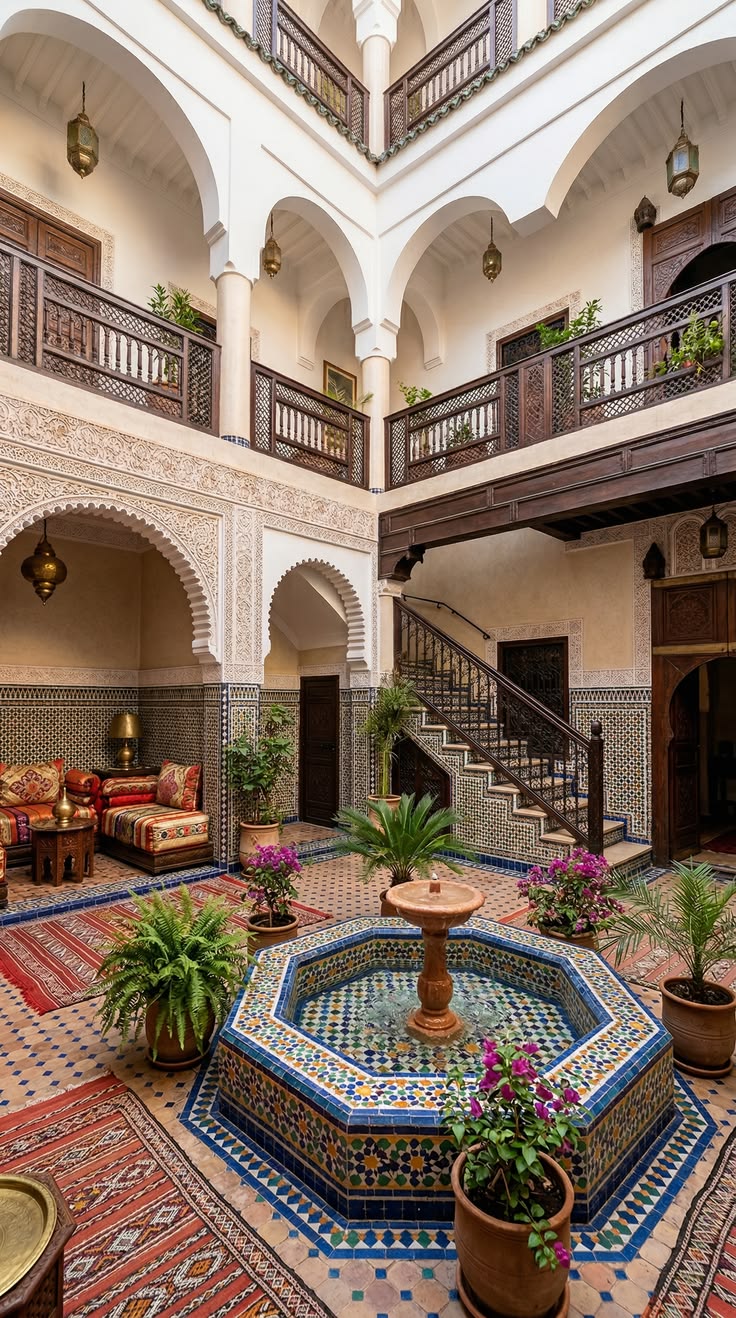
Staff in riads and hotels in Marrakech usually speak French and often English, but dropping little Darija words creates an instant connection.
Kullshi mzyan
Meaning: Everything is good / alright
Pronunciation: kool-shee mz-yan
Great to say at breakfast or when asked how your stay is.
Khasni …
Meaning: I need …
Pronunciation: khas-nee
Examples:
Khasni taxi – I need a taxi
Khasni ma – I need water
Khasni futa – I need a towel
Fin l-hammam?
Meaning: Where is the hammam?
Pronunciation: feen l-ham-mam
Useful if your riad has a hammam or if you want them to guide you to a nearby one.
10. Staying Polite and Friendly
Moroccans in Marrakech generally appreciate politeness and simple warm phrases. A few you will hear often:
Hamdullah
Meaning: Thanks to God
Pronunciation: ham-doo-lellah
Often used after “How are you?” or when speaking about health, safety, or good fortune.
Inshallah
Meaning: God willing
Pronunciation: in-sha-llah
Used when talking about the future:
Ghadi nji gheda, inshallah – I will come tomorrow, God willing.
Baraka Allahu fik / Barak llah fik
Meaning: God bless you / thank you kindly
Pronunciation: ba-ra-ka llah fik
A deeper, more heartfelt version of “thank you.” Use if someone helps you a lot.
Saha
Meaning: To your health / enjoy (your food or drink)
Pronunciation: sa-ha
If someone says “Saha” while you are eating or drinking, you can answer:
Allah y3tik saha – May God give you health.
11. Handling Typical Street Interactions
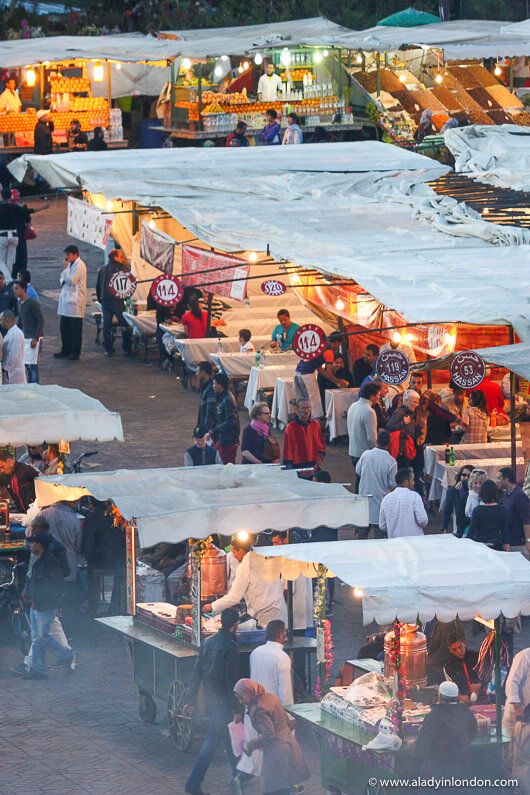
In Marrakech, especially around Jemaa el-Fnaa and the medina, people will talk to you a lot. These quick expressions can help you respond with confidence.
Ana saeh / Ana sa7a
Meaning: I am a tourist
Pronunciation: ana sa-eh (men) / sa-ha (women; but most just say “saeh”)
This signals you are not local, but that is obvious anyway. Tone it with a smile.
Mashi lyoum
Meaning: Not today
Pronunciation: ma-shee lyoom
Useful for street vendors, henna ladies, or tour offers you are not ready to accept.
3ndi
Meaning: I already have (one)
Pronunciation: andi
You can show your bag or scarf and say “3ndi” as a soft way to refuse.
Khlli-ni, afak
Meaning: Leave me (alone), please
Pronunciation: khlli-nee, afak
Use only when someone is very persistent. It is still polite, but more direct.
12. Darija vs. French vs. English in Marrakech
In Marrakech, you will hear a mix of:
– Darija (Moroccan Arabic)
– Tamazight (Amazigh / Berber languages)
– French
– Some English, especially around tourist zones
Basic rule of thumb:
– In souks, taxis, local cafés: Darija + some French
– In mid-range and high-end restaurants, riads, hotels: French + English
– With younger people and guides: often French + English + Darija
Starting in Darija with a small “Salam, labas?” and “Shukran” sets a friendly tone. If the conversation becomes complex, you can switch to English or French and see what works best.
This list summarizes the most useful survival Darija for tourists to remember.
13. Quick Survival Phrases to Memorize Before You Land
If you have limited time, focus on this short list:
Salam – Hello
Shukran – Thank you
La, shukran – No, thank you
Afak – Please / excuse me
Smah li – Sorry
Labas? – Are you well?
Labas, hamdullah – I am fine, thanks to God
Bslama – Goodbye
Shhal? – How much?
Ghali bzaaf – Too expensive
Mumkin taxi? – Is a taxi possible?
Hseb, afak – The bill, please
Bghit … – I want …
La bghitsh – I do not want (it)
Even just these will make a big difference in Marrakech.
Why Survival Darija for Tourists Matters in Marrakech
Survival Darija for tourists is one of the easiest ways to connect with locals in Marrakech.
You can visit Marrakech without speaking a word of Darija and survive perfectly well. But learning even a few expressions has real benefits:
You come across as respectful, not just transactional.
You soften bargaining in the souks.
You reduce tension in street encounters.
You turn quick exchanges into small, positive interactions.
You feel less like you are only passing through and more like you are participating.
Most importantly, Moroccans notice the effort. They often respond with more patience, more kindness, and sometimes even with help in English or French when they see you try.
Take these phrases with you, practice them a little on the plane, and use them as soon as you arrive. The city will feel friendlier, and Marrakech will open up in a way that guidebooks and apps alone cannot offer.